博客

  • AI代理支付轨进入机构化时刻:x402基金会成立,本周三道基础设施信号

    AI代理支付轨进入机构化时刻:x402基金会成立,本周三道基础设施信号

    AI代理支付轨进入机构化时刻:x402基金会成立,本周三道基础设施信号

    本周AI×区块链的叙事从”概念验证”切换到”标准机构化”:x402基金会成立、币安Agent OS上线、矿工AI转型再加速,而AI基础设施本身正成为黑客集中攻击的目标。

    x402 30天交易量
    7540万笔
    $2424万 交易额

    CDP累计 x402 支付
    1亿笔+
    Base/Solana

    上市矿企 AI 合同总额
    $700亿+
    Hashrate Index

    比特币网络哈希率
    940EH/s
    Q3环比 -6.3%

    9月2日,Ripple、Coinbase、Circle 以创始成员身份加入由 Linux 基金会背书的 x402 基金会,为 AI 代理支付制定开放标准。这是 AI×区块链融合赛道本周最重要的事件:三家分别代表公链(Ripple/RLUSD)、交易所与托管(Coinbase)、稳定币发行(Circle/USDC)的不同基础设施环节,共同押注机器与机器之间的可互操作结算轨。

    几乎同一时间,币安上线 Agent OS,让 AI 代理直接读取行情并提交现货、合约、转换市场的订单;MoonPay 把 PayBox 扩展到了 xAI 的 Grok 上,这是继 ChatGPT、Claude 之后的第三次部署。三条信号指向同一个事实:AI 代理支付轨正从单一公司实验走向行业标准与规模化落地。

    一、本周概览

    本周(8月31日-9月5日)AI×区块链赛道的主要事件:

    一是 x402 基金会成立,Ripple、Coinbase、Circle 成为创始成员,Linux 基金会背书,目标是建立跨链、多资产的 AI 代理支付开放标准。二是币安上线 Agent OS,AI 代理可执行现货/合约/转换市场交易,配套子账户隔离与资金上限控制。三是 MoonPay 的 PayBox 扩展至 Grok,覆盖 Solana 与多条 EVM 链,支持 x402 标准。四是美国众议院金融服务委员会听证,Circle 总裁 Heath Tarbert 称 AI 代理”不睡觉、不休息、需要全天候可编程支付轨”,强调 GENIUS 法案与 agentic identity 的重要性。五是 Bitget 上线 AI Smart Grid,自动选币、配置网格参数并每 4 小时重估市场。六是 Hyperscale Data 关闭密歇根矿场,将 20MW 算力转为 AI 托管合同,价值约 12 亿美元。

    二、本周 TOP 3 事件

    1
    x402 基金会成立,代理支付轨进入机构标准化Ripple、Coinbase、Circle 三家巨头联合加入 Linux 基金会背书的 x402 基金会,打破此前单一公司主导的格局。x402 过去 30 天已处理 7540 万笔交易、约 2424 万美元交易额,CDP 累计结算超 1 亿笔。从”协议实验”到”行业标准”的跨越,意味着稳定币与结算层将在未来 12-24 个月迎来更大的可寻址市场,USDC、XRP 都被视为候选结算资产。

    2
    矿工 AI 转型再加速,哈希率结构性下滑Hyperscale Data 9月1日关闭密歇根全部矿机,转向 20MW AI 托管合同(价值超 12 亿美元,潜在可扩至 30 亿),并抛售约 79% 的 BTC 持仓。上市矿企累计 AI/HPC 合同已超 700 亿美元,比特币网络哈希率从 Q1 的约 1066 EH/s 降至 Q3 的约 940 EH/s,季度降幅 6.3%。挖矿亏损(单枚现金成本约 8 万美元)正把算力资产加速推向 AI 基础设施估值逻辑。

    3
    AI 基础设施成为攻击目标,CISA 紧急列入漏洞清单9月2日 CISA 将 LiteLLM、Kestra、Starlette 等 7 个被积极利用的漏洞加入 KEV 目录,其中 3 个直指 AI 基础设施。微软与 Wiz 观察到攻击者利用 AI 网关窃取 LLM 提供方 API key、部署 XMRig 挖矿木马并建立持久化后门。同时,Refi Hub 联合创始人披露被 Claude 对话窗口内的恶意链接投毒(SKILL.md 恶意文件),暴露了 AI 代理自身作为攻击向量。代理能管钱的那一刻,代理的”判断”也成了被攻击的对象。

    关键信号:本周 AI×区块链的三条主线并行:支付轨机构化(x402 基金会)、算力资产化(矿工 AI 转型)、安全风险放大(AI 基础设施被集中攻击)。三者交汇于同一判断:AI 代理正式成为加密经济的基础用户,而围绕它们的标准、算力与安全,正在同步重构。

    三、趋势观察

    横跨本周事件,真正的共性是”标准先于流量”的节奏,而不是某个单一产品。x402 基金会的成立意味着代理支付正在摆脱”各自为战”的碎片化阶段,转向由 Linux 基金会这类中立方背书的互操作协议。这与 Visa、Mastercard 推动的 agentic commerce 形成竞争,也意味着 2026-2027 年可能成为机器支付网络效应锁定的窗口期。

    与此同时,安全议题从”代币协议漏洞”转向”AI 基础设施本身”。当 AI 网关成为密钥集中地、当代理技能文件可以被投毒,加密行业多年建立的自我托管与私钥安全逻辑需要重新校准,代理钱包的权限边界、策略执行层,正在成为新的安全焦点。

    四、下周关注

    下周(9月7日当周)值得关注:一是 x402 基金会是否会披露更多成员与首批技术规范,尤其是结算层与跨链方案的具体设计。二是币安 Agent OS 是否会放出早期使用数据(用户数、交易量),这将验证代理交易的真实牵引力。三是 Hyperscale Data 密歇根矿场 20MW 第一阶段预计 9 月下旬投产,矿工 AI 转型的收入兑现节奏值得跟踪。四是美国国会围绕 AI 代理支付、稳定币与 GENIUS 法案的后续听证进展。

  • 10-Day Countdown: The CLARITY Act and an Institutional Handover Nobody Is Ready For

    10-Day Countdown: The CLARITY Act and an Institutional Handover Nobody Is Ready For

    10-Day Countdown: The CLARITY Act and an Institutional Handover Nobody Is Ready For

    The SEC chair is betting publicly on a September 15 Senate green light, but the House leaves on September 17 and the CFTC has only 556 employees — even if the bill passes, it is sliding toward a handover where the rules land before the institutions catch up.

    Reading the Article

    On September 15 the Senate will hold a cloture vote on the CLARITY Act, and the SEC chair has publicly predicted it will pass. But the real risk is not the 60-vote threshold itself; it is the timing gap between legislation and institutional readiness. The House leaves on September 17, so if the Senate passes an amended version, the bill could slip into the post-election lame-duck session. Even if it passes, the CFTC being handed exclusive jurisdiction over digital-commodity spot markets has only 556 employees and a $365 million budget, and its own inspector general has flagged digital assets as its top risk. In the same week, US and UK law enforcement signed a cooperation memorandum targeting crypto scam centers, showing the other face of regulation: cross-border enforcement moving from writing rules to being able to see and freeze the money.

    CLARITY Act: 60 Votes Is Only the First Gate; the Calendar and the Institutions Are the Real Hurdle

    On September 3, SEC Chair Paul Atkins told Fox Business he expects the long-awaited Digital Asset Market Clarity Act (CLARITY Act, H.R. 3633) to pass the Senate on September 15 and reach the president’s desk, adding that the US is poised to become the “crypto capital of the world.” It is the most explicit optimistic signal yet from Washington’s leadership — but a close look at the legislative calendar shows the gap between that optimism and reality is widening.

    Senate Majority Leader Thune has scheduled the cloture motion for 2:15 p.m. ET on September 15. This is only a procedural vote to move to debate, and it still needs 60 votes. Republicans hold 53 seats, and with expected defections inside the party (Rand Paul and Josh Hawley are firmly opposed, Thom Tillis is conditionally supportive), the number of Democrats actually needed rises to 10 or more. A seven-senator Democratic group — Warner, Cortez Masto, Warnock, Booker, Hickenlooper, Gallego, and Alsobrooks — will decide whether the 60-vote bar is reachable. Polymarket currently puts the passage odds at roughly 16%.

    “We’re finally to the point where the framework is going to land. Even if Congress doesn’t pass the bill, the SEC will still move forward with rulemaking under the existing securities-law framework.”
    — SEC Chair Paul Atkins, Fox Business Interview, September 3, 2026

    The real deadlock is the calendar. The Senate returns from recess on September 14 and only begins the CLARITY process on September 15, while House Majority Whip Tom Emmer’s office has confirmed that leadership removed the September 21 and September 28 voting weeks, cutting eight scheduled legislative days. Under the revised schedule, representatives get just four voting days after Labor Day and leave Washington on September 17. If the Senate passes an amended version — almost certain given the hundred-plus Democratic demands — the House cannot vote during its recess, leaving action to wait until it returns in late October, pushing final action into the unpredictable post-election lame-duck session. TD Cowen’s analysis is more pessimistic: if the bill fails in 2026, the next realistic passage is a 2027 lame-duck scenario, with final rules taking effect no earlier than 2029.

    Even if the bill clears on schedule, “who takes over” remains unresolved. The bill would hand the CFTC exclusive jurisdiction over digital-commodity spot markets — the largest expansion of the agency’s authority in its history — requiring every spot platform, custodian, and market maker to register. But the CFTC has only 556 employees and a $365 million budget (the SEC has 4,200 staff and $2.149 billion), its workforce having shrunk from 708 in fiscal 2024 to 556 in fiscal 2025, a 21.5% decline, and its own inspector general has named digital-asset oversight its top management and performance risk for fiscal 2026. The bill authorizes $150 million in supplemental funding, but whether it arrives in time or at sufficient scale remains open. As a counterweight, the SEC already submitted its independent Reg Crypto Assets framework on August 18 — a 400-page proposal with a three-tier issuance exemption — and Atkins’s subtext is clear: if legislation stalls, the administrative path proceeds regardless.

    Gate Key Milestone Where It Jams
    Procedural vote 9/15, 2:15 ET Cloture needs 60 votes; GOP holds 53 with defections, so 10+ Democrats are required
    House window Recess 9/17 Senate only starts on 9/15 and the House leaves 9/17, so an amended version cannot return this term
    Removed schedule 9/21 & 9/28 Emmer confirmed eight legislative days cut, leaving only four voting days before the election
    Successor agency CFTC 556 staff / $365M budget; IG flags digital assets as its top risk
    Fallback path SEC Reg Crypto 400-page three-tier exemption submitted 8/18; the administrative path does not depend on legislation

    The bill itself has also ballooned from 309 to 616 pages, absorbing more than a hundred Democratic demands. The two sharpest issues remain unresolved. First, the ethics clause: Democrats want conflict-of-interest rules for government officials holding more than $1 million in digital assets, set against the disclosure that the Trump family’s crypto income exceeded $1 billion in 2025; Gillibrand insists on an enforceable ban on issuance or profit-taking or she will not vote yes, and the White House’s “historic” ethics deal in July was rejected by Democrats. Second, stablecoin yield: the Senate version bans “economically or functionally equivalent” idle-balance interest and allows only rewards tied to genuine on-chain activity. A coalition of 78 banking groups led by the ABA and ICBA has written to lawmakers urging the standard be tightened from “functional equivalence” to “substantially similar,” arguing that if Coinbase USDC yields reach 4.5% while community-bank savings pay only 1.2%, deposit flight is inevitable. Coinbase has already withdrawn support over the yield provision — its USDC rewards program generated roughly $1.35 billion in annual revenue in 2025.

    The Other Side of the Same Week: US and UK Join Forces on Crypto Scam Centers as Regulation Enters a Money-Freezing Era

    If the CLARITY Act is the “front” of regulation — drawing on paper who regulates what — then the September 3 US-UK law-enforcement cooperation is its “back”: acting directly where the money moves. The US Attorney’s Office for the District of Columbia, the Crown Prosecution Service of England and Wales, and the UK National Crime Agency signed a memorandum of understanding that the Justice Department called a first-of-its-kind cooperation agreement to dismantle crypto scam centers.

    The memorandum’s core is not slogans but mechanics: parallel investigations into common targets, sharing intelligence on organized-crime syndicates, and coordinating which jurisdiction prosecutes each case. The two sides have already identified overlapping cases and plan an in-person disruption operation with private-sector partners in London in early October, hosted by the NCA. The basis for cooperation is steadily rising loss data: FBI Internet Crime Complaint Center figures cited by the DOJ show US crypto investment fraud losses climbed 89% from $4.57 billion in 2023 to $8.65 billion in 2025, with cyber-enabled fraud accounting for nearly 85% of all reported losses last year; the Justice Department estimates scam-center activity costs Americans roughly $10 billion annually, and underreporting means actual losses are materially understated.

    “This is the first-of-its-kind international cooperation agreement aimed at disabling scam centers carrying out cryptocurrency and cyber-enabled investment fraud.”
    — U.S. Department of Justice, September 3, 2026

    The memorandum pushes the Scam Center Strike Force, launched in November 2025, into an international phase. The task force targets the “pig-butchering” scam compounds concentrated in Southeast Asia, which are often intertwined with human trafficking and money laundering. During a May enforcement action, the NCA joined authorities from Australia, Canada, New Zealand, and Thailand along with private companies to disrupt 1.4 million scam-linked social media and email accounts and freeze more than $3.8 million in cryptocurrency tied to funds stolen from Americans, with seven suspects arrested in Thailand; Coinbase froze over $3 million in the effort. In July, the DOJ sought forfeiture of $25 million across five investigations involving China, Malaysia, and Cambodia, and the Strike Force has seized more than $800 million since its launch.

    For the stablecoin industry, the meaning of this line is straightforward: issuers’ and platforms’ “freeze power” is moving from a risk-management tool into a lever that international enforcement depends on. Two Thai businessmen previously sued Tether in New York over its freezing of $42.4 million in USDT, putting issuer freezing power, legal process, and evidence retention in the spotlight at once. When the US and UK institutionalize “how to handle a common target and where to prosecute” in a memorandum, on-chain movement of stablecoins is no longer just market data but shared intelligence that every enforcement agency can see.

    Takeaways for Practitioners

    1
    Do not mistake legislative passage for regulation landing
    Even if the Senate clears the bill on September 15, the amended version almost certainly cannot return to a House that recesses on September 17, and final action may slip to the lame-duck session. Meanwhile the CFTC has only 556 people and a $365 million budget, casting doubt on its capacity to take over digital-commodity spot markets. Practitioners should treat CLARITY as the direction and the SEC’s already-submitted Reg Crypto Assets framework as the actionable path today — the latter does not depend on legislation and already has explicit three-tier exemption parameters.

    2
    The stablecoin yield clause decides whether a product can still exist
    The Senate version’s ban on idle-balance interest “economically or functionally equivalent” to deposit interest directly threatens businesses such as Coinbase’s roughly $1.35 billion USDC rewards program. Seventy-eight banking groups are pushing to tighten the standard to “substantially similar.” Issuers and platforms should assess now whether their current reward structures are tied to balances or holding duration, and whether they can be recast as rewards for genuine on-chain activity (trading, staking, market-making), or they may face forced restructuring once the legislation is finalized.

    3
    Cross-border enforcement is institutionalizing the freeze power
    The US-UK memorandum means issuers’ and platforms’ freezing capability shifts from an emergency tool into a fixed part of international enforcement collaboration. The lawsuit over Tether’s freezing of $42.4 million shows that exercising freeze power must come with complete evidence retention, a legal basis, and customer-communication records. Stablecoin issuers and custodians should build the freeze process as an auditable core compliance capability rather than a last-minute risk-control action.

    4
    Being able to see the money is becoming a common language of regulation
    Whether it is CLARITY’s exchange registration, Thailand’s earlier daily caps on in-and-out wallet transfers, or the US-UK sharing of scam-fund intelligence, the same trend runs through all of them: the regulatory focus is shifting from “who may issue” to “how money flows and whether it can be seen and intercepted.” When designing products, practitioners should build on-chain traceability, wallet-identity bridging, and anti-money-laundering screening in as default capabilities, not as afterthoughts.

  • 10 天倒计时:CLARITY 法案与一场没人准备好的机构接棒

    10 天倒计时:CLARITY 法案与一场没人准备好的机构接棒

    10 天倒计时:CLARITY 法案与一场没人准备好的机构接棒

    SEC 主席公开押注 9 月 15 日参议院放行,但众议院 9 月 17 日就休会、CFTC 只有 556 名员工,法案即使过关,也正滑向一场”规则先落地、机构没跟上”的空转。

    文章解读

    9 月 15 日,参议院将对 CLARITY 法案举行终止辩论的程序性投票,SEC 主席 Atkins 公开预计法案会通过。但真正的风险不在 60 票本身,而在立法与机构准备的时间差:众议院 9 月 17 日即休会,若参议院通过修订版本,法案或被拖入选后跛脚鸭会期;即便通过,被授权接手数字商品现货市场的 CFTC 也只有 556 名员工、3.65 亿美元预算,自己的监察长已把数字资产列为头号风险。同周,美英执法机构签署打击加密诈骗中心的合作备忘录,显示监管的另一面:跨境执法正从”立规则”转向”看得见、冻得住钱”。

    CLARITY 法案:60 票只是第一道关,日历与机构才是真门槛

    9 月 3 日,SEC 主席 Paul Atkins 在 Fox Business 采访中公开预计,备受期待的《数字资产市场清晰度法案》(CLARITY Act, H.R. 3633)将在 9 月 15 日获参议院通过并送交总统签署,还称美国有望成为”加密资本之都”。这是华盛顿高层迄今最明确的乐观表态,但细看立法日程,这种乐观与现实的缝隙正在扩大。

    参议院多数党领袖 Thune 已把终止辩论动议(cloture)排在 9 月 15 日下午 2:15 ET。这只是”进入正文辩论”的程序性投票,仍需 60 票。共和党占 53 席,且党内预计有跑票(Rand Paul、Josh Hawley 坚定反对,Thom Tillis 有条件支持),实际所需的民主党票数升至 10 票甚至更多。七人民主党集团(Warner、Cortez Masto、Warnock、Booker、Hickenlooper、Gallego、Alsobrooks)将决定 60 票是否可达。Polymarket 给出的当前通过概率约 16%。

    “We’re finally to the point where the framework is going to land. Even if Congress doesn’t pass the bill, the SEC will still move forward with rulemaking under the existing securities-law framework.”
    — SEC Chair Paul Atkins, Fox Business Interview, September 3, 2026

    真正的死结是日历。参议院 9 月 14 日结束休会返回,9 月 15 日才开始 CLARITY 程序,而众议院多数党党鞭 Tom Emmer 的办公室已确认:领导层移除了 9 月 21 日和 9 月 28 日两周的投票日历,砍掉 8 个立法日,众议员劳动节后只有 4 个投票日、9 月 17 日即离开华盛顿。若参议院通过带修正案的版本(在百余项民主党诉求下几乎必然),众议院在休会期间无法投票,只能等到 10 月下旬复会,最终行动被推入选后跛脚鸭会期,一切变得不可预测。TD Cowen 的分析更悲观:法案若在 2026 年失败,下一次通过预计要到 2027 年跛脚鸭情景,最终规则最早 2029 年才生效。

    即使法案如期过关,”谁接手”同样悬而未决。法案将把数字商品现货市场的专属管辖权交给 CFTC,这是该机构历史上最大规模的权力扩张,意味着所有现货平台、托管人、做市商都需注册。但 CFTC 只有 556 名员工、3.65 亿美元预算(SEC 为 4,200 人、21.49 亿美元),人员规模已从 2024 财年的 708 人缩至 556 人、下降 21.5%,其监察长更把数字资产监管列为 2026 财年”头号管理与绩效风险”。法案虽授权 1.5 亿美元补充资金,能否及时到位仍是问号。作为对照,SEC 已在 8 月 18 日提交独立的 Reg Crypto Assets 行政框架(400 页,三层发行豁免),Atkins 的潜台词是:立法若空转,行政路径照走。

    关卡 关键节点 卡点分析
    程序性投票 9/15 14:15 ET cloture 需 60 票,共和党 53 席且党内跑票,实际需 10+ 名民主党
    众议院窗口 9/17 休会 参议院 9/15 才启动,众议院 9/17 即走,修订版几乎无法当季回头
    被移除日程 9/21 与 9/28 Emmer 确认砍掉 8 个立法日,选前仅剩 4 个投票日
    接手机构 CFTC 556 人 / 3.65 亿美元预算,监察长列数字资产为头号风险
    备用路径 SEC Reg Crypto 8/18 已提交 400 页三层豁免框架,行政路径不依赖立法

    法案本身也从 309 页膨胀到 616 页,吸纳了上百项民主党诉求。最尖锐的两条仍悬而未决:一是道德条款,民主党要求对持有数字资产超 100 万美元的政府官员设利益冲突规则,背景是特朗普家族 2025 年披露的加密收入超 10 亿美元;Gillibrand 坚持要可执行的发行禁令否则不投支持票,白宫 7 月的”历史性”道德协议已被民主党拒绝。二是稳定币收益,参议院版本禁止”经济或功能上等同”于存款利息的闲置收益,只允许基于真实链上活动的奖励。由 ABA 和 ICBA 牵头的 78 家银行集团已联名致信,要求把标准从”功能等同”换成”实质上类似”,理由是 Coinbase 的 USDC 收益若达 4.5%、而社区银行储蓄只有 1.2%,存款外流是必然。Coinbase 已因收益条款撤回支持,它 2025 年靠 USDC 奖励计划实现约 13.5 亿美元年收入。

    同一周的另一面:美英联手打击加密诈骗中心,监管进入”冻钱”时代

    如果说 CLARITY 法案是监管的”正面”(在纸面上划定谁归谁管,那么 9 月 3 日美英执法机构的合作则是监管的”背面”,在钱流动的地方直接下手。美国哥伦比亚特区联邦检察官办公室、英格兰与威尔士皇家检察署和英国国家打击犯罪局(NCA)签署了一份司法部称之为”同类首例”的谅解备忘录,成立打击加密诈骗中心的联合联盟。

    备忘录的核心不是口号,而是机制:对共同目标开展并行调查、共享有组织犯罪集团情报、协调由哪个司法辖区起诉特定案件。双方已识别出重叠案件,并计划 10 月初在伦敦由 NCA 主办一场与私营部门伙伴的联合线下打击行动。合作的基础是持续攀升的损失数据:FBI 互联网犯罪投诉中心(IC3)数据显示,美国加密投资诈骗报告损失从 2023 年的 45.7 亿美元增至 2025 年的 86.5 亿美元,增幅 89%,且网络欺诈占 2025 年全部上报损失的近 85%;司法部估计这类诈骗中心每年给美国人造成约 100 亿美元损失,且受害者不上报意味着实际数字被严重低估。

    “This is the first-of-its-kind international cooperation agreement aimed at disabling scam centers carrying out cryptocurrency and cyber-enabled investment fraud.”
    — U.S. Department of Justice, September 3, 2026

    这份备忘录把 2025 年 11 月成立的 Scam Center Strike Force(诈骗中心打击部队)推向国际化。打击部队针对的主要是东南亚的”杀猪盘”诈骗园区,常与人口贩运和洗钱交织。今年 5 月的执法行动中,NCA 与澳大利亚、加拿大、新西兰、泰国当局及私营公司协作,扰乱了 140 万个社媒和邮箱账户,冻结逾 380 万美元与盗取美国人资金相关的加密货币,在泰国逮捕 7 名嫌犯;Coinbase 在行动中冻结了逾 300 万美元。7 月,司法部为五起调查申请没收 2,500 万美元,涉及中国、马来西亚、柬埔寨的伪造加密投资平台与洗钱网络,打击部队自成立以来已查封逾 8 亿美元。

    对稳定币行业,这条线的含义直白:发行商和交易平台的”冻结权”正从风险管理工具变成国际执法依赖的抓手。此前泰国两名商人已因 Tether 冻结 4,240 万美元 USDT 而在纽约起诉 Tether,发行商冻结权力、法律程序与证据留存正被同时置于聚光灯下。当美英用备忘录把”如何处置共同目标、在哪个辖区起诉”制度化,稳定币的链上流动就不再只是市场数据,而是各国执法机构都看得见的共享情报。

    对从业者的一些启示

    1
    不要把”立法放行”误当成”监管落地”
    即使 9 月 15 日参议院放行,修订版几乎必然回不了 9 月 17 日就休会的众议院,最终落地或拖到跛脚鸭会期。同时 CFTC 只有 556 人、预算 3.65 亿美元,接手数字商品现货市场的执行能力存疑。从业者应把 CLARITY 视为”方向”,把 SEC 已提交的 Reg Crypto Assets 行政框架视为”当前可依据的路径”,后者不依赖立法,已具备三层豁免的明确参数。

    2
    稳定币收益条款决定产品是否还能存在
    参议院版本对”经济或功能等同存款利息”的闲置收益禁令,直接关系到 Coinbase 约 13.5 亿美元 USDC 奖励收入这类业务。78 家银行集团正在推动把标准收紧为”实质上类似”。发行商和平台应提前评估:当前奖励结构是否绑定余额/持有期限,能否被重构为基于真实链上活动(交易、质押、做市)的奖励,否则一旦立法定型将面临被迫改造。

    3
    跨境执法正把”冻结权”制度化
    美英备忘录意味着发行商和交易平台的冻结能力从应急工具变成国际执法协作的固定环节。Tether 冻结 4,240 万美元引发的诉讼,说明冻结权的行使应伴随完整的证据留存、法律依据与客户沟通记录。稳定币发行商与托管方应把”冻结流程”当作可审计的核心合规能力来建设,而非临时的风控动作。

    4
    “看得见钱”正在成为监管的通用语言
    无论是 CLARITY 的交易所注册、泰国此前对出入金钱包的每日限额,还是美英对诈骗资金的共享情报,共同指向同一个趋势:监管的核心从”谁可以发”转向”钱如何流动、能否被看见和拦截”。从业者在设计产品时,应把链上可追溯性、钱包身份桥接和反洗钱筛查内建为默认能力,而不是事后补课。

  • Oracle Sits on $340B of On-Chain Assets as Sports Equity Tokenization and Stock Perps Ignite RWA Yields

    Oracle Sits on $340B of On-Chain Assets as Sports Equity Tokenization and Stock Perps Ignite RWA Yields

    A
    Aurellix
    September 5, 2026
    1 min read

    Today’s Focus
    Chainlink’s cumulative on-chain RWA passed $340 billion, and a tie-up with top SWIFT provider Bottomline opened a $1.6 trillion cross-border payment channel as institutional-grade settlement infrastructure takes shape. Securitize teamed up with Socios to target $500 billion in sports equity, South Korea unveiled a three-stage tokenization roadmap, and 21 banks joined forces on a dollar stablecoin — the RWA map is expanding beyond funds and bonds into alternative ownership assets and derivatives.

    Industry Flash

    10 items

  • Chainlink On-Chain RWA Tops $340B — The oracle carries sovereign debt, money-market funds, commodities and fiat-backed securities; CCIP weekly volume exceeded $1.3B, with J.P. Morgan and CME already connected.
  • Bottomline Tie-Up Opens $1.6T Cross-Border Payments — One of the top three SWIFT providers partners with Chainlink so 600+ banks can settle on-chain without replacing their ISO 20022 messaging.
  • Securitize×Socios Targets $500B in Sports Equity — Building regulated minority-equity tokens for pro clubs, aiming to be the first project under the EU DLT Pilot Regime, spanning 70+ clubs including Arsenal and Barcelona.
  • Ethena Bets on Stock Perps as RWA Perp OI Hits $6.2B — Extending its basis-trade model from crypto to equities, with funding rates of 14–17.5% outpacing crypto; the founder calls the track a possible 100x opportunity.
  • London Stock Exchange Teams Up with Kraken Parent — 100 UK blue chips tokenized across 110 countries, xStocks cumulative volume above $40B, with an LSE 24 all-day platform targeted for 2027.
  • South Korea Unveils Three-Stage Tokenization Roadmap — Effective February 2027, centered on the KRX, ending with stablecoin on-chain settlement; tokenized securities fall under capital-markets law rather than the crypto tax.
  • 21 Banks Join Forces on a Dollar Stablecoin — Citi, Goldman Sachs, Bank of America and others target a USD stablecoin in H1 2027, then explore other G7 currencies, shifting institutions from observers to issuers.
  • NYSE Parent ICE Takes a Stake in tZERO — Building the underlying securities-tokenization registry and settlement system as exchanges build their own tokenized settlement rails.
  • SBI Invests $270M in Indonesian Broker Ajaib — Laying out a Southeast Asian stablecoin settlement network as emerging markets become the incremental home for RWA.
  • Hong Kong Dollar Stablecoin HKDAP Adds Three Distributors — Standard Chartered, Xinglu Technology and Yunfeng Securities join the first batch of HashKey and OSL, expanding the HKD stablecoin settlement network to five.
  • 预言机坐镇 3400 亿链上资产,体育股权代币化与股票永续引爆 RWA 收益

    预言机坐镇 3400 亿链上资产,体育股权代币化与股票永续引爆 RWA 收益

    A
    Aurellix
    2026年9月5日
    1 分钟阅读

    今日焦点
    Chainlink 链上 RWA 累计突破 3400 亿美元,并携手 SWIFT 顶级服务商 Bottomline 打通 1.6 万亿美元跨境支付通道,机构级结算基建成型。Securitize 联手 Socios 剑指 5000 亿美元体育股权,韩国公布三阶段代币化路线图,21 家银行联合筹建美元稳定币——RWA 版图从基金与债券加速扩张至另类所有权资产与衍生品。

    行业速报

    共 10 条

  • Chainlink 链上 RWA 破 3400 亿美元 — 预言机累计承载主权债、货基、大宗商品与法币抵押证券,CCIP 周交易量破 13 亿,J.P. Morgan 与 CME 已接入。
  • Bottomline 接入打通 1.6 万亿美元跨境支付 — 三大 SWIFT 服务商之一与 Chainlink 合作,600+ 银行无需替换 ISO 20022 报文即可链上结算。
  • Securitize×Socios 剑指 5000 亿美元体育股权 — 开发受监管职业俱乐部少数股权代币,拟成欧盟 DLT 试点机制下首个落地项目,覆盖阿森纳、巴萨等 70+ 俱乐部。
  • Ethena 押注股票永续,RWA 永续 OI 达 62 亿美元 — 基础交易从加密延伸至股票,资金费率 14-17.5% 高于加密,创始人称赛道或存百倍空间。
  • 伦交所联手 Kraken 母公司 — 100 只英国蓝筹代币化登陆 110 国,xStocks 累计交易超 400 亿,拟 2027 年上线 LSE 24 全天候平台。
  • 韩国公布三阶段代币化路线图 — 2027 年 2 月生效,以韩国交易所 KRX 为中心,末阶段推进稳定币链上结算,代币化证券归资本市场法而非加密税。
  • 21 家银行联合筹建美元稳定币 — 花旗、高盛、美银等 2027 上半年推出美元稳定币,随后探索其他 G7 货币,机构从观望转向亲自发行。
  • 纽交所母公司 ICE 入股 tZERO — 共建证券代币化登记与结算底层系统,交易所亲自下场自建代币化结算底座。
  • SBI 斥资 2.7 亿美元入股印尼券商 Ajaib — 布局东南亚稳定币结算网络,新兴市场成为 RWA 增量主场。
  • 港元稳定币 HKDAP 授权分销商增至五家 — 渣打、星路科技、云锋证券相继加入,叠加首批 HashKey 与 OSL,港元稳定币结算网络加速扩张。
  • RWA 早报 | 2026年9月5日

    RWA 早报 | 2026年9月5日

    预言机坐镇 3400 亿链上资产,体育股权代币化与股票永续引爆 RWA 收益

    RWA 链上总市值
    $387.6亿
    ▲ 1.23% 环比

    资产持有者
    329.8万
    ▲ 105.37% 环比

    股票永续未平仓
    $62亿
    3月至今 10 倍

    链上 RWA 累计
    $3400亿
    Chainlink 网络

    Chainlink 链上 RWA 破 $3400 亿,联手 SWIFT 顶级服务商打通 1.6 万亿美元跨境支付

    2026年9月4日 · Chainlink / Bottomline / KuCoin
    去中心化预言机网络 Chainlink 于 9 月 4 日宣布,其网络上的真实世界资产(RWA)累计价值已突破 $3400 亿,覆盖主权债券、货币市场基金、大宗商品及法币抵押证券。与此同时,全球三大 SWIFT 服务商之一的 Bottomline 与 Chainlink 达成合作,将其每年处理超过 $16 万亿美元的支付网络接入公链与私有链,为 600 多家银行客户开启链上结算通道。
    • Chainlink 跨链互操作协议 CCIP 周交易量突破 $13 亿,连接许可型银行网络与公链;J.P. Morgan 与 CME Group 已接入
    • Bottomline 服务 600+ 银行、1,200 家金融机构、92 个国家,银行无需替换现有 ISO 20022 报文系统即可接入链上结算
    • McKinsey 预测 2030 年全球代币化资产市场有望达 $2-4 万亿,但依赖主要司法辖区监管协调
    • LINK 当日一度上涨约 7% 至 $12 上方,较历史高点 $52.88 仍低约 77%
    基础设施定位
    预言机从数据层升级为连接 TradFi 与链上的机构级结算基建,CCIP+CRE 双引擎成型

    跨境结算
    Bottomline 接入意味着近 15% 的 SWIFT 跨境报文可触达链上结算,稳定币与代币化存款找到分发入口

    增量空间
    $3400 亿 vs 2030 年 $2-4 万亿预测,渗透率仍处早期,机构接入速度成为关键变量

    来源:Chainlink · KuCoin · CoinCentral · 2026年9月4日

    Securitize 联手 Socios 剑指 $5000 亿体育俱乐部股权,首个 DLT 沙盒项目浮出水面

    2026年9月2日 · Securitize / Socios.com / Crypto Briefing
    代币化资产龙头 Securitize 与体育区块链平台 Socios.com 于 9 月 2 日宣布战略合作,共同开发受监管的职业体育俱乐部少数股权代币化产品(Socios Equity Token)。全球职业体育特许经营价值估计约 $5000 亿,但所有权长期集中在少数富豪与机构手中,少数股权难以交易。该项目预期将成为通过欧盟 DLT 试点机制(DLT Pilot Regime)下 Securitize 授权欧洲交易结算系统落地的首个代币化项目。
    • Socios 主导体育产业关系与球迷互动层,覆盖 70+ 顶级俱乐部,涵盖阿森纳、罗马、曼城、巴黎圣日耳曼、巴萨、AC 米兰等
    • Securitize 主导受监管证券发行、投资者入池、所有权记录、转让控制与服务,管理资产约 $50 亿
    • Socios Equity Token 与既有 Fan Token 严格区分:前者代表受监管财务权益,后者仅限互动与效用
    • 首个获批发行将使用 Securitize 欧盟授权 DLT 交易结算系统,具体俱乐部与条款待定
    资产类别扩张
    从基金/股票/债券走向体育股权,RWA 版图首次大规模进入另类所有权资产

    监管范式
    借 EU DLT Pilot Regime 落地,为「受监管证券+链上记录」提供可复制样本

    双受众
    球迷获得经济参与通道,机构与 PE 获得高价值另类资产配置入口

    来源:Securitize · Crypto Briefing · CoinCodex · 2026年9月2日

    Ethena 将基础交易延伸至股票永续,RWA 永续未平仓 $62 亿、或存百倍空间

    2026年9月 · Ethena / CryptoSlate / AMBCrypto
    合成美元 USDe 发行方 Ethena 正将其「基础交易」(basis trade)模型从加密货币拓展至股票永续合约。截至 8 月 11 日,Binance 与 Hyperliquid 全市场股票永续未平仓合约(OI)达 $62 亿,3 月 1 日至今增长十倍。Ethena 创始人 Guy Young 称该赛道是「为数不多的百倍机会之一」,底层资产基础超 $150 万亿,远超加密约 $2.5 万亿,有望在 12-24 个月内让 RWA 永续取代加密基础仓位成为 USDe 主要抵押来源。
    • 股票永续平均资金费率约 14-17.5%,远高于加密个位数费率,为 USDe 提供更高收益锚
    • 未平仓高度集中于 AI 硬件与存储板块,SK Hynix 占 Hyperliquid 股票 OI 18%,Micron、SpaceX、Nvidia 居前五
    • Hyperliquid 上股票永续正资金费率天数占比 94%、Binance 达 97%,单边多头需求显著
    • 配套治理提案拟在 USDe 供给达 $75 亿后,将 95% 净收入用于 ENA 回购,改善代币价值捕获
    收益多元化
    USDe 从依赖加密周期费率转向股票永续,缓解熊市收益率归零风险

    赛道引爆
    股票永续成为散户表达 AI 算力杠杆偏好的默认工具,需求单向且持续

    百倍空间
    底层资产 $150 万亿 vs 加密 $2.5 万亿,RWA 永续或成最大可扩展收益出口

    来源:Ethena Blog · CryptoSlate · AMBCrypto · 2026年9月

    伦交所牵手 Kraken 母公司,100 只英国蓝筹代币化登陆 110 国、LSE 24 蓄势待发

    2026年9月1日 · LSEG / Payward / Securities.io
    伦敦证券交易所集团(LSEG)于 9 月 1 日宣布与加密交易所 Kraken 母公司 Payward 合作,将伦敦上市的 100 家最大公司代币化为 xStocks,覆盖 110 多个国家的投资者。双方计划在获监管批准后,于 2027 年将 xStocks 上线 LSE 24 全天候交易平台,并探索原生上链发行的交易所股权代币,以保障股东权利与完全可互换性。
    • xStocks 框架累计交易量已超 $400 亿,其中近 $200 亿链上结算,持有者超 20 万
    • 首发英国投资者暂不可购买,与美国投资者同被排除,引发「本国投资者被挡在门外」的讨论
    • LSE 24 全天候交易平台计划 2026 年底客户测试、2027 上半年上线 ETF,xStocks 挂牌仍待 FCA 审批
    • LSE 同步评估数字证券存管(DSD)支持结算与资产服务,Payward 则计划推出原生 LSE 股权代币
    主流交易所入局
    全球顶级交易所亲自下场代币化自有蓝筹股,标志 RWA 从加密原生走向交易所主导

    24/7 市场
    LSE 24 与 110 国分销并行,代币化股权进入 24 小时可交易时代

    监管窗口
    FCA+BoE 批发代币化征询 7 月已关闭,xStocks 挂牌与英国投资者准入成下一看点

    来源:Securities.io · CoinPaprika · CoinLaw · 2026年9月1日

    RWA 周报:链上总市值 $387.6 亿,持有者单月激增 105% 至 329.8 万

    2026年9月4日 · PANews / RWA.xyz
    PANews 发布 8 月 28 日至 9 月 4 日 RWA 周刊数据:RWA 链上总市值升至 $387.6 亿,环比温和增长 1.23%;资产持有者总数达 329.8 万,环比大幅增长 105.37%,用户渗透显著提速。稳定币总市值达 $3,032.1 亿,月度转账量环比大涨 48.83% 至 $7.17 万亿,月活地址回升至 5,589 万。
    • 美国 SEC 拟更新沿用近半个世纪的注册过户代理规则,适配区块链与代币化证券记账
    • 新加坡金管局推出稳定币监管框架征询,覆盖跨境认可与利息限制,意见期至 10 月 16 日
    • 韩国金融委员会公布资产代币化三阶段路线图,以韩国交易所为中心推进上市股票代币化试点
    • 融资面:SBI 以 $2.7 亿入股印尼券商布局东南亚稳定币结算;拉美汇款平台 Felix Pago 完成 $2 亿 B 轮
    用户爆炸
    持有者单月翻倍至 329.8 万,渗透从机构向零售全面扩散

    监管共振
    美 SEC、新加坡 MAS、韩国金融委同步推进,代币化监管框架全球成型

    资本流动
    东南亚/拉美稳定币结算网络加速落地,新兴市场成为 RWA 增量主场

    来源:PANews · RWA.xyz · 2026年9月4日

  • Japan Treats Stablecoins Like Cash: FSA Drops Per-Transfer Tax Filings for Trust-Based Tokens

    Japan Treats Stablecoins Like Cash: FSA Drops Per-Transfer Tax Filings for Trust-Based Tokens

    Japan Treats Stablecoins Like Cash: FSA Drops Per-Transfer Tax Filings for Trust-Based Tokens

    While the world still argues over whether stablecoins are securities or money, Japan has moved first: freeing trust-based stablecoins from per-transfer tax filing, explicitly treating them as payment tools rather than investment assets.

    JPYSC Launch
    2026
    Japan’s first trust yen stablecoin (June)

    Per-Transaction Cap
    Removed
    Former JPY 1M limit lifted

    StanChart UAE Spot
    BTC+ETH
    First G-SIB deliverable spot

    GPT-6 Astra Security
    Critical
    First critical-tier model

    On August 31, Japan’s Financial Services Agency (FSA) tucked a modest-sounding request into its fiscal 2027 tax reform proposals: exempt trust-based stablecoins from the per-transfer tax filing obligation triggered whenever a beneficiary changes. Under the current Inheritance Tax Act, a trustee must submit beneficiary statements to tax authorities each time a trust beneficiary changes. For a stablecoin, every on-chain transfer changes the beneficiary. A rule written for family trusts, applied to a high-frequency payment instrument, turns into a product-design constraint that cannot be met at scale.

    The FSA placed the request under “promotion of financial innovation,” and its rationale is blunt: trustees cannot identify each holder by name or track every change in real time across an active payment network. This is a blanket exemption, not a lower threshold or a simplified process. If the government and ruling coalition adopt it in the year-end tax outline, it could take effect as early as April 1, 2027.

    1. Why It Matters: A Rule Written for Family Trusts Chokes a Payment Instrument

    Japan’s 2022 legal amendment created a lawful path for stablecoin issuance, allowing three types of issuers: licensed banks, trust companies, and registered fund-transfer service providers. Trust-based stablecoins fall under “specified trust beneficiary rights,” the third category of electronic payment instrument, with reserves held in segregated trust accounts and holders enjoying a stronger legal claim on the underlying trust assets. SBI Shinsei Trust Bank’s JPYSC, launched in June 2026 as Japan’s first trust-based yen stablecoin, is the working example of this architecture.

    Yet the protective machinery of trust law also brings a side effect. Traditional trusts have a relatively stable set of identifiable beneficiaries, so per-change filing is manageable; a stablecoin can generate massive transfer volumes in a single day, and trustees can neither match addresses to real holders nor track each change. The commercial consequence is concrete: while the filing burden stands, trust-based stablecoins are workable only for institutional settlement between known counterparties and unusable for retail circulation, effectively sealing off the payment use cases trust banks want to build.

    Key signal: Japan is using tax law to move stablecoins out of the “speculative asset” column and into the “payment tool” column. The filing exemption rests on the FSA’s position that holding a token “generates no income,” which is itself an official characterization of what a stablecoin is.

    2. The State of Play: Institutional Infrastructure Is Nearly Complete, Tax Is the Last Piece

    Over the past year, Japan has assembled almost the entire institutional stack for stablecoins. On August 7, the FSA opened a dedicated Cryptocurrency and Stablecoin Division. On August 24, it removed the JPY 1 million per-transaction cap on second-category fund-transfer service providers, making institutional B2B settlement, cross-border payments, and treasury operations viable. On July 15, the Diet passed the Financial Instruments and Exchange Act revision that reclassified 105 crypto assets as financial instruments, while deliberately leaving stablecoins and DeFi under the Payment Services Act for later, dedicated treatment.

    Outwardly, the FSA has cleared Ripple’s RLUSD for distribution through SBI VC Trade and made Circle’s USDC available via the same licensed channel since March 2025. The three largest megabanks are jointly building on the Progmat platform, targeting JPY 1 trillion in B2B transactions by 2028. From issuance to distribution to settlement, Japan’s stablecoin rails are now connected; only the tax code lags behind.

    That is the backdrop for the Blockchain Promotion Council (BCCC) tax committee kicking off on September 15. The urgency is grounded in real business: logistics firm AZ-COM Maruwa Holdings already pays roughly 2,300 drivers in JPYC, Lawson is piloting stablecoin payments at checkout, and none of it yet has a matching income-tax framework.

    3. Deep Analysis: Three Signals Behind the Tax Reform

    1
    Stablecoins lose their investment attributesThe FSA’s exemption rests on the view that “holding a token generates no income.” This aligns with the convergence across the EU’s MiCA Article 50 interest ban, the US GENIUS framework, and Singapore’s MAS rules. Seven major economies are progressively stripping the asset attribute off stablecoins and folding them into a “payment tool” definition. Japan is simply the one already landing it through the tax code.

    2
    The trust model and the fund-transfer model split tracksJPYSC uses a trust structure, winning institutional trust through asset segregation and targeting tokenized-securities settlement; JPYC uses a fund-transfer license, doing retail payroll on issuer credit. The tax exemption directly cuts the trust model’s compliance costs, which could accelerate the institutional-settlement track. The division of labor between the two models is taking shape.

    3
    Institutionalization is resonating globallyThe same week, Standard Chartered became the first global systemically important bank (G-SIB) to offer deliverable spot BTC and ETH in the Middle East, slotting crypto execution into the FX interfaces institutions already use; OpenAI shipped GPT-6 Astra, the first model to cross the “critical” cybersecurity threshold, and AI agents are entering quantitative trading and audit workflows. Japan turning stablecoins into cash, Standard Chartered turning crypto into FX, and OpenAI turning AI into labor all point to one end: digital assets are being wired into the operating rails of traditional finance.

    4. Investment View and Conclusion

    Japan’s posture toward stablecoins has moved from “licensing and oversight” to “paving the way for payments.” The tax reform is a policy signal, not an immediate catalyst; the real variables are the BCCC tax committee launching on September 15 and whether the year-end tax outline adopts the measure. For practitioners, two directions are worth watching: the penetration of trust-based stablecoins into institutional settlement and tokenized securities, and how the FSA’s openness to foreign-issued trust tokens reshapes the retail competition for RLUSD, USDC, and other overseas issuers in Japan.

    While the rest of the world debates whether a stablecoin is a security or a currency, Japan has used a single tax exemption to answer the question. It is choosing to turn stablecoins into cash. That may be the most underrated move in digital-asset regulation this year.

  • 日本把稳定币当现金用:FSA税改提案豁免信托型稳定币逐笔申报

    日本把稳定币当现金用:FSA税改提案豁免信托型稳定币逐笔申报

    日本把稳定币当现金用:FSA税改提案豁免信托型稳定币逐笔申报

    当全球还在争论稳定币该算证券还是货币时,日本已率先把信托型稳定币从”逐笔申报”的税制枷锁中解放出来,明确将其当作支付工具而非投资品。

    JPYSC发行时间
    2026年6月
    日本首个信托型日元稳定币

    单笔交易上限
    已取消
    原100万日元限额松绑

    渣打中东现货
    BTC+ETH
    首个G-SIB交付式现货

    GPT-6 Astra网安
    Critical级
    首个关键级模型

    8月31日,日本金融厅(FSA)在其2027年度税制改革要望中提出一项看似不起眼的请求:免除信托型稳定币在受益人变更时的逐笔税务申报义务。按现行《继承税法》,信托受益人每次变更,受托人都须向税务机关提交受益人别调书。对稳定币而言,每一笔链上转账都意味着受益人变更,这条为家族信托设计的规则落到高频支付工具上,直接变成无法执行的产品设计约束。

    FSA把这项请求放在”促进金融创新”栏目,措辞直白:受托人无法在活跃的支付网络里实时识别每个持有人的姓名与变更。这不是降低门槛或简化流程,而是彻底豁免。若经政府与执政党在年底税制大纲中采纳,最快2027年4月1日生效。

    一、为什么关注:一条为”家族信托”写的规则,卡住了支付工具

    日本2022年修法为稳定币开辟合法发行路径,允许三类机构:持牌银行、信托公司、注册资金转移服务商。信托型稳定币属”特定信托受益权”,即第3号电子结算手段,储备资产由信托银行隔离托管,持有人对信托资产享有法律上更优的清偿保障。SBI新生信托银行的JPYSC正是这一架构的落地样本,2026年6月上线,成为日本首个信托型日元稳定币。

    但信托法的保护机制也带来了副产品。传统信托的受益人相对固定,受托人逐次申报尚可管理;稳定币一天之内可发生海量转账,受托人既无法识别地址背后的真实持有人,也无法逐笔追踪变更。商业后果很具体:若申报义务不除,信托型稳定币只能用于已知对手方之间的机构结算,无法进入零售流通,这等于封死了信托银行想做的支付场景。

    关键信号:日本正在用税制把稳定币从”投机资产”划进”支付工具”序列。豁免逐笔申报的前提是FSA认定持有人”单纯持有不产生收益”,这本质上是对稳定币性质的一次官方定性。

    二、行业现状:机构基础设施已基本拼齐,税制是最后一块拼图

    过去一年,日本把稳定币的机构基础设施几乎搭完了。8月7日,FSA新设”加密资产与稳定币部门”;8月24日,取消第二类资金转移服务商的100万日元单笔交易上限,机构级B2B结算、跨境支付、财资管理从此可行;7月15日,国会通过《金融商品交易法》修订,把105种加密资产重分类为金融商品,但稳定币与DeFi被刻意留在了《资金结算法》框架下,留给后续专项治理。

    对外,FSA已承认Ripple的RLUSD通过SBI VC Trade渠道进入日本,Circle的USDC自2025年3月起通过同一持牌通道分销;三大巨型银行经Progmat平台联合开发,目标2028年撬动1万亿日元B2B交易。日本稳定币从发行、分销到结算的通道已经打通,唯独税制没有跟上。

    这正是9月15日区块链推进协会(BCCC)税务委员会启动的背景。委员会的紧迫感来自真实商业:物流公司AZ-COM丸和控股已开始用JPYC向约2300名司机发薪,劳森等便利店试点接受稳定币支付,而这一切还没有对应的所得税指引。

    三、深度分析:税改背后的三重信号

    1
    稳定币去投资属性化FSA豁免申报的立足点是”持有人单纯持有不产生收益”。这与欧盟MiCA Article 50禁付息、美国GENIUS、新加坡MAS的收敛方向一致,七大经济体正逐步把稳定币的资产属性剥离,统一收进”支付工具”定义。区别在于,日本已经走到用税制落地这一步。

    2
    信托型与资金转移型的赛道分野JPYSC走信托架构,靠资产隔离赢得机构信任,主攻代币化证券结算;JPYC走资金转移牌照,靠发行方信用做零售发薪。税制豁免直接降低信托型的合规成本,可能让机构结算路线跑得更快,两类稳定币的分工正在成型。

    3
    全球机构化同频共振同一天,渣打银行成为首个在中东提供可交付BTC与ETH现货的全球系统重要性银行(G-SIB),把加密执行塞进机构熟悉的FX界面;OpenAI发布首个达到”关键”级网安门槛的GPT-6 Astra,AI智能体开始进入量化交易与审计工作流。日本把稳定币变现金、渣打把加密变外汇、OpenAI把AI变劳动力,三条线指向同一个终点:数字资产正被纳入传统金融的运行轨道。

    四、投资视角与结论

    日本对稳定币的态度已从”发牌监管”转向”为支付铺路”。税制改革是政策信号,不是即时利好;真正的变量在9月15日BCCC税务委员会启动、以及年底税制大纲是否落地。对从业者而言,值得关注两个方向:一是信托型稳定币在机构结算与代币化证券上的渗透速度,二是日本放开外资信托型稳定币税务待遇后,RLUSD、USDC等海外发行方在日本零售市场的竞争格局。

    当全球还在为”稳定币是证券还是货币”争吵时,日本已经用一条税制豁免给出了答案:它选择先把稳定币变成现金。这或许是2026年数字资产监管史上最被低估的一步。

  • A 5 Million Baht Daily Cap: Thailand Moves Stablecoin Oversight from Licensing to Policing the Money Flow

    A 5 Million Baht Daily Cap: Thailand Moves Stablecoin Oversight from Licensing to Policing the Money Flow

    A 5 Million Baht Daily Cap: Thailand Moves Stablecoin Oversight from Licensing to Policing the Money Flow

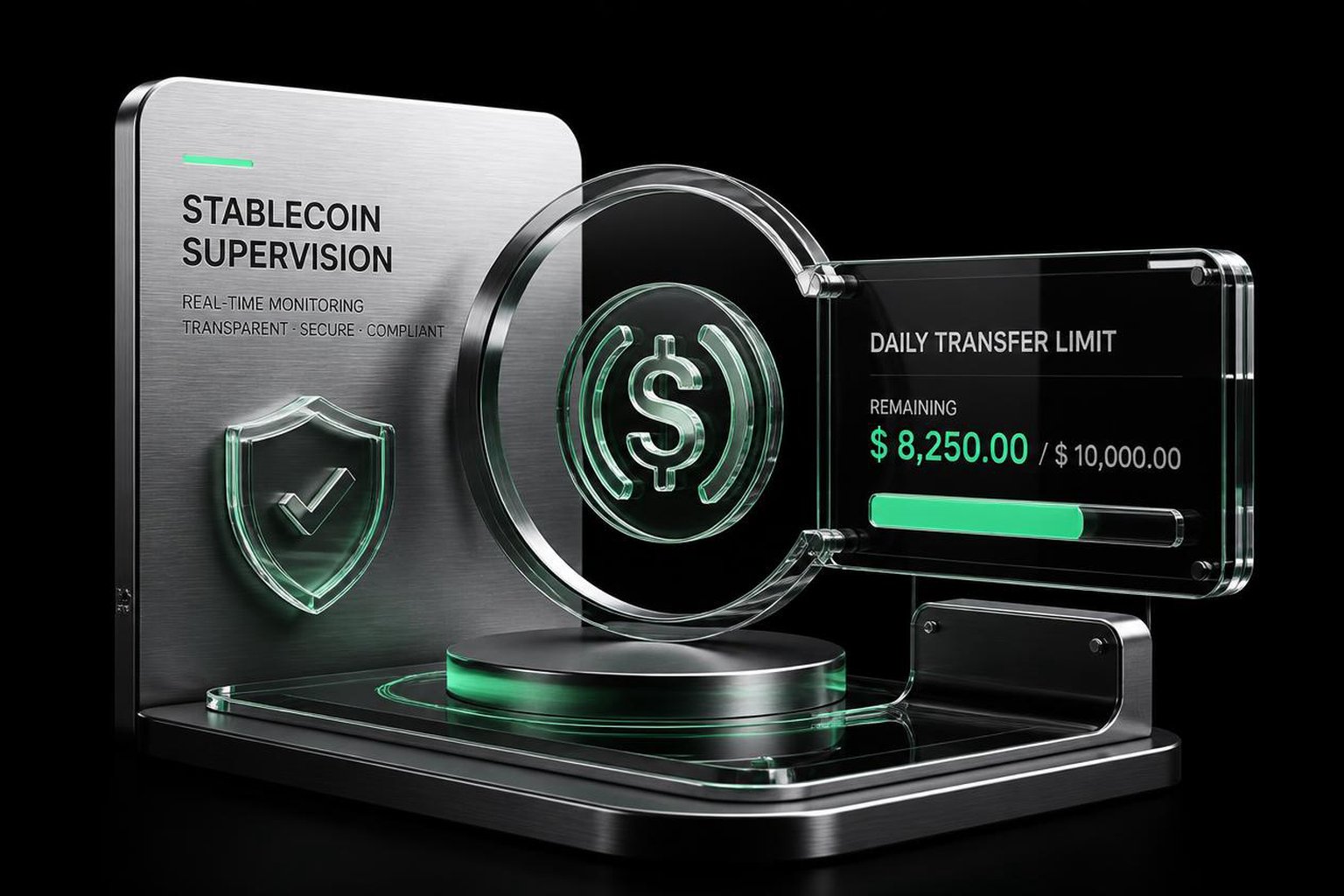
    Thailand’s SEC sets per-person daily transfer caps and wallet self-verification on USDT flows, as the global stablecoin battle shifts from “who may issue” to “how the money moves through the on- and off-ramps.”

    Article Summary

    On September 3, the Thai SEC board approved principles for supervising stablecoin transactions, imposing a daily 5 million baht (about $150,000) cap on inbound and outbound transfers per person per licensed digital-asset operator, and requiring that the wallets on either side of a transfer be verified as belonging to the customer, layered with Travel Rules, customer profiling, and blockchain analytics. Almost simultaneously, the G20’s Asheville Chair’s Statement reserved judgment on stablecoins pending FSB findings on cross-border data gaps and monitoring visibility. Both point to the same shift: regulators are no longer deciding only who may issue stablecoins, but tightening how the money flows through on- and off-ramps, and how much of that flow they can see.

    Thailand Gets Tough: A Daily Per-Person 5 Million Baht Cap and Wallet Self-Verification

    Thailand’s Securities and Exchange Commission (SEC) published Announcement No. 183/2026 on September 3, with the board formally approving a new set of principles for supervising stablecoin transactions. The targets are not issuers but licensed digital-asset (DA) operators, meaning exchanges and brokers. Secretary-General Pornanong Budsaratragoon said stablecoin supervision has become a top priority, after a significant rise in USDT transaction volume and value and the emergence of patterns that could be linked to money laundering, cybercrime, and the circumvention of cross-border remittance rules.

    The core of the four measures is to pull the entire on- and off-ramp into the compliance framework. First, any transfer of stablecoins from another person’s account into a customer’s account, or out of a customer’s account to another person’s account, is prohibited; the wallets on either side must be verified as belonging to the customer, and must comply with Travel Rules, customer profiling, and screening to rule out “mule accounts” or high-risk and watchlist wallets, using blockchain analytics. Second, the value of stablecoins transferred in or out through a single operator must not exceed 5 million baht (about $150,000) per day per person; transfers between customer accounts within the same operator’s supervised system are exempt from the cap, though both sides must still meet Travel Rules.

    “The SEC is committed to supervising the capital market and the digital asset market in a manner that keeps pace with relevant developments and risks… preventing and mitigating the risks of stablecoins being used inappropriately.”
    — Pornanong Budsaratragoon, SEC Secretary-General, September 3, 2026

    The third set of measures aligns the rules for market makers (MMs) on digital-asset exchanges with those applied in the securities business, and adds supervision of liquidity providers (LPs) that supply digital-asset brokers, requiring LPs and the source exchanges they connect to be under the jurisdiction of a regulator (for example, anti-money-laundering or business-conduct oversight). The fourth set sets out transparency guidelines for off-platform and big-lot transactions. All the principles will be finalized after a public hearing in September 2026. The Bank of Thailand has said that about 40% of USDT sellers on local platforms are foreigners, and is stepping up source checks on large cash deposits and withdrawals above 5 million baht.

    Read across the four measures, the regulator’s intent is clear. The 5 million baht per-day, per-person cap draws a dividing line between retail and institutional flow; it does not stop inter-customer transfers within the same operator’s system, but it cuts off the “external wallet” channels that bypass platform identity verification. The combination of wallet-ownership verification and Travel Rules excludes anonymous wallets from on- and off-ramps, pushing stablecoin flows back into a traceable account system. Aligning MM and LP oversight with the securities business means liquidity models that rely on gray-market market-making networks in Southeast Asia face a shake-out. And the transparency guidance for OTC and big-lot trades closes the exit that let large blocks clear outside an exchange’s matching engine. All four cuts aim at one target: making every stablecoin movement in Thailand land on a ledger the regulator can see.

    Looked at regionally, Thailand is not acting in isolation. Singapore’s MAS opened consultation P015-2026 on September 1 to turn its stablecoin guidance into binding, licensing-based law and to bar interest on regulated stablecoins; Hong Kong, China’s stablecoin ordinance took effect in August 2025, and Japan’s FSA is advancing a bank- and trust-led stablecoin framework. As issuer-side frameworks land across major Asian markets, Thailand’s decision to aim at on- and off-ramps and the distribution layer is effectively closing the “last mile” of regional stablecoin governance. For institutions doing stablecoin business in Thailand or Southeast Asia, the compliance center of gravity is moving from “getting a licence” to “whether the operations layer can keep pace with per-person caps and wallet-verification rollouts.”

    The G20’s Reservation: Cross-Border Stablecoin Data Gaps Come to the Fore

    Even as Thailand lands concrete numbers, the language at the global level is converging in the same direction. US Treasury Secretary Scott Bessent released the G20 Asheville Chair’s Statement on September 1 after finance ministers and central bank governors met on August 31 to September 1, acknowledging that digital assets “can contribute to broad-based economic growth” and committing to regulatory frameworks that both “preserve financial stability” and “establish clear pathways for sound digital financial and digital assets innovation.” Fed Chair Kevin Warsh attended the meeting, returning to the G20 for the first time since the financial crisis, which gave the wording added weight.

    But stablecoins were carved out for special treatment: the G20 said it expects the Financial Stability Board to publish findings on the cross-border implications of global stablecoin arrangements, along with work on stablecoin data sources, their availability, and the gaps in what regulators can currently see, before deciding on further action. The group also reaffirmed support for FATF’s virtual-asset standards and asked that priority be given to effective implementation in jurisdictions with significant virtual-asset activity. In effect, “data visibility” is being established as a shared agenda item for the next phase of international supervision: regulators concede that the information they can currently see is not enough to judge the full picture of cross-border stablecoin flows.

    Put the two together and the center of gravity of global stablecoin oversight has moved. Over the past two years, the US GENIUS Act, the EU’s MiCA, and Singapore’s MAS have answered issuer-side questions: who may issue, how reserves are held, and whether interest can be paid. Now Thailand is setting per-person caps at the retail and on-ramp layer, and the G20/FSB is pursuing cross-border visibility at the data layer. Regulators are reaching into the distribution layer where money moves. Issuer-side licensing and distribution-side data demands are advancing at the same time.

    Two Generations of Regulatory Agendas: Issuance vs Distribution

    Dimension Issuance (who may issue) Distribution (how money moves)
    Representative action GENIUS Act, MiCA, MAS-SCS licensing Thai SEC per-person caps + wallet self-verification
    Core tools 100% reserves, no-interest, licensing and redemption rights Travel Rules, customer profiling, blockchain analytics
    Regulatory goal Issuer compliance and reserve transparency Traceable on/off-ramps, cutting mule accounts
    Data focus Reserve composition and audit disclosure Cross-border visibility and FSB data gaps

    Some Takeaways for Practitioners

    1
    On- and off-ramps are becoming the new compliance battleground
    Thailand has aimed its enforcement at the deposit and withdrawal channels of DA operators, imposing per-person, per-day limits. Any exchange or broker operating in Southeast Asia should treat wallet-ownership verification, Travel Rules, and large-value monitoring as a higher priority than licensing, not as an afterthought.

    2
    The “own wallet” requirement reshapes custody and settlement architecture
    Banning transfers from or to other people’s wallets and requiring customer-held wallets means platforms can no longer rely on pooled or white-label wallets to clear large flows. Settlement and custody layers need to be rebuilt around a one-identity, one-wallet mapping, which directly affects the liquidity depth of stablecoin on- and off-ramps.

    3
    The bar for market makers and liquidity providers is rising
    Thailand is aligning MM rules with the securities business and requiring LPs and their source exchanges to be regulated. Liquidity suppliers that rely on gray-market market-making networks will face accelerated clearing in Southeast Asia.

    4
    Data visibility is becoming a shared global standard
    The G20 has handed the stablecoin cross-border data gap to the FSB, a step toward making regulators “able to see.” Beyond issuance and trading data and reserve audits, on-chain flow data will increasingly become part of compliance assessment. Building externally disclosable on-chain data and risk-analysis capabilities early is a forward-looking investment.

  • 每天 500 万泰铢上限:泰国把稳定币监管从”发牌”推向”管钱怎么走”

    每天 500 万泰铢上限:泰国把稳定币监管从”发牌”推向”管钱怎么走”

    每天 500 万泰铢上限:泰国把稳定币监管从”发牌”推向”管钱怎么走”

    泰国 SEC 针对 USDT 流动设下逐日逐人转账上限与钱包自验证,全球稳定币监管的主战场正从”谁可以发行”转移到”钱如何在进出通道里流动”。

    文章解读

    9月3日,泰国 SEC 董事会批准稳定币交易监管原则,对持牌数字资产运营商设下每日 500 万泰铢(约 15 万美元)的进出转账上限,并要求出入金钱包需验证为客户本人所有,叠加 Travel Rules、客户画像与区块链分析。几乎同时,G20 在 Asheville 主席声明中把稳定币列为待 FSB 出具跨境数据与监测缺口结论的保留议题。两条线索指向同一判断:监管已经不再争论”谁有权发行稳定币”,而是开始收紧”稳定币的钱究竟如何在进出通道里流动、监管能看到多少数据”。

    泰国出重手:逐日逐人 500 万泰铢上限与钱包自验证

    泰国证券交易委员会(SEC)在 9 月 3 日公布第 183/2026 号公告,董事会正式批准一套针对稳定币交易的全新监管原则。监管对象并非发行商,而是持牌数字资产运营商(DA Operators,即交易所与经纪商)。SEC 秘书长 Pornanong Budsaratragoon 表示,监管已把稳定币交易列为监督优先级,因过去一段时间 USDT 交易量与交易额显著增长,并出现涉嫌洗钱、网络犯罪与规避跨境汇款监管的交易模式。

    四组措施的核心是把稳定币的”进出通道”完全收进合规框架。第一,任何从他人账户转入客户账户、或从客户账户转出至他人账户的稳定币转账都被禁止,出入金钱包需验证为客户本人持有;转入转出的起始与目标钱包须满足 Travel Rules、客户画像与筛查,用区块链分析工具排查是否关联”人头账户”或高风险、观察名单钱包。第二,客户经单一运营商每日转入与转出的稳定币价值,均不得超过 500 万泰铢(约合 15 万美元);但同一运营商监管体系内客户账户间的互转不适用该上限,双方仍须履行 Travel Rules。

    “The SEC is committed to supervising the capital market and the digital asset market in a manner that keeps pace with relevant developments and risks… preventing and mitigating the risks of stablecoins being used inappropriately.”
    — Pornanong Budsaratragoon, SEC Secretary-General, September 3, 2026

    第三组措施把数字资产交易所(DA Exchange)的做市商(MM)监管规则拉平到与传统证券业务相当的水平,并新增对经纪商(DA Broker)流动性提供方(LP)的监管,要求 LP 及所连通的源交易所须处于监管当局(如反洗钱或经营监督)管辖之下。第四组措施则针对场外(off-platform)与大宗(big lot)交易制定透明度指引。全部原则将于 2026 年 9 月召开公开听证会后定稿。泰国央行(BOT)此前已表示,本地平台上约 40% 的 USDT 卖方为外国人,并正在对 500 万泰铢以上的大额现金存取加强来源审查。

    把四组措施拆开看,监管者的意图相当清晰。5 百万泰铢的逐日逐人上限设的是”零售与机构之间的分界哨”,它并不阻止同一运营商体系内的客户互转,真正要掐断的是”外部钱包进出”这类脱离平台身份验证的通道。钱包归属验证与 Travel Rules 的组合,则把匿名钱包排除在出入金之外,迫使稳定币流转回归可溯源的账户体系。MM 与 LP 监管对齐证券业务,意味着东南亚依赖灰色做市网络的流动性供给模式面临出清。场外与大宗交易的透明化指引,则堵住了此前大额撮合绕开交易所撮合引擎的出口。这四刀指向同一个目标:让稳定币在泰国的每一次进出,都落在监管者能看见的账本上。

    从区域视角看,泰国此举并非孤立。新加坡 MAS 在 9 月 1 日发布 PS 法案修正咨询(P015-2026),把稳定币从指引升级为有法律约束力的牌照制,禁止向持牌稳定币持有者付息;中国香港稳定币条例已于 2025 年 8 月生效,日本 FSA 亦在 8 月推进银行与信托主导的稳定币框架。当发行端框架在主要亚洲市场先后落地后,泰国把监管火力转向出入金与分配环节,实际上是在补上区域稳定币治理的”最后一公里”。对在泰国或东南亚开展稳定币业务的机构来说,这意味着合规的重心正从”拿到牌照”转向”运营层能否跟上逐人限额与钱包验证的落地节奏”。

    G20 的保留意见:稳定币跨境数据缺口被摆上台面

    就在泰国落地具体数字的同时,全球层面的措辞也在同步收敛。美国财长 Scott Bessent 在 9 月 1 日发布 G20 Asheville 财长与央行行长会议(8 月 31 日至 9 月 1 日)主席声明,承认数字资产”可以为广泛经济增长作出贡献”,并承诺推进”既维护金融稳定、又为健全数字金融与数字资产创新开辟清晰路径”的监管框架。美联储主席 Kevin Warsh 时隔多年重返 G20 与会,令这份措辞更受关注。

    但稳定币被单独保留:G20 表示期待 FSB 就全球稳定币安排的跨境影响、以及稳定币数据来源的可获得性与监管数据缺口出具进一步结论,再决定后续动作。同时 G20 重申对 FATF 虚拟资产标准的支持,并要求优先确保虚拟资产活动显著的国家有效落实这些标准。这实质上是把”数据能见度”确立为下一阶段国际监管的公共议题——监管者承认,他们目前能看到的信息,不足以判断稳定币跨境流动的全貌。

    把两件事放在一起看,全球稳定币监管的重心已经位移。过去两年,美国 GENIUS Act、欧盟 MiCA、新加坡 MAS 都在回答”谁能发、储备怎么放、能否付息”这类发行端问题;如今泰国在零售与出入金环节设置逐人上限,G20/FSB 在数据层追索跨境能见度,监管开始把触角伸向”钱如何在通道里流动”这一分配端问题。发行端牌照化与分配端数据化,正在同时推进。

    发行端与分配端:两代监管议题对照

    维度 发行端(谁可以发) 分配端(钱怎么走)
    代表动作 GENIUS Act、MiCA、MAS-SCS 牌照化 泰国 SEC 逐人限额 + 钱包自验证
    核心工具 100% 储备、禁止付息、发牌与赎回权 Travel Rules、客户画像、区块链分析
    监管目标 发行主体合规与储备透明 出入金可溯源、阻断人头账户
    数据焦点 储备资产构成与审计披露 跨境流动能见度与 FSB 数据缺口

    对从业者的一些启示

    1
    出入金通道正成为新的合规主战场
    泰国把监管火力对准 DA 运营商的入金与出金环节,逐人逐日设限。任何在东南亚运营的交易所与经纪商,都应把钱包归属验证、Travel Rules 与大额监控当作比牌照更优先的工程,而不是事后补救。

    2
    “本人钱包”要求会重塑托管与结算架构
    禁止从他人钱包进出、要求客户自持钱包,意味着平台无法再依赖混池或白标钱包撮合大额流转。结算与托管层需要为”唯一身份-唯一钱包”的映射关系重构,这直接影响稳定币出入金的流动性深度。

    3
    做市商与流动性提供方的监管门槛在抬高
    泰国把 MM 规则向证券业务对齐,并要求 LP 及源交易所处于受监管状态。这意味着场外流动性的供给方将被迫持牌或受反洗钱监督,依赖灰色做市网络的模式在东南亚将加速出清。

    4
    数据能见度将成为全球标准的公共议题
    G20 把稳定币跨境数据缺口交给 FSB 出具结论,方向是让监管者”看得见”。发行与交易数据、储备审计之外的链上流转数据,会逐步成为合规评估的组成部分。尽早建立可对外披露的链上数据与风险分析能力,是前瞻性投入。