作者: MzaZobV4JT53byg

  • SEC为代币化华尔街修路:40年首次重写过户代理规则,区块链可成官方股东名册

    SEC为代币化华尔街修路:40年首次重写过户代理规则,区块链可成官方股东名册

    SEC为代币化华尔街修路:40年首次重写过户代理规则,区块链可成官方股东名册

    在CLARITY法案9月15日程序性投票前夜,SEC绕开国会、连推两项行政规则,为链上股权记账与AI代理经济铺路。

    过户代理规则上次修订
    1977年
    40年首次大修

    SEC评论截止
    11月3日
    S7-2026-30

    Base链上代理支付
    1亿笔
    2026 Q1 Chainalysis

    CLARITY通过率
    13%
    Polymarket定价

    9月1日,SEC发布自上世纪70年代末以来最大规模的过户代理规则修订草案,核心一句:允许过户代理以区块链或其他分布式账本技术作为官方股东名册(master securityholder file)。这看似冷门的”管道规则”,实际是代币化华尔街的真正起跑线——它回答了一个悬置已久的问题:链上记录到底算不算合法的股东名册。

    同一周,监管的另一条行政线也在推进。SEC的Regulation Crypto Assets提案(8月18日通过)评论期持续到10月20日,G20财长会议重申数字资产监管路径。与此同时,Coinbase把AI代理经济定为加密下一增长引擎,Base链上代理支付一季度已破1亿笔,x402与ERC-8004标准正把机器支付变成现实。立法与行政、人工与机器,四条线在这一周交汇。

    一、为什么关注:管道规则才是真正的分水岭

    ETF审批决定你如何购买敞口,过户代理规则却决定谁有资格说你拥有某个东西。全美约273家注册过户代理,负责维护股票所有权的官方记录、处理过户、登记发行、执行分红与赎回。过去40年,SEC几乎未做实质更新,副主席Mark Uyeda在声明中承认,此前是”以执法代监管”的零敲碎打。

    这份116页的提案(Release 34-106246,S7-2026-30)修订1977年通过的Rules 17ad-1至17ad-7,新增Rule 17ad-31让智能合约取代纸质限制性批注,并修订Form TA-2要求披露采用分布式账本的证券数量。评论期60天,11月3日截止。

    二、行业现状:代币化基金早已上路,差一块”合法名册”拼图

    Franklin Templeton与BlackRock过去两年都在搭建链上货币市场基金和代币化基金结构。但这一切的前提,是背后的过户代理能找到一条规则,说明钱包地址加代币余额可以算作官方股东记录。过去没有,现在有了提案。

    监管行政线的双轨并行值得注意。Reg Crypto Assets管”代币怎么卖”(初创豁免500万美元/4年、融资豁免年7500万美元+审计财报、去中心化代币条件性安全港),过户代理规则管”传统证券代币化后怎么记账”。两案之间,SEC在原本割裂的”证券”与”加密”两侧同时补齐了规则。

    另一边,代理经济的底层数据也在爬升。Chainalysis统计Base链上代理支付Q1已超1亿笔;XRPL上x402代理支付9月5日突破400万笔,四天增长29%,RLUSD市值同期从20.7亿升至24亿美元。Coinbase联合发起x402标准,并参与草拟ERC-8004——一个给每个注册AI代理发放身份令牌和公开反馈记录的标准化身份层,为代理经济提供”支付+声誉”双基础设施。

    关键信号:SEC在CLARITY法案不确定的立法路径之外,已连续两周以行政规则搭建国内数字资产框架。规则可以由未来委员会推翻,但”一个联邦监管者首次写出’默认而非容忍股东名册上链’的规则”这一事实本身,就是信号。加上x402/ERC-8004把机器支付标准化,美国代币化市场的”记账合法化”与”机器化”正同步推进。

    三、深度分析:四条线如何交汇

    1
    立法与行政的赛跑CLARITY法案9月15日2:15 p.m.程序性投票需60票,共和党53席需至少7名民主党倒戈,Polymarket定价约13%,Galaxy Research低至10%。若失败,综合立法恐推迟到2029年。但SEC没有坐等,Reg Crypto Assets + 过户代理规则就是行政替代方案。差别在于:法规可被未来委员会反转,法律需国会行动。行业为此已投入1.89亿美元政治献金(Public Citizen数据),Fairshake超8200万。

    2
    “合法名册”是代币化的咽喉区块链能否成为官方记录,决定了代币化股票是”真实股份”还是”对别人股份的索取权”。提案明确允许但非强制,并留了19个关于DLT、区块链、代币化的征求意见问题,包括链上钱包地址在多大程度上算股东身份、链上记录如何与链下实名对接。Computershare等传统代理与新一代链上托管机构之间的角力,将是评论期看点。

    3
    机器支付标准化的叠加x402让任何网站都能设机器可读的付费墙,AI代理以链上稳定币支付后即放行;ERC-8004给代理上”声誉身份证”。Coinbase联合两者,有把Base做成机器支付主战场的明确商业动机。当”合法记账”与”机器支付”两项基础设施同年成型,代币化与代理经济的交汇点开始从叙事走向可结算的协议层。

    4
    夜盘与结算的同步延展SEC同日延长了SIP报价基础设施运营时间至周日晚9点至周五晚8点,配合纳斯达克23小时、NYSE Arca与Cboe EDGX获批的延长时段。更长的交易窗口意味着更高的结算与记账压力,也放大了区块链实时记账的价值。管道规则、结算时效、代币化三者在此互相咬合。

    四、投资视角

    现货BTC ETF本周净流入约9.87亿美元、ETH ETF约2.15亿美元,合计约12亿美元,BlackRock的BTC产品占约6.92亿,9月3日单日7.31亿为1月以来最强。BTC周末约7.97万美元,市场在9月15日CLARITY投票与下周通胀数据之间观望。Bernstein估计法案若失败,BTC短期或回调10-25%至5.5-6万美元区间,山寨币回撤15-30%。

    过户代理规则的直接受益方是链上托管、代币化基金管理与跨链结算的基础设施公司,而非某个单一代币。对ETH与SOL而言,代理支付以稳定币结算、无单一链锁定标准,其价值通过网络路由的交易费体现,而非代币面值。

    五、结论:记账合法化是代币化华尔街的起跑线

    40年未动的过户代理规则在这一周被重写,传递的信息比ETF批准更根本:SEC开始以”股东名册可以在链上”为前提写规则,而非仅仅容忍它。叠加Reg Crypto Assets的销售端规则、x402/ERC-8004的机器支付标准,以及延长的结算窗口,美国正在立法僵局之外,用行政手段把代币化与代理经济的”管道”逐段铺通。对从业者而言,关注点应落在评论期内的规则博弈、9月15日的程序性投票,以及链上记账基础设施能否抓住这一窗口完成合规卡位。

  • The Same Dollar Counted Twice: The Fed Studies Putting Stablecoins in the Money Supply While African Central Banks Rush to Plug Them Into Phones

    The Same Dollar Counted Twice: The Fed Studies Putting Stablecoins in the Money Supply While African Central Banks Rush to Plug Them Into Phones

    The Same Dollar Counted Twice: The Fed Studies Putting Stablecoins in the Money Supply While African Central Banks Rush to Plug Them Into Phones

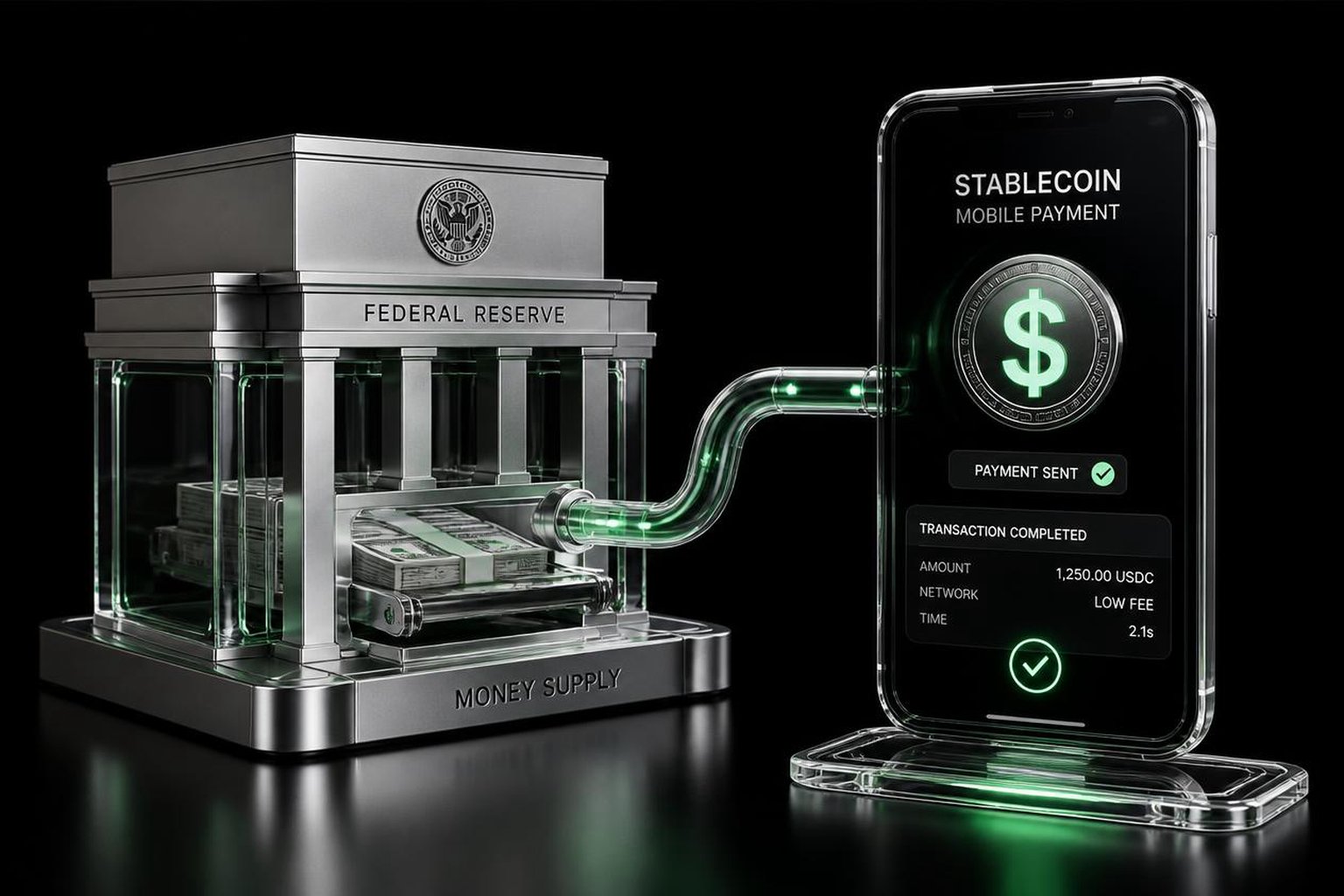
    On the same day, the world’s most conservative monetary statisticians and its most active mobile-payment continent both started treating stablecoins as real money — the Americans agonizing over how to count them, the Africans over how to use them.

    Article Brief

    On September 4, Federal Reserve staff published a FEDS Note discussing how to fold GENIUS-Act-compliant payment stablecoins into the M1 or M2 monetary aggregates, anchored on the “same-dollar” accounting problem: stablecoin reserves (bank deposits, Treasuries, money-market funds) are already inside the money supply, so adding tokens at face value would inflate apparent liquidity. Almost simultaneously, regulators in Ghana, Mauritius and Uganda began drafting coordinated frameworks to plug stablecoins into a $1.4 trillion mobile-payment ecosystem with more than 1.2 billion registered accounts. The common thread: stablecoins are no longer treated as crypto assets to be decided on, but as monetary infrastructure to be measured and integrated.

    The Fed’s “Same-Dollar” Problem: Where Does a Stablecoin Sit, M1 or M2

    On September 4, Federal Reserve staff Kristen Payne and Mary-Frances Styczynski published a FEDS Note that, for the first time, systematically examined how GENIUS-Act-compliant payment stablecoins, tokenized deposits and tokenized money-market funds could be incorporated into the U.S. monetary aggregates. Today payment stablecoins sit outside every official measure, including the monetary base, M1 and M2. The note is independent staff research rather than a policy proposal and changes no current definition, but its very existence is worth attention.

    The core is a problem that sounds technical but is not: the same dollar could be counted twice. A customer sends dollars to an issuer, the issuer deposits them in a bank account or a government money-market fund, and mints an equal-face-value stablecoin against that reserve — a reserve that was already sitting inside M1 or M2. Adding the stablecoin at face value would therefore insert a second layer of “money” backed by no corresponding purchasing power. The GENIUS Act makes this overlap structural rather than incidental: its permitted reserve assets are bank deposits, U.S. Treasuries and government money-market funds, precisely the instruments already captured in M1 and M2.

    “The central accounting problem is that the same dollar could be counted twice. An issuer takes in dollars, places them in a bank deposit or government money market fund, and mints tokens against that reserve, and both the reserve and the token could end up inside the same aggregate.”
    — Federal Reserve FEDS Note, September 4, 2026

    Whether a stablecoin lands in M1 or M2 depends on use rather than label. M1 covers currency and highly liquid balances that can be spent immediately; M2 adds savings-type instruments including small time deposits and retail money-market funds. The Fed staff frame the test by economic function: if a stablecoin is used mainly for everyday household and business payments, its instant settlement could arguably make it more liquid than a demand deposit, supporting an M1 slot; if it is used mainly to store value or as crypto-trading liquidity, it fits better outside M1 but inside M2.

    Classification Rationale Practical Obstacle
    M1 Used mainly for daily payments; instant settlement, more liquid than a demand deposit Blockchain settlement supports this, but must show use “mainly as a payment instrument”
    Non-M1 M2 Used for storing value or crypto-trading liquidity, as a short-term investment Observed data show USDC heavily used as market infrastructure, not commerce
    Reserve overlap Bank deposits/Treasuries/money funds already counted; must strip genuine overlaps Requires issuer-by-issuer matching against M1 and M2 definitions
    Geography Only the portion held by U.S. residents should be counted Issuers report global circulation, with no residency data

    The geography problem may be the harder one. A dollar stablecoin issued by a U.S.-regulated company can flow globally on public blockchains, and on-chain records generally lack the residency information needed to isolate U.S. holdings. The GENIUS Act constrains U.S.-regulated issuers without distinguishing domestic from international circulation, so isolating the “U.S.-held” portion would require an entirely new reporting regime. The researchers also cite a BIS sample of 141 million Ethereum transactions in 2025, in which roughly a third generated multiple steps and nearly 60% of transfer events occurred inside complex transactions, meaning that treating every on-chain transfer as a standalone payment would overstate the payment role of stablecoins.

    The scale comparison explains why this is not urgent today. The global stablecoin market is roughly $292 billion, while seasonally adjusted U.S. M2 stood at $23.218 trillion in July 2026 — the entire global stablecoin market is a fraction of M2, and only a portion of it is held by U.S. residents. Circle’s USDC had $71.826 billion in circulation against $71.904 billion in reserve fair value as of July 31, most held in the Circle Reserve Fund, a government money-market fund. The note’s real signal is directional: central-bank staff do not usually draft measurement frameworks for assets they expect to remain marginal. The BIS had just argued at Jackson Hole that stablecoins fail at scale for payments, while Fed staff simultaneously worked out how they would be counted if they succeeded.

    African Central Banks Go the Other Way: Stablecoins Are Not the Problem, Failing to Reach Phones Is

    Almost in the same week, Africa offers the opposite answer. On September 6 and 7, regulators in Ghana, Mauritius and Uganda made clear they intend to treat stablecoins as a distinct asset class to be plugged into the formal financial system, rather than folding them into broad crypto rules. According to GSMA data, global mobile money processed more than $2 trillion in 2025 with 2.3 billion registered accounts; Africa alone counts more than 1.2 billion registered accounts and about 347 million active users, contributing roughly 65% of global mobile-money transaction value, above $1.4 trillion. For Africa, plugging stablecoins into this already-running phone-payment rail is the natural path.

    The three central banks are taking different routes but share one principle. Uganda’s Capital Markets Authority is drafting a Virtual Assets Service Providers Bill, and director of market supervision Denis Kizito frames it as “same activity, same risk, same regulation” — a token that behaves like money should face the same licensing, custody and reserve rules as other payment instruments. The Bank of Ghana is furthest along, considering a licence for locally issued stablecoins expected to be denominated mainly in the cedi, alongside a separate framework for foreign-currency tokens already circulating; virtual-assets head of oversight Tahiru Alhassan says a cedi-backed stablecoin “can be seen as an enabler of monetary policy,” the same currency in a new wrapper. Mauritius’s Financial Services Commission issued a stablecoin guidance note in mid-August, layering reserve, redemption-right, custody and disclosure expectations on its licensing regime for virtual-asset service providers in place since 2021.

    “You cannot think about Africa without thinking about the telcos. Digitally native wallets on phones are not new here. Africa’s fintech leadership is translating very well into the world of stablecoins.”
    — Gillian Darko (Yellow Card) and Abdallah Mukalled (Ripple), UN ECA webinar on stablecoins, September 2026

    Cross-border payments are the most immediate use case in Africa. Yellow Card group vice-president of strategy Gillian Darko says the largest share of stablecoin activity she sees comes from cross-border payments, treasury management and transfers between African countries, with customers using dollar-pegged tokens to hedge currency swings. The World Bank ranks Africa as the world’s most expensive place to move money across borders, and that cost is pushing both individuals and companies toward stablecoins. Darko’s judgment is blunt: “dollar rails for cross-border settlement, local-currency stablecoins for domestic use.” Ghana and Rwanda have already signed a fintech-licence passporting deal, with ambitions to pull more countries in, but Mauritius’s Khonsu Visham cautions that cross-border mutual recognition of licences must come after supervisors build trust through shared data and a joint pilot — “passporting is a possible later stage of regulatory integration.”

    Regulators are also wary of an access gap. CGAP senior financial-sector specialist Ivo Jeník warns that if stablecoin services depend on bank accounts, identity checks and reliable connectivity, the roughly 1.3 billion adults excluded from the formal financial system could be left behind. Afework Temtime of the UN Economic Commission for Africa folds stablecoins into the African Continental Free Trade Area (AfCFTA) and the Pan-African Payment and Settlement System (PAPSS), calling the conversation “a critical moment for Africa’s digital financial transformation.” In short, Africa is not rejecting stablecoins; it is working to ensure they grow on phones already in people’s hands.

    Implications for Practitioners

    1
    The regulatory debate has shifted from “is it a security” to “what kind of money is it and how does it plug in”
    The Fed is debating whether stablecoins belong in M1 or M2; African central banks are debating how to plug them into mobile payments. The core question is no longer whether to issue, but which layer of the monetary system they occupy and how they connect to existing rails. Project positioning should follow this shift: a stablecoin’s real competition is becoming traditional monetary infrastructure, not other crypto assets.

    2
    Reserve transparency will face new statistical-layer demands
    The Fed’s “same-dollar” problem will push issuers, beyond monthly reserve disclosures, to add granular reserve composition and domestic-versus-international circulation data. Compliant stablecoin issuers should prepare auditable reserve categories and separable onshore/offshore circulation figures early, or they will be caught off guard when official definitions tighten.

    3
    Africa is becoming a new incremental market for stablecoin compliance
    The Ghana, Mauritius and Uganda frameworks mark a shift from “regulatory vacuum” to explicit licensing. A dual-track structure is taking shape — dollar stablecoins for cross-border settlement, local-currency stablecoins for domestic payments — and the Ghana-Rwanda passporting deal is a seed of regional integration. Firms that secure African licences and local-currency fiat on-ramps early are positioning in an opening window.

    4
    “Access infrastructure” determines how fast stablecoins scale
    Yellow Card’s point that “you cannot think about Africa without the telcos” captures the pattern: stablecoins scale only where they grow on existing users — phone wallets in Africa, bank clearing and exchanges in developed markets. Whoever embeds stablecoins seamlessly into existing distribution channels holds the scale entry point, rather than operating in a self-referential on-chain silo.

  • 美元被数了两遍:美联储研究稳定币入账,非洲央行却急着把它接进手机

    美元被数了两遍:美联储研究稳定币入账,非洲央行却急着把它接进手机

    美元被数了两遍:美联储研究稳定币入账,非洲央行却急着把它接进手机

    同一天,全球最保守的货币统计机构和最活跃的移动支付大陆,都把稳定币当成了真正的钱,只是美国人头疼怎么数,非洲人操心怎么用。

    文章解读

    9 月 4 日,美联储员工发布一份 FEDS Note,讨论如何把 GENIUS 法案合规的支付稳定币纳入 M1 或 M2 货币统计,核心是”同一美元被数两遍”的记账难题:稳定币储备(银行存款、国债、货基)已在货币总量里,再按面值加一层稳定币就会虚增流动性。几乎同时,加纳、毛里求斯、乌干达的监管机构联手起草稳定币框架,把它接进价值 1.4 万亿美元、注册账户超 12 亿的移动支付生态。这轮全球动作的共同点:稳定币不再被当作”要不要管”的加密资产,而是被当成”是什么种类的钱、怎么接进既有体系”的货币基础设施问题。

    美联储的”同一美元”难题:稳定币进 M1 还是 M2

    9 月 4 日,美联储员工 Kristen Payne 和 Mary-Frances Styczynski 发表了一篇 FEDS Note,首次系统讨论把 GENIUS 法案合规的支付稳定币、代币化存款和代币化货基纳入美国货币总量统计的问题。今天,支付稳定币被排除在包括货币基础、M1、M2 在内的所有官方货币总量之外。这份员工研究不构成政策提案,也没有改变任何现行口径,但它的存在本身就值得注意。

    研究的核心是一个听起来技术、实际上并不技术的问题:同一美元会被数两遍。客户把钱交给发行商,发行商把它存入银行账户或政府货基,然后按面值铸造等额的稳定币,而这笔储备本来就已经躺在 M1 或 M2 里。若再把稳定币按面值加进去,统计上就多出一层没有对应购买力的”货币”。GENIUS 法案让这种重叠变成结构性而非偶然:它允许的储备资产正是银行存款、美国国债和政府货基,而这些恰恰是 M1、M2 里已有的项目。

    “The central accounting problem is that the same dollar could be counted twice. An issuer takes in dollars, places them in a bank deposit or government money market fund, and mints tokens against that reserve, and both the reserve and the token could end up inside the same aggregate.”
    — Federal Reserve FEDS Note, September 4, 2026

    放在 M1 还是 M2,取决于用途而非名称。M1 覆盖现金和可即时消费的高流动性余额;M2 在 M1 基础上叠加储蓄类工具,包括小额定期存款和零售货基。美联储员工给出的判断标准是经济功能:若稳定币主要用于家庭和企业的日常支付,其即时到账特性甚至比活期存款更”流动”,支持归入 M1;若主要用于持有价值、充当加密交易的流动性,则更贴近 M1 之外的 M2。

    分类 归入依据 现实障碍
    M1 主要用于日常支付,即时到账,流动性高于活期存款 区块链瞬时结算支撑,但需说明”主要作支付工具”
    非 M1 的 M2 用于储值或加密交易流动性,作为短期投资 观察数据显示 USDC 大量用于市场基础设施而非商业支付
    储备重叠 银行存款/国债/货基已在总量里,需剔除真实重叠 需发行商层面逐一匹配 M1、M2 定义
    地理口径 只计美国居民持有的部分 发行商只报全球流通量,无居民归属数据

    地理问题反而更难。美元稳定币由美国受监管公司发行,却能在公开链上流向全球,链上记录普遍缺乏能区分美国持有的居住地信息。GENIUS 法案只约束美国受监管的发行商,并不区分境内与境外流通,因此要把”美国持有”的部分单独拎出来,需要全新的报送体系。研究人员还引用 BIS 对 2025 年 1.41 亿笔以太坊交易的抽样,约三分之一交易产生多个步骤,近六成转账事件发生在复杂交易内部,这意味着把每一次链上转账都当成独立支付会高估稳定币的支付属性。

    规模对比解释了为何眼下不紧迫。全球稳定币市场约 2,920 亿美元,而 2026 年 7 月美国季调后 M2 高达 23.218 万亿美元,整个全球稳定币市场也仅是 M2 的零头,且其中只有一部分由美国居民持有。Circle 的 USDC 截至 7 月 31 日流通量 718.26 亿美元、储备公允价值 719.04 亿美元,大多存放在 Circle Reserve Fund 这只政府货基里。这篇员工研究真正传递的信号是方向:央行员工通常不会为预期永远边缘的资产起草计量框架,如今 BIS 在杰克逊霍尔刚论证稳定币规模化支付的失败,美联储员工却同步研究”若它们成功该怎么数”。

    非洲央行反着来:稳定币不是问题,接不进手机才是问题

    几乎同一周,非洲给出相反的答案。9 月 6 日至 7 日,加纳、毛里求斯、乌干达的监管机构明确要把稳定币当作独立资产类别接入正式金融体系,而不是把它塞进笼统的加密规则。据 GSMA 数据,全球移动支付 2025 年交易额超 2 万亿美元、注册账户 23 亿,其中非洲拥有逾 12 亿注册账户、约 3.47 亿活跃用户,贡献了全球约 65% 的移动支付交易额、总额超 1.4 万亿美元。对非洲而言,把稳定币接进这套已经跑通的手机支付轨道,是天然路径。

    三家央行走的路线并不相同,但共享同一套原则。乌干达资本市场管理局正在起草《虚拟资产服务提供商法案》,局长监督主管 Denis Kizito 解释其思路是”相同活动、相同风险、相同监管”,一个行为像钱的代币,就要面对其他支付工具同样的牌照、托管和储备规则。加纳央行走得更远,正考虑为本地产的稳定币发牌照,预计主要以塞地(cedi)计价,同时对已在境内流通的外币稳定币单设框架;其虚拟资产部门监管合规主管 Tahiru Alhassan 直言,塞地稳定币”可被视为货币政策的使能器”,是同一种货币的新外壳。毛里求斯金融委员会则于 8 月中旬发布稳定币指引,在 2021 年已有的虚拟资产服务商牌照体系上叠加储备、赎回权、托管与披露预期。

    “You cannot think about Africa without thinking about the telcos. Digitally native wallets on phones are not new here. Africa’s fintech leadership is translating very well into the world of stablecoins.”
    — Gillian Darko (Yellow Card) and Abdallah Mukalled (Ripple), UN ECA webinar on stablecoins, September 2026

    跨境支付是稳定币在非洲最现实的用途。Yellow Card 副总裁 Gillian Darko 表示,公司见到的稳定币活动大头来自跨境支付、财资管理和非洲国家间的转账,客户用它对冲货币贬值。世界银行数据显示,非洲仍是全球跨境转账成本最高的地区,这正把个人和企业推向稳定币。Darko 的判断很直白:”美元轨道用于跨境结算,本币稳定币用于国内支付。”加纳和卢旺达已签署金融科技牌照互通(passporting)协议,目标是拉更多国家进来,但毛里求斯的 Khonsu Visham 提醒,跨境互认牌照的前提是先建立互信,靠共享数据和联合试点,passporting”是监管融合更晚的阶段”。

    监管机构同样警惕接入鸿沟。CGAP 高级金融部门专家 Ivo Jeník 警告,若稳定币服务依赖银行账户、身份核验、稳定网络,全球约 13 亿被排除在正式金融体系之外的成年人会被继续落下。联合国非洲经济委员会(UN ECA)的 Afework Temtime 则把稳定币放进非洲大陆自由贸易区(AfCFTA)和泛非支付结算系统(PAPSS)的规划里,称这个对话”正处非洲数字金融转型的关键时刻”。换言之,非洲要的不是拒绝,而是确保稳定币长在已经到农民手里的手机上。

    对从业者的一些启示

    1
    监管重心已从”是不是证券”切换到”是什么钱、怎么接”
    美联储在讨论稳定币进 M1 还是 M2,非洲央行在讨论把它接进手机支付。监管争论的核心不再是”该不该发”,而是”它属于货币体系的哪一层、如何与既有轨道对接”。项目定位要跟着这个判断走:稳定币的对手盘正在从加密资产变成传统货币基础设施。

    2
    储备透明度将迎来统计口径层面的新要求
    美联储指出的”同一美元被数两遍”问题,会倒逼发行商在月度储备披露之外,补充更细的储备构成与居民归属数据。合规稳定币发行商应提前布局可对账的储备分类、可拆分的境内境外流通数据,否则当官方口径收紧时会被动。

    3
    非洲正成为稳定币合规的新增量市场
    加纳、毛里求斯、乌干达的框架意味着非洲从”加密监管真空”转向”明确牌照制”。跨境结算走美元稳定币、国内支付走本币稳定币的双轨结构正在成型,加纳-卢旺达的 passporting 协议是区域一体化的雏形。提前布局非洲牌照与本地化法币对价,机会窗口正在打开。

    4
    “接入基础设施”决定稳定币的落地速度
    Yellow Card 那句”不能脱离电信商谈非洲”点透了规律:稳定币要跑得快,就要长在已有用户的地方,非洲是手机钱包,发达市场是银行清算与交易所。谁能把稳定币无缝嵌进现有分发渠道,谁才握有规模入口,而不是在链上孤岛里自弹自唱。

  • Solana Leads RWA Net Inflows, AI Giant Perpetuals Go Live, Stablecoins Weighed for M1

    Solana Leads RWA Net Inflows, AI Giant Perpetuals Go Live, Stablecoins Weighed for M1

    A
    Aurellix
    September 7, 2026
    1 min read

    Focus of the Day
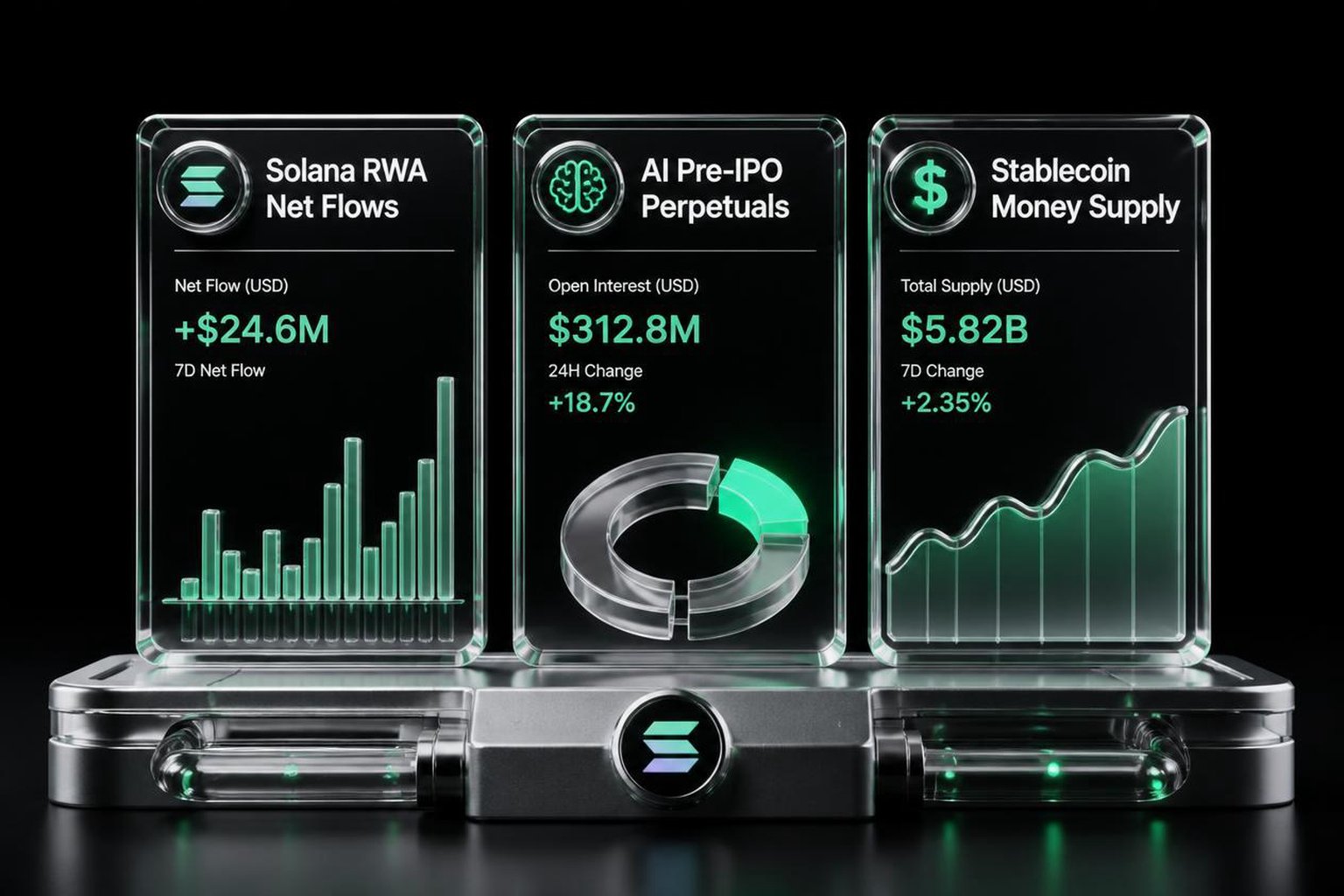
    Solana led RWA net inflows, posting $348M in 30-day net inflow as distributed RWA climbed to $4.23B, with BlackRock, Franklin and VanEck validating its institutional niche. RWA derivatives now reach into private giants, with Kraken listing OpenAI and Anthropic pre-IPO perpetuals to bring AI valuations into leveraged trading. The Fed for the first time weighed adding stablecoins to M1/M2, Dubai’s VARA partnered with Securitize, and global stablecoin market cap hit $292.1B with RWA market cap at $38.76B and 3.298M holders, a new high.

    Industry Wire

    10 items

  • Solana posts $348M 30-day net inflow, tops all chains — distributed RWA rose to $4.23B (+11.13%), 399K holder addresses and $3.72B in 30-day transfers, nearly tripling in eight months
  • Kraken lists OpenAI, Anthropic pre-IPO perpetuals — cash-settled with up to 5x leverage, bringing AI giants’ valuations into leveraged markets for the first time with no equity or dividends
  • Fed weighs adding stablecoins to M1/M2 — a FEDS Note proposes classifying by economic use, but flags double-counting risk from the “same dollar,” with $292.1B in stablecoins still outside monetary aggregates
  • Dubai’s VARA and Securitize sign MoU — to build regulated tokenized markets, with RWA market cap at $3.85B and holders up 103% in 30 days to 3.2M, a new high
  • Chainlink on-chain RWA tops $340B — CCIP weekly volume exceeds $1.3B, with McKinsey projecting a $2-4 trillion tokenized market by 2030, regulatory harmonization as the ceiling
  • LSE teams with Kraken’s Payward on tokenized UK stocks — exploring LSE 24-hour trading, pairing regulated market infrastructure with digital-native distribution
  • Singapore MAS drafts new stablecoin rules — consultation covers cross-border recognition and interest limits; Korea unveiled a three-phase tokenization roadmap and NYSE parent ICE took a stake in tZERO
  • Uniswap V4 leads tokenized-stock DeFi deposits — the segment’s TVL nears $193M, as on-chain stocks move from holding into composable DeFi collateral
  • Polymarket launches 67 leveraged perp markets — spanning crypto, equities and commodities to collapse the gap with mainstream derivatives, as Coinbase files for equity perpetuals
  • Ethereum RWA ecosystem diversifies structurally — stablecoins at $163.5B, tokenized funds at $17.5B and stocks at $770M, with RWA perp volume rebounding to $2.6B
  • Solana 领跑 RWA 净流入,AI 巨头永续上线,稳定币或纳入 M1

    Solana 领跑 RWA 净流入,AI 巨头永续上线,稳定币或纳入 M1

    A
    Aurellix
    2026年9月7日
    1 分钟阅读

    今日焦点
    Solana 领跑 RWA 净流入,30 天净流入 $348M、分布式 RWA 升至 $42.3亿,贝莱德、Franklin、VanEck 齐聚验证机构生态位。RWA 衍生品向私人巨头延伸,Kraken 上线 OpenAI、Anthropic 上市前永续,AI 估值首入杠杆市场。美联储首次系统探讨稳定币纳入 M1/M2,迪拜 VARA 联手 Securitize,全球稳定币市值 $2921 亿、RWA 总市值 $38.76亿、持有者 329.8万创历史新高。

    行业速报

    共 10 条

  • Solana 30 天净流入 $348M 领跑全网 — 分布式 RWA 升至 $42.3亿(+11.13%),持有地址 39.9 万、30 天转账 $37.2亿,八个月近三倍
  • Kraken 上线 OpenAI、Anthropic 上市前永续 — 现金结算、最高 5 倍杠杆,AI 巨头估值首次进入杠杆交易市场,不授予股权或分红
  • 美联储首次探讨稳定币纳入 M1/M2 — FEDS Note 提出按经济用途归类,但存在「同一美元」双重计算风险,全球稳定币 $2921 亿仍游离于货币总量外
  • 迪拜 VARA × Securitize 签署 MoU — 共建受监管代币化市场,RWA 总市值 $38.5亿、持有者 30 天 +103% 至 320 万创历史新高
  • Chainlink 链上 RWA 破 $3400 亿 — CCIP 周交易量超 $13 亿,McKinsey 预测代币化市场 2030 年达 $2-4 万亿,监管协调是上限关键
  • 伦交所联合 Kraken 母公司筹划代币化英国股票 — 与 Payward 合作探索 LSE 24 小时交易,受监管市场基建 + 数字原生分销双线并进
  • 新加坡金管局拟推稳定币新规 — 覆盖跨境认可与利息限制征求意见;韩国公布三阶段代币化路线图,纽交所母公司 ICE 入股 tZERO
  • Uniswap V4 领跑代币化股票 DeFi 存款 — 该细分 TVL 近 $1.93亿,链上股票从持有走向可组合 DeFi 抵押品阶段
  • Polymarket 上线 67 个杠杆永续市场 — 覆盖加密、股票、大宗商品,Collapse 离岸与主流衍生品界限,Coinbase 同步申请股票永续
  • 以太坊 RWA 生态结构性多元 — 稳定币 $1635亿、代币化基金 $175亿、股票 $7.7亿,RWA 永续交易量反弹至 $26亿
  • RWA 早报 | 2026年9月7日

    RWA 早报 | 2026年9月7日

    RWA DAILY BRIEFING · VOL.091

    Solana 领跑 RWA 净流入,Kraken 上线 AI 上市前永续,美联储探讨稳定币入货币统计

    Solana 30天 RWA 净流入
    $348M
    全网第一 · 分布式 RWA $42.3亿

    代币化股票总市值
    $3.1B
    BNB Chain 领先

    以太坊稳定币市值
    $163.5B
    代币化基金 $175亿 · 股票 $7.7亿

    全球稳定币市值
    $292B
    vs 美国 M2 $23.2万亿

    RWA 基金会:Solana 30 天净流入 $348M 领跑全网,分布式 RWA 升至 $42.3 亿

    2026年9月5日 · RWA Foundation / RWA.xyz
    RWA 基金会(RWA Foundation)引用 RWA.xyz 数据于 9 月 5 日发布,Solana 在过去 30 天录得约 $348M 的净分布式 RWA 资金流入,位居所有被追踪区块链网络之首。Solana 上的分布式 RWA 总值随之升至约 $42.3 亿(+11.13%),持有地址增至 398,644 个(+17.63%),30 天转账量约 $37.2 亿(+8.38%)。同期以太坊仅 +0.77%、Stellar +5.22%,而 XRP Ledger 与 Avalanche 分别下滑 5.51% 与 14.06%。
    • 增长由机构产品驱动:截至 9 月 Solana 已托管 BlackRock、Franklin Templeton、VanEck、Circle、Ondo、WisdomTree 的代币化产品,BUIDL Solana 份额类已于 2 月突破 $5.5 亿
    • 美债与代币化股票为主引擎:8 月 23 日链上美债近 $12 亿(月 +16.1%);xStocks 可在 Raydium、Jupiter、Kamino 交易,Q2 DEX 代币化股票量 $58 亿、占全球该细分 95-97%
    • 八个月近三倍:分布式 RWA 价值从 1 月约 $14 亿升至 9 月初 $42.3 亿,但总量仍远低于以太坊的约 $172 亿
    市场影响
    Solana 从单月流量冠军走向机构 RWA 可信部署层,但总存量仍是以太坊主导

    结构性趋势
    净流入衡量的是资产价值增减与迁移,而非交易量,反映订阅/赎回/跨链的真实采用

    机构信号
    贝莱德、Franklin、VanEck 齐聚 Solana,验证其在合规代币化中的生态位

    来源:RWA Foundation via RWA.xyz · Crypto News · 2026年9月5日

    Kraken 上线 OpenAI、Anthropic 上市前永续合约:AI 巨头估值首入杠杆交易市场

    2026年9月6日 · Kraken / Crypto News
    Kraken 于 9 月 6 日再次推广其 Anthropic 上市前(pre-IPO)永续合约(代号 PF_ANTHROPICXUSD),并确认 OpenAI 永续(PF_OPENAIXUSD)同步在列。两者均为现金结算、支持多空、无到期日,最高 5 倍杠杆,为合格交易者提供 AI 巨头 IPO 前的杠杆敞口,但不授予任何股权、投票权或分红。产品通过百慕大持牌的 Payward Digital Solutions 提供。
    • 合成定价取代公开股价:采用 Kraken PreMarket Synthetic 指数,指数平滑 + 标记价限制在合成指数 ±0.25% 波动带,防薄市场清算
    • 地域限制严格:美国、EEA、加拿大、澳洲、新西兰用户被排除,英国仅限专业客户;若任一家公司 IPO,合约将切换至基于 xStocks 代币化股票定价
    • 风险不容小觑:缺乏流动现货基准,私人公司期货曾因额外上线单日暴跌 9%;杠杆随仓位从 5x 阶梯降至约 3.3x、2x,逐小时资金费率
    市场影响
    Coinbase、Hyperliquid 亦涉足同类产品,上市前永续为私人公司估值开辟无现货定价市场

    监管缺口
    行业已向 SEC 请求为上市前永续建立专门框架,有望未来打开美国准入

    衍生品趋势
    RWA 类衍生品从代币化股票延伸至私人科技巨头,杠杆化估值成为新赛道

    来源:Kraken · Crypto News · 2026年9月6日

    美联储研究:支付稳定币或纳入 M1/M2,但存在「同一美元」双重计算风险

    2026年9月4日 · Federal Reserve FEDS Note
    美联储工作人员 9 月 4 日发布 FEDS Note,首次系统探讨支付稳定币、代币化银行存款与代币化货币市场基金应如何纳入美国货币供应统计(M1/M2)。核心原则是「按经济用途归类」:用于日常支付应入 M1,用作短期储值或交易流动性更接近非 M1 的 M2。当前支付稳定币完全游离于所有货币总量之外,全球市场约 $2,921 亿。
    • 「同一美元」问题:GENIUS Act 允许准备金为银行存款、美债与政府货基,而这些资产本就计入 M1/M2,把代币按面值加总可能将同一美元重复计算
    • 统计口径未变:该笔记是独立员工研究、仅代表作者观点,不构成美联储政策决定,现行货币定义维持不变
    • 地域拆分难题:美国持牌发行人的代币可全球流通,公开链上记录缺乏居民所在地信息,需新增报告才能隔离国内流通部分
    政策影响
    为稳定币进入官方货币统计厘清技术路径,需先解决用途判定、准备金合并与地域隔离三件事

    量级对比
    全球稳定币 $2,921 亿 vs 美国 M2 $23.218 万亿,即便纳入也是极小份额

    国际背景
    与 BIS 此前「稳定币难大规模支付」论断并行,美国在测量端为「若成功」做准备

    来源:Federal Reserve FEDS Notes · Crypto News · 2026年9月4日

    Uniswap V4 领跑代币化股票 DeFi 存款:该细分 TVL 近 $1.93 亿

    2026年9月6日 · CoinMarketFacts
    Uniswap V4 以约 $5,910 万代币化股票存款领跑 DeFi 场所,推动整个代币化股票 DeFi 存款类别 TVL 达到约 $1.926 亿。此前 Anchored 已在 Arbitrum 的 Uniswap 上线 10 只代币化美股,而代币化股票正加速接入全球最大 DEX,标志链上股票从发行/托管走向可组合的 DeFi 抵押品阶段。
    • 代币化股票正成为 DeFi 可抵押资产,为借贷、杠杆策略提供新的生息/敞口工具
    • Uniswap V4 作为头部 DEX 承担代币化股票的主要流动性聚合与做市职能
    • 与 Solana DEX 占据代币化股票全球交易量 95-97% 形成「以太坊 L2 存储 + Solana 交易」的分工格局
    生态影响
    代币化股票与 DeFi 深度结合,从被动持有升级为主动收益与风险工具

    流动性
    头部 DEX 承接代币化股票,为机构与散户提供统一、可组合的交易场所

    赛道地位
    代币化股票成为 RWA 中可组合性最强、最贴近 DeFi 原生叙事的细分

    来源:CoinMarketFacts · 2026年9月6日

    以太坊 RWA 生态扩张:稳定币 $163.5B、代币化基金 $17.5B,股票永续交易量反弹

    2026年9月5日 · Token Terminal / Coin News
    Token Terminal 于 9 月 5 日数据显示,以太坊稳定币市值达 $1,635 亿,代币化基金 $175 亿、大宗商品 $50 亿、代币化股票 $7.701 亿,RWA 生态呈现结构性多元化。同时 TradeXYZ 上的 RWA 永续合约交易量反弹至约 $26 亿,回到 5-6 月水平,虽仍较 7 月底 $89 亿历史峰值低约 71%,但显示机构对代币化资产的重新参与。
    • 整体代币化股票市场市值已达 $31 亿,BNB Chain 在供应端领先,以太坊仍是机构存储与结算主战场
    • RWA 永续合约作为最活跃细分,其交易量在 7 月峰值后回调并企稳,机构参与度回升
    • 稳定币流动性与代币化基金表现将决定以太坊 RWA 动能能否持续
    市场结构
    以太坊以稳定币为底座、基金/商品/股票多元并进,成为机构 RWA 主结算层

    衍生品
    RWA 永续从峰值回调后反弹,机构在杠杆化代币资产上重新布局

    全局
    多链竞速之下,以太坊总存量仍居首,但增长动能在向 Solana 等专用链迁移

    来源:Token Terminal · Coin News · 2026年9月5日

  • Tokenized Stocks Face an Ownership Test as Solana and Emerging-Market Infrastructure Expand

    Tokenized Stocks Face an Ownership Test as Solana and Emerging-Market Infrastructure Expand

    A
    Aurellix
    September 6, 2026
    1 min read

    Today’s Focus
    The boundary between “economic exposure” and “actual shareholding” in tokenized stocks is being challenged head-on by a listed company, with AMC demanding that Robinhood delist its Stock Token. Infrastructure is accelerating in parallel: Solana’s RWA ecosystem surpassed $18.5 billion with non-stablecoin assets doubling to $4.23 billion, India’s REC settled the country’s first tokenized corporate bond via the central bank’s wholesale CBDC, and South Korea’s three-stage roadmap takes effect in February 2027.

    Industry Flash

    10 items

  • AMC executive challenges Robinhood’s tokenized stocks — AMC CEO Adam Aron publicly demanded that Robinhood delist its Stock Token tracking AMC’s price, calling it “unregistered and unrelated to AMC” and threatening to file with the SEC; Robinhood refused to back down, putting the ownership gap in tokenized stocks in focus
  • Solana RWA ecosystem tops $18.5 billion — stablecoins reached $16.4B by May while non-stablecoin RWA rose from $2.8B to $4.23B, capturing 97% of on-chain tokenized-stock trading volume in H1, with issuers shifting from crypto-native to institutions like Western Union and SoFi
  • India issues its first tokenized corporate bond — state-owned power finance company REC is raising up to INR 5 billion by combining bonds with the central bank’s wholesale CBDC for near-instant atomic settlement, compressing T+1 to seconds, with secondary-market infrastructure expected by December
  • South Korea FSC unveils a three-stage tokenization roadmap — the Electronic Securities Registration Act amendment takes effect in February 2027, first covering institutional money-market funds and corporate bonds, then expanding to public offerings and finally introducing stablecoin on-chain settlement across a market of roughly $5.36 trillion
  • Polymarket launches 67 perpetual markets — the prediction-market leader jumped from binary outcomes to fully leveraged derivatives spanning crypto, stocks, and commodities; Coinbase has simultaneously filed with the SEC for stock perpetuals, splitting the field into onshore regulated and offshore permissionless tracks
  • Securitize teams up with Socios on sports equity tokenization — the two plan compliant tokenization of minority stakes in professional sports clubs within a global market worth roughly $500 billion, potentially among the first projects under the EU’s DLT pilot regime
  • Ethena extends USDe yield to stock perpetuals — basis trading expands beyond BTC/ETH/SOL as stock-perp open interest climbs from $1B in March to $6.2B, with Hyperliquid and Binance annualized funding rates running as high as 14%/17.5%
  • 21 banks form a stablecoin joint venture — Bank of America, Citi, Goldman Sachs and 18 others plan a bank-reserve-backed dollar stablecoin in H1 2027 targeting GENIUS Act and MiCA compliance, as institutions seize control of settlement infrastructure
  • London Stock Exchange plans tokenized UK stocks — LSE is working with Kraken parent Payward to evaluate tokenized UK stocks that preserve shareholder rights, aiming to list xStocks on LSE 24 and begin trading in 2027
  • Singapore MAS proposes making its stablecoin framework law — the authority wants stablecoins 100% backed and redeemable at par with interest payments banned, with consultation on cross-border recognition and interest restrictions open until October 16
  • 代币化股票遭遇所有权拷问,Solana 与新兴市场基建加速扩张

    代币化股票遭遇所有权拷问,Solana 与新兴市场基建加速扩张

    A
    Aurellix
    2026年9月6日
    1 分钟阅读

    今日焦点
    代币化股票的「经济敞口」与「真实持股」边界被上市公司正面挑战,AMC 要求 Robinhood 下架其 Stock Token。与此同时基建提速:Solana RWA 生态破 $185 亿、非稳定币资产翻倍至 $42.3 亿,印度 REC 用央行批发 CBDC 完成首只代币化公司债原子结算,韩国 FSC 三阶段路线图定于 2027 年 2 月生效。

    行业速报

    共 10 条

  • AMC 高管正面挑战 Robinhood 代币化股票 — AMC 院线 CEO Adam Aron 公开要求 Robinhood 下架追踪其行情的 Stock Token,称其「未经注册、与 AMC 无关」并威胁提交 SEC;Robinhood 拒绝让步,代币化股票所有权缺口成焦点
  • Solana RWA 生态突破 185 亿美元 — 稳定币 5 月已达 164 亿、非稳定币 RWA 从 28 亿升至 42.3 亿,上半年捕获链上代币化股票交易量 97%,发行方从加密原生转向 Western Union、SoFi 等金融机构
  • 印度首只代币化公司债落地 — 国有电力融资公司 REC 最高募资 50 亿卢比,将债券与央行批发 CBDC 结合实现近即时原子结算,T+1 压缩至数秒,二级市场基建预计 12 月就绪
  • 韩国 FSC 公布三阶段代币化路线图 — 《电子证券登记法》修正案 2027 年 2 月生效,先覆盖机构货基与公司债,再扩至公募,最终引入稳定币链上结算;市场总规模约 5.36 万亿美元
  • Polymarket 上线 67 个永续市场 — 预测市场巨头从二元结局跃升至全杠杆衍生品,覆盖加密、股票与大宗商品;Coinbase 同步向 SEC 提交股票永续申请,本土受监管与离岸无许可双轨并立
  • Securitize 联手 Socios 推体育股权代币化 — 对职业体育俱乐部少数股权合规代币化,全球俱乐部总市值约 5000 亿美元,有望成欧盟 DLT 试点机制下首批上线项目
  • Ethena 将 USDe 收益扩展至股票永续 — 基差交易从 BTC/ETH/SOL 扩展至股票永续,股票永续未平仓从 3 月的 10 亿美元增至 62 亿,Hyperliquid 与 Binance 年化资金费率高达 14%/17.5%
  • 21 家银行组建稳定币合资公司 — 美国银行、花旗、高盛等 21 家机构计划 H1 2027 推出银行储备全额背书的美元稳定币,对准 GENIUS Act 与 MiCA 合规,机构主导结算基建
  • 伦敦证券交易所拟推代币化英国股票 — LSE 与 Kraken 母公司 Payward 合作评估代币化英国股票,保留股东权利,拟 2027 年将 xStocks 上线 LSE 24 并开始交易
  • 新加坡金管局拟将稳定币框架成法 — MAS 提议稳定币 100% 储备支持并可按面值赎回、禁止付息,跨境认可与利率限制等征求意见至 10 月 16 日
  • RWA 早报 | 2026年9月6日

    RWA 早报 | 2026年9月6日

    RWA MORNING BRIEFING · 2026.09.06

    代币化股票遭遇所有权拷问,Solana 与新兴市场基建加速扩张

    RWA 总市值
    $372.9亿
    ▲ +1.47% (30d)

    资产持有者
    157.2万
    ▲ +51.83%

    代币化股票市值
    $31亿
    BNB Chain 领先

    Solana 非稳定币 RWA
    $42.3亿
    ▲ 2.8→4.2B (年内)

    Robinhood Chain 遭遇停机与 AMC 施压:代币化股票的「所有权缺口」成焦点

    2026年9月5日 · CryptoSlate
    高速扩张中的 Robinhood Chain 在增长峰值期一度停止出块,同时其代币化股票模式遭到来自上市公司高管的正面挑战。AMC 院线 CEO Adam Aron 公开要求 Robinhood 下架追踪 AMC 行情的 Stock Token,称其「未经注册、与 AMC 无关」,并威胁提交 SEC 审查。Robinhood 首席法务官 Dan Gallagher 拒绝让步,CEO Vlad Tenev 明确表态「我们支持 Stock Tokens」。
    • Stock Token 由 Robinhood 旗下泽西岛实体 RHJ 发行的债务证券构成,持有人是 RHJ 的债权人,对 AMC 无任何所有权或投票权
    • 分红与拆股仅通过链上乘数机制在经济层面反映,产品明示禁止在美国或向美国人发售
    • Aron 主张该产品混淆「经济敞口」与「股份所有权」,脱离 AMC 募资进程,且剥夺股东权利
    • Robinhood 披露生态系统约 $1.04 亿,全球扩展但暂不向美国居民开放,代币流动性远小于标的股票
    结构性质疑
    代币化股票「追踪行情」与「真实持股」的边界被上市公司公开挑战

    监管悬而未决
    目前无任何监管裁定,Aron 的威胁停留在指控层面,产品仍在运营

    运营韧性
    网络停机叠加法律争议,凸显代币化股票须先证明法律与运营双重可靠性

    来源:CryptoSlate · Robinhood · 2026年9月5日

    Solana RWA 生态突破 $185 亿:稳定币为锚、非稳定币资产翻倍至 $42.3 亿

    2026年9月5日 · KuCoin / RWA.xyz / Galaxy Digital
    Solana 的真实世界资产生态合计突破 $185 亿,覆盖稳定币、代币化基金、股票与大宗商品。其中稳定币层在 5 月已达 $164 亿,成为最大单一组成部分;非稳定币 RWA 从 5 月历史新高的 $28 亿一路攀升至 9 月的 $42.3 亿。Circle、Tether、BlackRock、Ondo 与 Securitize 均已在链上部署产品。
    • Solana 在 2026 上半年捕获了链上代币化股票交易量的 97%,依托 <$0.001 费率与秒级结算
    • 生态持有者规模在 23 万至 39.8 万之间,视资产类别与统计口径而定
    • 发行方阵容已从「加密原生」转向金融会议:USDC/USDT 主导稳定币,Western Union 与 SoFi 稳定币今年初落地
    • 大量 RWA 价值仍停留在储备而非流转 DeFi,链上活跃部署比例有限
    身份转变
    Solana 从 Memecoin 乐园向代币化金融基建转型,机构发行方密集入场

    效率优势
    T+2 传统结算 vs 秒级链上结算,高频机构结算场景下成本差距决定性

    待解缺口
    资产「上链持有」≠「DeFi 运用」,抵押、借贷的活跃利用率仍是短板

    来源:KuCoin · Galaxy Digital · 2026年9月5日

    印度首只代币化公司债落地:REC 以 RBI 批发 CBDC 实现原子结算

    2026年9月4日 · Economic Times / Crypto Briefing
    印度国有的电力融资公司 REC 启动该国首只代币化公司债发行,最高募资 50 亿卢比(约 $5,300 万),将分布式账本技术与印度央行批发型 CBDC 相结合,实现债券与资金在同一账本上的近即时原子结算。该试点与 SEBI 的 Demat 2.0 电子钱包框架同步推出。
    • 发行基础规模 10 亿卢比,另设 40 亿卢比绿鞋期权,债券 2028 年 5 月到期,持有者需三个月锁定期
    • 结算走 RBI 批发 CBDC 钱包,原子结算将传统 T+1 流程压缩至数秒,证券与现金同时交割
    • 所有权记录通过 SEBI Demat 2.0 分布式账本追踪,替代传统中央托管,二级市场基建预计 12 月就绪
    • 试点明确排除公链资产,全部运行于受监管许可环境,仅机构投资者且需持有活跃证券账户与 CBDC 钱包
    新兴市场里程碑
    印度将证券结算与支付结算置于同一数字轨道的首例,T+1 压缩至秒级
    央行态度
    监管者区隔「代币化」与「加密」,只要 DLT 效率、不要公链波动
    落地窗口
    12 月二级市场是否成形,是判断试点价值的关键观察点

    来源:Economic Times · Crypto Briefing · 2026年9月4日

    韩国 FSC 公布三阶段代币化证券路线图:2027 年 2 月法律生效,稳定币结算收尾

    2026年9月4日 · FinWire / CoinCentral
    韩国金融委员会公布股票、债券、基金全面上链的三阶段路线图。第一阶段于 2027 年 2 月 4 日《电子证券登记法》修正案生效后启动,先覆盖机构货币市场基金、公司债、未上市股票与碎片化投资产品;第二阶段扩展至所有公开发行证券;最终阶段引入基于稳定币的链上支付结算。该市场总规模约 $5.36 万亿。
    • 现有持牌券商无需新牌照即可处理代币化证券,非银行发行方需持有 40 亿韩元股本并配备专职合规与 IT 团队
    • OTC 平台零售年净买入上限 1 亿韩元(约 $7.4 万),单笔认购上限 3,000 万韩元或发行量 5% 孰低
    • Samsung SDS 已中标为韩国证券存管所构建代币证券平台,预计与修法同步落地
    • 路线图引用 BlackRock BUIDL 与香港代币化绿债为参考样本,稳定币结算阶段待相关立法成熟
    法律前提
    分布式账本获准作为证券登记簿,代币化证券正式并入资本市场监管框架

    渐进路径
    机构先行、再扩公募、最后稳定币结算,避免一步到位的基础设施风险

    区域竞争
    与日本国家区块链结算、新加坡稳定币牌照形成亚洲三线并进格局

    来源:FinWire · CoinCentral · 2026年9月4日

    Polymarket 上线 67 个永续市场,Coinbase 提交股票永续申请:RWA 衍生品监管竞赛开启

    2026年9月3日 · AInvest / Crypto Briefing
    预测市场巨头 Polymarket 于 9 月 3 日一口气上线 67 个带杠杆的永续市场,覆盖加密、股票与大宗商品,从二元结果直接跃升至全杠杆衍生品,挑战离岸衍生品主导地位。与此同时,Coinbase 已向 SEC 提交股票永续合约申请,目标获得与 Kalshi 在 CFTC 清算能力对标的本土牌照。
    • Polymarket 上线数小时内铺开 67 个市场,显著压缩「离岸加密永续」与「主流衍生品」之间的差距
    • 若 Coinbase 获批,将形成双轨衍生品生态:离岸无许可(Polymarket/Hyperliquid)+ 本土受监管(Coinbase/Kalshi)
    • RWA 衍生品层加速:代币化资产作为抵押品与永续定价机制的融合成为核心叙事
    监管双轨
    离岸无许可与本土受监管的永续赛道并立,规则与流动性各占一极

    产品跃迁
    预测市场从二元结局迈向杠杆衍生品,品类边界被快速打开

    RWA 主线
    股票永续叠加代币化资产,衍生品成为 RWA 风险定价与杠杆的下一主战场

    来源:AInvest · Crypto Briefing · 2026年9月3日

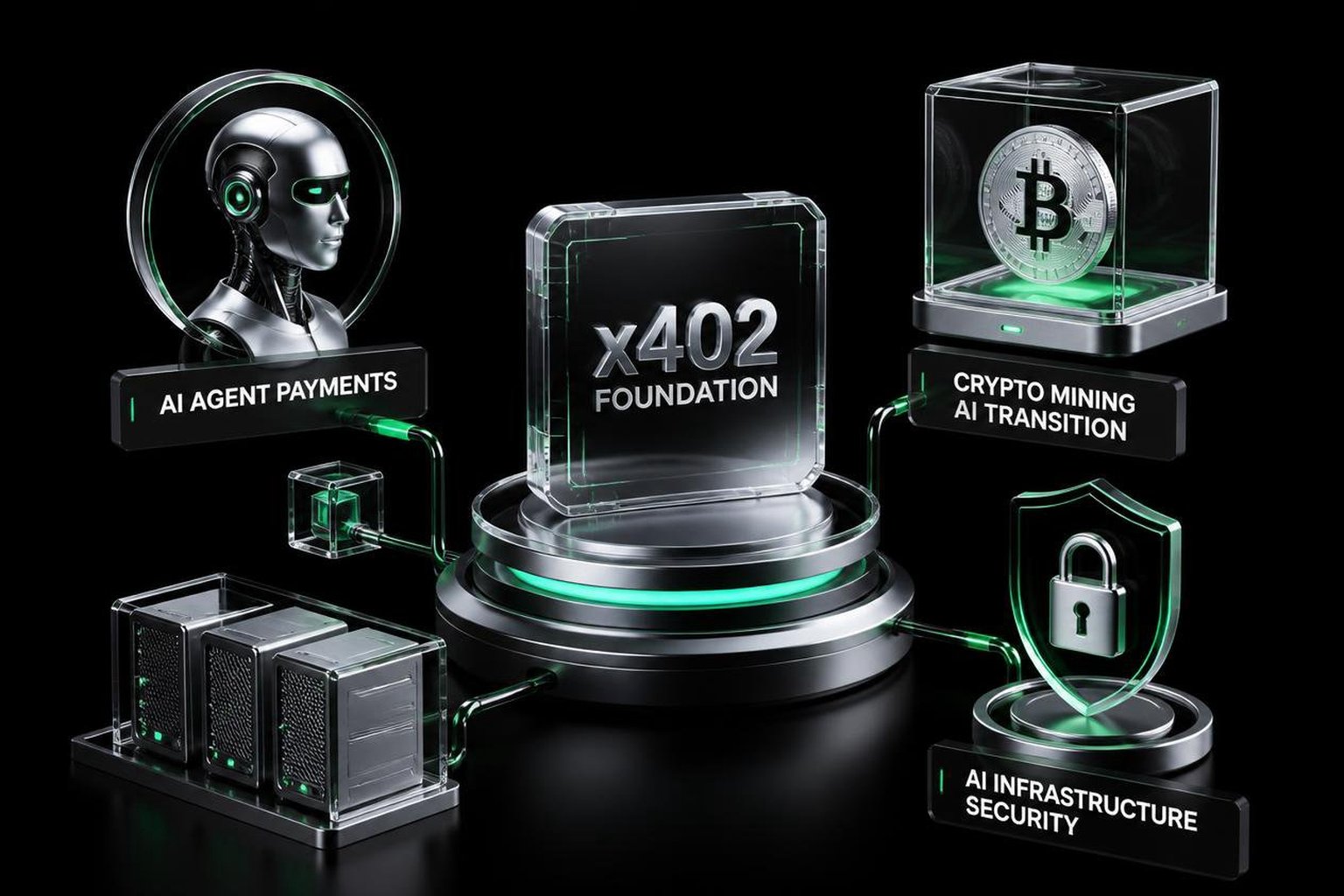
  • AI Agent Payments Enter Their Institutional Era: x402 Foundation Launches, Miners Pivot, Security Warnings Mount

    AI Agent Payments Enter Their Institutional Era: x402 Foundation Launches, Miners Pivot, Security Warnings Mount

    AI Agent Payments Enter Their Institutional Era: x402 Foundation Launches, Miners Pivot, Security Warnings Mount

    This week the AI-blockchain narrative shifts from proof-of-concept to institutional standardization: the x402 Foundation launches, Binance Agent OS goes live, miner AI pivots accelerate, and AI infrastructure itself becomes a concentrated hacking target.

    x402 30-day volume
    75.4M trades
    $24.24M volume

    CDP cumulative x402 payments
    100M+
    Base/Solana

    Listed miners AI contracts
    $70B+
    Hashrate Index

    Bitcoin network hashrate
    940EH/s
    Q3 -6.3% QoQ

    On September 2, Ripple, Coinbase, and Circle joined the Linux Foundation-backed x402 Foundation as founding members to set open standards for AI agent payments. It is the most important event of the week in the AI-blockchain convergence track: three firms representing different infrastructure layers of the stack, the Ripple ledger and RLUSD stablecoin, exchange and custody, and the USDC issuer, are jointly betting on interoperable machine-to-machine settlement rails.

    Almost simultaneously, Binance launched Agent OS, letting AI agents read market data and submit orders on Spot, Futures, and Convert markets; MoonPay extended its PayBox to xAI’s Grok, its third deployment after ChatGPT and Claude. Three signals point to the same fact: AI agent payment rails are moving from single-company experiments toward industry standards and scale.

    1. This Week at a Glance

    The main events in the AI-blockchain track this week (August 31 – September 5):

    First, the x402 Foundation launched with Ripple, Coinbase, and Circle as founding members and Linux Foundation backing, aiming to build cross-chain, multi-asset open standards for AI agent payments. Second, Binance launched Agent OS, allowing AI agents to execute trades on Spot, Futures, and Convert markets with subaccount isolation and funding caps. Third, MoonPay extended PayBox to Grok, covering Solana and multiple EVM chains under the x402 standard. Fourth, at a House Financial Services Committee hearing, Circle President Heath Tarbert said AI agents “don’t stop for nights, weekends, or holidays” and need fast, programmable, always-on rails, stressing the GENIUS Act and agentic identity. Fifth, Bitget launched AI Smart Grid to auto-select assets and rebalance every four hours. Sixth, Hyperscale Data shut its Michigan mine and converted 20MW of compute to an AI hosting contract worth about $1.2 billion.

    2. This Week’s Top 3 Events

    1
    The x402 Foundation launches, moving agent payment rails to institutional standardizationRipple, Coinbase, and Circle jointly joined the Linux Foundation-backed x402 Foundation, breaking the pattern of single-company dominance. x402 has processed 75.4 million transactions and about $24.24 million in volume over the past 30 days, with CDP settling over 100 million payments cumulatively. The jump from “protocol experiment” to “industry standard” means stablecoins and settlement layers face a much larger addressable market over the next 12-24 months, with USDC and XRP both positioned as candidate settlement assets.

    2
    Miner AI pivots accelerate and hashrate slides structurallyHyperscale Data turned off all its Michigan miners on September 1 to switch to a 20MW AI hosting contract worth over $1.2 billion (potentially expandable to $3 billion) and sold about 79% of its BTC holdings. Listed miners have now announced more than $70 billion in AI/HPC contracts, while Bitcoin network hashrate fell from roughly 1,066 EH/s in Q1 to about 940 EH/s in Q3, a 6.3% quarterly decline. Mining losses (a cash cost of about $80,000 per coin) are pushing compute assets toward AI-infrastructure valuation logic.

    3
    AI infrastructure becomes a target, and CISA adds exploits to its catalogOn September 2, CISA added seven actively exploited vulnerabilities, including LiteLLM, Kestra, and Starlette, to its Known Exploited Vulnerabilities catalog, three of which target AI infrastructure. Microsoft and Wiz observed attackers using AI gateways to steal LLM provider API keys, deploy XMRig miners, and establish persistent backdoors. At the same time, the Refi Hub co-founder disclosed being compromised through a malicious link inside a Claude conversation (a poisoned SKILL.md file), exposing AI agents themselves as an attack vector. The moment an agent can move money, the agent’s judgment becomes a target.

    Key signal: Three threads run in parallel this week in AI-blockchain: institutionalized payment rails (the x402 Foundation), assetized compute (the miner AI pivot), and amplified security risk (AI infrastructure under concentrated attack). They converge on one judgment: AI agents are officially becoming the native users of the crypto economy, and the standards, compute, and security surrounding them are being rebuilt at the same time.

    3. Trend Observations

    Across this week’s events, the real common thread is “standards before traffic,” not any single product. The launch of the x402 Foundation means agent payments are escaping the fragmentation of proprietary, siloed efforts and moving toward an interoperable protocol backed by a neutral arbiter like the Linux Foundation. This competes with the agentic commerce push from Visa and Mastercard, and suggests 2026-2027 could be the window when machine-payment network effects lock in.

    At the same time, the security debate is shifting from “token protocol vulnerabilities” to “AI infrastructure itself.” When an AI gateway becomes a concentration point for keys, and when agent skill files can be poisoned, the self-custody and private-key security logic the crypto industry built over years needs recalibrating. The permission boundaries and policy execution layers of agent wallets are becoming the new security frontier.

    4. What to Watch Next Week

    In the week of September 7, watch whether the x402 Foundation discloses more members and initial technical specs, especially the concrete design of settlement layers and cross-chain schemes. Watch whether Binance Agent OS releases early usage data (user numbers, trading volume) to validate real traction for agent trading. Watch whether Hyperscale Data’s first 20MW phase at the Michigan site comes online in late September, tracking the revenue realization pace of the miner AI pivot. And watch continued congressional hearings around AI agent payments, stablecoins, and the GENIUS Act.