作者: MzaZobV4JT53byg

  • 资管份额直接上链破冰,ARK 领跑个案豁免,RWA 市值突破 390 亿美元

    资管份额直接上链破冰,ARK 领跑个案豁免,RWA 市值突破 390 亿美元

    A
    Aurellix
    2026年9月9日
    1 分钟阅读

    今日焦点
    RWA 链上总市值突破 39.2 亿美元,持有者 30 天暴增 112.8% 至 368 万,代币化股票市值站上 3.1 亿美元创历史新高,BlackRock BUIDL 以约 2.8 亿美元重夺代币化美债桂冠。监管与一级市场同步破冰:ARK 申请 SEC 个案豁免欲把基金份额直接代币化上链,CZ 预言 IPO 整体迁移链上。链上采用从「发行」走向「把自己变成链上可登记资产」的 2.0 阶段。

    行业速报

    共 10 条

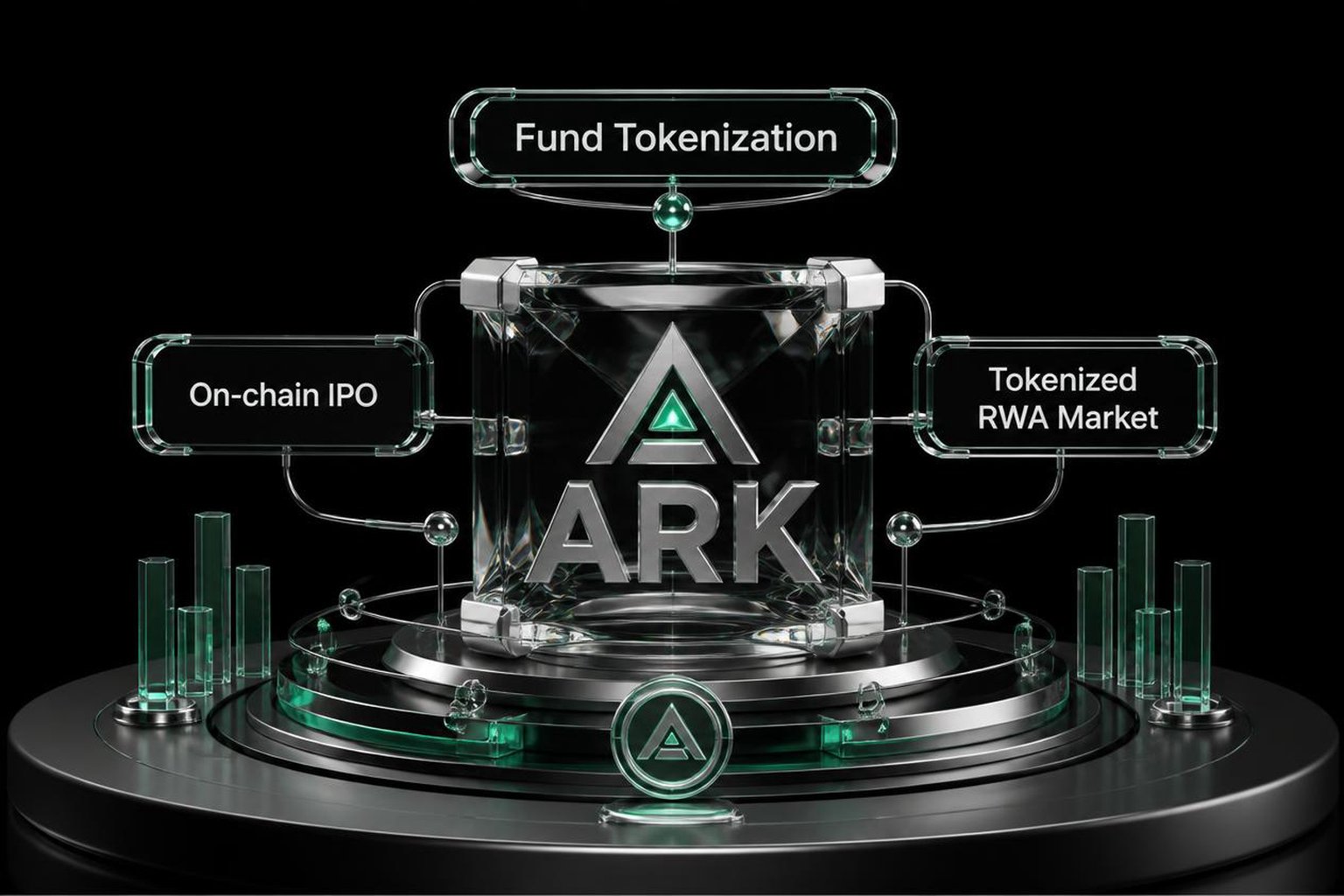
  • ARK 申请 SEC 个案豁免,基金份额可直接代币化上链 — 木头姐旗下 ARK Venture Fund 申请修改豁免令,拟新增「代币化份额」类别,以 DLT 记录所有权、经合格钱包 P2P 转移,9 月 18 日为听证截止;若获批成首家个案豁免上链的美国大型资管。
  • CZ 预言 IPO 将迁移上链,法国 ST Group 已完成全球首个完全代币化发行 — 币安创始人发文「IPOs will move on chain」,法国航空航天供应商 ST Group 已在巴黎 Lise 发行 113,525 股、每股 €18.25、募得 €207 万,承销成本或较传统降逾 70%。
  • RWA 链上总市值突破 39.2 亿美元,持有者单月翻倍至 368 万 — 代币化美债约 15.9 亿、代币化信贷约 8 亿领跑,代币化股票市值突破 3.1 亿创新高;持有者 30 天 +112.8%,反映参与面扩宽而非少数大额铸造。
  • BlackRock BUIDL 重夺代币化美债桂冠,领先 Circle USYC — BUIDL 以约 2.8 亿美元(18.5% 市占)反超 USYC,代币化美债市场规模约 15.9 亿;从单一发行方走向充分竞争,Sky uSDS 亦在前列。
  • 21 家国际银行联手成立稳定币公司,2027 上半年发美元稳定币 — 高盛、美银、花旗、瑞银、德银等五洲 21 家机构拟下半年设合资公司,首推美元稳定币,瞄准批发、机构与零售结算,并遵循 GENIUS 法案与 MiCA。
  • Solana 30 天 RWA 净流入 3.48 亿美元领跑全网 — 分布式 RWA 达约 42.3 亿美元、持有地址 39.9 万,BlackRock、Franklin、VanEck、Circle、Ondo 等产品齐上链,领跑各公链 30 天净流。
  • Chainlink 链上 RWA 累计值破 3400 亿美元 — 覆盖主权债、货币市场基金、大宗商品与法币储备证券,麦肯锡预测 2030 年全球代币化市场或达 2-4 万亿美元,CCIP 周交易量曾超 13 亿美元。
  • DTCC DTC 代币化服务 10 月商业上线 — 7 月已与约 40 家机构完成生产级测试并获 SEC 无异议函,10 月全面推出,重点提升抵押品利用率,DTCC 从开发转入生产纪元。
  • Datavault AI 9 月 15 日上线 IDE,数据资产代币化交易平台落地 — 纳斯达克上市公司上线 Information Data Exchange,覆盖数据与 RWA 的识别、认证、估值、代币化与交易,同步推出运动员权益平台 NILv,CEO 强调「代币化本身并不能创造市场」。
  • 稳定币市场站上 3030 亿美元,月转账量 7.17 万亿 +48.8% — USDT 约 1833 亿、USDC 约 734 亿领跑,银行系与开放联盟双线入局,稳定币正从交易介质升级为代币化结算的储备与抵押品底座。
  • Fund Shares Go Directly On-Chain: ARK Leads the SEC Case-by-Case Exemption as Tokenized RWA Value Tops $39B

    Fund Shares Go Directly On-Chain: ARK Leads the SEC Case-by-Case Exemption as Tokenized RWA Value Tops $39B

    Fund Shares Go Directly On-Chain: ARK Leads the SEC Case-by-Case Exemption as Tokenized RWA Value Tops $39B

    Total On-Chain RWA Value
    $39.2B
    Sep 8 · ex-stablecoins

    RWA Holders
    3.68M
    +112.8% in 30 days

    Tokenized Stock Value
    $3.1B
    From <$1B YTD to record

    Tokenized Treasuries
    $15.9B
    BUIDL $2.8B retakes lead

    ARK Files for SEC Case-by-Case Exemption to Put Its Fund Shares Directly On-Chain

    September 8, 2026 · PANews / CoinGape
    On September 8, The Rollup founder Andy revealed that a major fund has received the SEC’s “green light” to tokenize its fund shares on-chain; coincidentally, SEC filings show ARK Venture Fund is applying to amend its existing exemption order. If approved, ARK would become the first major U.S. asset manager to list tokenized securities via a case-by-case exemption — a signal that traditional asset management is moving from “issuing on-chain assets” to “turning its own fund shares into tokenized securities that can be registered and transferred on-chain,” the 2.0 phase.
    • ARK’s application adds two new share classes: an “Exchange Class” (listable on a national securities exchange) and a “Tokenized Class” (DLT-based ownership records), with the latter as the core focus
    • Tokenized shares could be traded via regulated ATS venues, other quotation mechanisms, and P2P transfers between eligible wallets — conditional on the transfer agent completing KYC/AML whitelist checks on holding wallets
    • ARK Venture Fund is a closed-end interval fund investing in OpenAI, Anthropic, Figure AI, Tenstorrent, and pre-IPO SpaceX, with a $500 minimum subscription; tokenization aims to solve the liquidity pain of the interval fund’s quarterly 5% fixed repurchase
    • Risk note: secondary trading prices of on-chain shares may deviate from the fund’s daily NAV; September 18 is the hearing request deadline, and results are expected shortly after if no hearing is held
    Regulatory Path
    With the universal “innovation exemption” still in flux, case-by-case exemptions open a pilot window for top institutions

    Industry Significance
    Approval would give the entire asset-management industry a standardized reference path for putting fund shares directly on-chain

    Potential Impact
    Could later combine with stablecoins and lending protocols to create financial composites hard to build in traditional markets

    Source: PANews · CoinGape · September 8, 2026

    CZ Predicts IPOs Will Move On-Chain as France’s ST Group Completes the World’s First Fully Tokenized Offering

    September 8, 2026 · Crypto News / Coinlive
    Binance founder Changpeng Zhao (CZ) posted on X on September 8, “IPOs will move on chain,” predicting that traditional initial public offerings will migrate entirely to the blockchain. This goes further than his earlier “tokenize everything” stance — advancing from secondary tokenization of stocks to primary issuance and listing infrastructure. French aerospace and defense supplier ST Group completed the world’s first fully tokenized IPO this April on Paris-based Lightning Stock Exchange (Lise), issuing 113,525 shares at €18.25 each under the EU’s DLT Pilot Regime, raising €2.07 million.
    • Unlike products offering only synthetic exposure, ST Group issued regulated shares through a blockchain-based market from the initial offering stage, giving investors legal equity rather than mere price-tracking tokens
    • On-chain IPOs can automate the issuance process via smart contracts, cutting underwriting costs by more than 70% from the traditional 5%-7%; 24/7 global trading removes geographic and liquidity constraints
    • Nasdaq received SEC approval for a tokenized-securities pilot in March, and the NYSE filed a similar rule change in April; DTCC completed production-grade testing with about 40 firms in July, with a broader launch expected in October
    • Binance’s bStocks holds roughly 21% of on-chain RWA infrastructure ($627.5M), with Circle Internet Group ($103.6M) and SpaceX ($63.4M) leading trading turnover; Anthropic’s pre-IPO perpetuals surged on both Binance and Hyperliquid, implying a valuation near $2 trillion
    Primary Market
    CZ’s direction is right but premature: on-chain issuance for private markets is live, while mainstream IPOs still need register, settlement, and secondary layers to knit together

    Emerging Markets
    88% of perpetual users come from emerging markets; on-chain IPOs could reshape cross-border investment barriers by enabling “anyone with a wallet to participate”

    Compliance Boundary
    The SEC is clear that tokenization does not alter registration, disclosure, or investor-protection obligations; rights structure differences remain the key issue

    Source: Crypto News · Coinlive · September 8, 2026

    On-Chain RWA Value Tops $39.2B, Holders Double to 3.68M in a Month as Tokenized Stocks Hit New Highs

    September 8, 2026 · Stobox / RWA.xyz / Token Terminal
    RWA.xyz data shows that distributed on-chain tokenized RWA value reached about $39.2 billion (excluding stablecoins) as of September 8, up sharply from roughly $12 billion in mid-2025; total holders reached 3,681,140, up 112.81% in 30 days. Tokenized Treasury funds account for about $15.9 billion and tokenized credit about $8 billion; tokenized stock value crossed $3.1 billion in early September, climbing steadily from under $1 billion at the start of the year.
    • Holders doubling in 30 days against relatively flat distributed value signals broadening participation rather than a few large mints — the most telling adoption metric
    • Tokenized ETFs are roughly 21% of total market value ($644M), led by SPY, QQQ, and IVV wrappers; Ondo leads assets at $857M while Robinhood (862K) and Binance bStocks (827K) lead holders
    • Another $386.9 billion of “represented value” uses blockchain mainly as a recordkeeping layer, so investors cannot freely hold and transfer those assets in their own wallets; the distributed/represented gap is the honest caveat when evaluating AUM
    • BlackRock’s BUIDL retook the tokenized-Treasury crown at about $2.8 billion (18.5% share), ahead of Circle’s USYC, showing the category maturing into genuine competition rather than a one-issuer franchise
    • The defining open challenge is liquidity: most tokenized Treasuries and credit still mint and redeem rather than trade actively in secondary markets
    Adoption Inflection
    Monthly holder doubling signals both retail and institutional entry, moving the category from demo to real

    Diverging Landscape
    Ondo leads assets while Robinhood/Binance lead wallets: distribution reach and institutional depth are two different contests

    Liquidity Challenge
    Most assets still mint and redeem; active secondary trading becomes the sector’s defining bottleneck for the next phase

    Source: Stobox · RWA.xyz · Token Terminal · September 8, 2026

    Datavault AI to Launch IDE Asset-Tokenization Trading Platform on September 15

    September 9, 2026 · PANews / Businesswire
    Nasdaq-listed Datavault AI announced it will launch the Information Data Exchange (IDE), an asset-tokenization trading platform, on September 15, 2026. The platform supports the identification, authentication, scoring, valuation, tokenization, and monetization of data and other real-world assets (RWA), while letting data owners retain ownership and control of the underlying data. CEO Nathaniel Bradley stressed that “tokenization itself does not create a market,” and the goal is to build complete infrastructure spanning asset identification, authentication, valuation, tokenization, trading, and settlement.
    • Datavault AI will also launch NILv, a trading platform for athletes’ commercial rights, and APEX, a blockchain-based data and advertising trading platform
    • Positioned as a data+RWA dual entry point, shifting from “issuing tokens” to “building full market infrastructure,” echoing the industry’s deeper push toward compliance and liquidity
    • Datavault previously flagged an $800M RWA tokenization pipeline; the IDE launch may mark its first public delivery milestone
    New Asset Class
    Data as identifiable, valuable, and tradable RWA adds a new supply source to the market

    Infrastructure
    Emphasis on end-to-end infrastructure over single issuance points to secondary liquidity and settlement buildout

    Listed Backing
    A Nasdaq-listed company entering the space strengthens traditional capital-market confidence in tokenization platforms

    Source: PANews · Businesswire · September 9, 2026

  • RWA 早报 | 2026年9月9日

    RWA 早报 | 2026年9月9日

    资管份额直接上链破冰,ARK 领跑 SEC 个案豁免,RWA 链上市值突破 390 亿美元

    RWA 链上总市值
    $39.2亿
    9/8 · 不含稳定币

    RWA 持有者
    368万
    30 天 +112.8%

    代币化股票市值
    $3.1亿
    年初不足 $1亿 → 新高

    代币化美债
    $15.9亿
    BUIDL $2.8B 重夺第一

    ARK 申请 SEC 个案豁免,木头姐要把基金份额直接代币化搬上链

    2026年9月8日 · PANews / CoinGape
    The Rollup 创始人 Andy 于 9 月 8 日透露,一家大型基金已获 SEC「绿灯」,允许其基金份额以代币化形式上链;巧合的是,SEC 最新文件显示 ARK Venture Fund 正申请修改既有豁免令。若获批,ARK 将成为首家凭借个案豁免上线代币化证券的美国大型资管机构,标志传统资管从「发行链上资产」迈向「把自身基金份额直接变成链上可登记、可转移的代币化证券」的 2.0 阶段。
    • ARK 申请新增两大份额类别:「交易所类份额」(可在全国性交易所挂牌)+ 「代币化份额」(DLT 记录所有权),后者为核心
    • 代币化份额可通过受监管 ATS 交易、报价机制流转及合格钱包间 P2P 转移,前提是转让代理对持币钱包完成 KYC/AML 白名单审核
    • ARK Venture Fund 为封闭式间隔基金,投资 OpenAI、Anthropic、Figure AI、Tenstorrent 及上市前 SpaceX,最低认购 $500,代币化意在破解间隔基金季度 5% 固定回购的流动性痛点
    • 风险提示:链上份额二级交易价可能偏离基金每日净值(NAV);9 月 18 日为听证申请截止,无听证则很快公布结果
    监管路径
    普适性「创新豁免」难产背景下,个案豁免为头部机构试点开口子

    行业意义
    获批后整个资管业将获得「基金份额直接上链」的标准化参考路径

    潜在影响
    未来或与稳定币、借贷协议组合,衍生传统市场难实现的金融合成品

    来源:PANews · CoinGape · 2026年9月8日

    CZ 预言 IPO 将迁移上链,法国 ST Group 已率先完成全球首个完全代币化发行

    2026年9月8日 · Crypto News / Coinlive
    币安创始人赵长鹏(CZ)9 月 8 日在 X 上发文「IPOs will move on chain」,预言传统首次公开募股将整体迁移至区块链。这比此前「让一切代币化」更进一步——从股票的二级代币化推进到一级发行与挂牌基建。法国航空航天与国防供应商 ST Group 今年 4 月已在巴黎 Lightning Stock Exchange(Lise)完成全球首个完全代币化 IPO,在欧盟 DLT 试点制度下发行 113,525 股、每股 €18.25,募得 €207 万。
    • 与传统「合成敞口」不同,ST Group 从首发阶段即通过区块链市场发行受监管股票,投资者获得的是法定股权而非仅价格跟踪的代币
    • 链上 IPO 可借智能合约将发行流程自动化,承销成本较传统 5%-7% 或降逾 70%;24/7 全球交易打破地域与流动限制
    • 纳斯达克 3 月获 SEC 批准代币化证券试点,NYSE 4 月提交类似规则变更;DTCC 7 月完成约 40 家机构生产级测试,预计 10 月全面上线
    • 币安旗下 bStocks 约占链上 RWA 基建 21%($627.5M),Circle 互联网集团 $103.6M、SpaceX $63.4M 领跑交易额;Anthropic 上市前永续在 Binance/Hyperliquid 双双放量,隐含估值近 $2 万亿
    一级市场
    CZ 预判方向正确但时机超前:私营市场链上发行已落地,主流 IPO 仍需登记+结算+二级层打通

    新兴市场
    88% 永续用户来自新兴市场,链上 IPO 或让「有钱包即可参与」重塑跨境投资门槛

    合规边界
    SEC 明确代币化不改变证券登记、披露与投资者保护义务,权益结构差异仍是关键

    来源:Crypto News · Coinlive · 2026年9月8日

    RWA 链上总市值突破 $39.2B,持有者单月翻倍至 368 万,代币化股票再创新高

    2026年9月8日 · Stobox / RWA.xyz / Token Terminal
    RWA.xyz 数据显示,截至 9 月 8 日链上分布式代币化 RWA 总市值约 $39.2 亿(不含稳定币),较 2025 年中的约 $12 亿大幅跃升;总持有者达 3,681,140 位,30 天暴增 112.81%。代币化美债基金约 $15.9 亿、代币化信贷约 $8 亿领跑分项;代币化股票市值在 9 月初突破 $3.1 亿,从年初不足 $1 亿持续走高。
    • 持有者 30 天翻倍、而分布式价值相对走平,说明是参与面扩宽而非少数大额铸造——是最值得关注的采纳指标
    • 代币化 ETF 约占总市值 21%($6.44 亿),SPY、QQQ、IVV 包装产品居前;Ondo 以 $8.57 亿领跑资产,Robinhood(862K)与 Binance bStocks(827K)领跑持有者
    • 另 $386.9 亿「代表值」仅以区块链做记账层,投资者无法在自有钱包自由持有与转移,分布式/代表值差异是评估 AUM 的诚实约束
    • BlackRock BUIDL 以约 $2.8 亿(18.5% 市占)重夺代币化美债桂冠,领先 Circle USYC,反映代币化国债从单一发行方走向充分竞争
    • 主要公开挑战是流动性:多数代币化美债与信贷仍是铸造/赎回而非活跃二级交易
    采纳拐点
    持有者月翻倍预示零售与机构双向入场,类别从演示走向真实

    格局分化
    Ondo 领资产、Robinhood/Binance 领钱包:分发广度与机构深度是两场不同竞赛

    流动性课题
    多数资产仍铸造赎回,活跃二级交易成为板块下一阶段的核心瓶颈

    来源:Stobox · RWA.xyz · Token Terminal · 2026年9月8日

    Datavault AI 将于 9 月 15 日上线 IDE,数据资产代币化交易平台落地

    2026年9月9日 · PANews / Businesswire
    纳斯达克上市公司 Datavault AI 宣布将于 2026 年 9 月 15 日正式上线资产代币化交易平台 Information Data Exchange(IDE),支持数据及其他现实世界资产(RWA)的识别、认证、评分、估值、代币化及货币化,同时允许数据所有者保留底层数据的所有权与控制权。公司 CEO Nathaniel Bradley 强调「代币化本身并不能创造市场」,目标是构建覆盖资产识别、认证、估值、代币化、交易及结算的完整基础设施。
    • Datavault AI 将同步上线运动员商业权益交易平台 NILv,以及基于区块链的数据与广告交易平台 APEX
    • 定位数据+RWA 双入口,从「发行代币」转向「搭建完整市场基础设施」,呼应行业向合规与流动性深耕的趋势
    • 此前 Datavault 曾预告 $8 亿 RWA 代币化管道,IDE 上线或为其首个公开兑现节点
    新资产类
    数据作为可识别、可估值、可交易的 RWA,为市场新增供给来源

    基础设施
    强调全流程基建而非单一发行,指向二级流动性与结算能力建设

    上市背书
    纳斯达克上市公司下场,传统资本市场对代币化平台信心增强

    来源:PANews · Businesswire · 2026年9月9日

  • 法国9.4亿美元加密税基撞上DAC8自动交换,波兰成欧盟唯一监管缺口

    法国9.4亿美元加密税基撞上DAC8自动交换,波兰成欧盟唯一监管缺口

    法国9.4亿美元加密税基撞上DAC8自动交换,波兰成欧盟唯一监管缺口

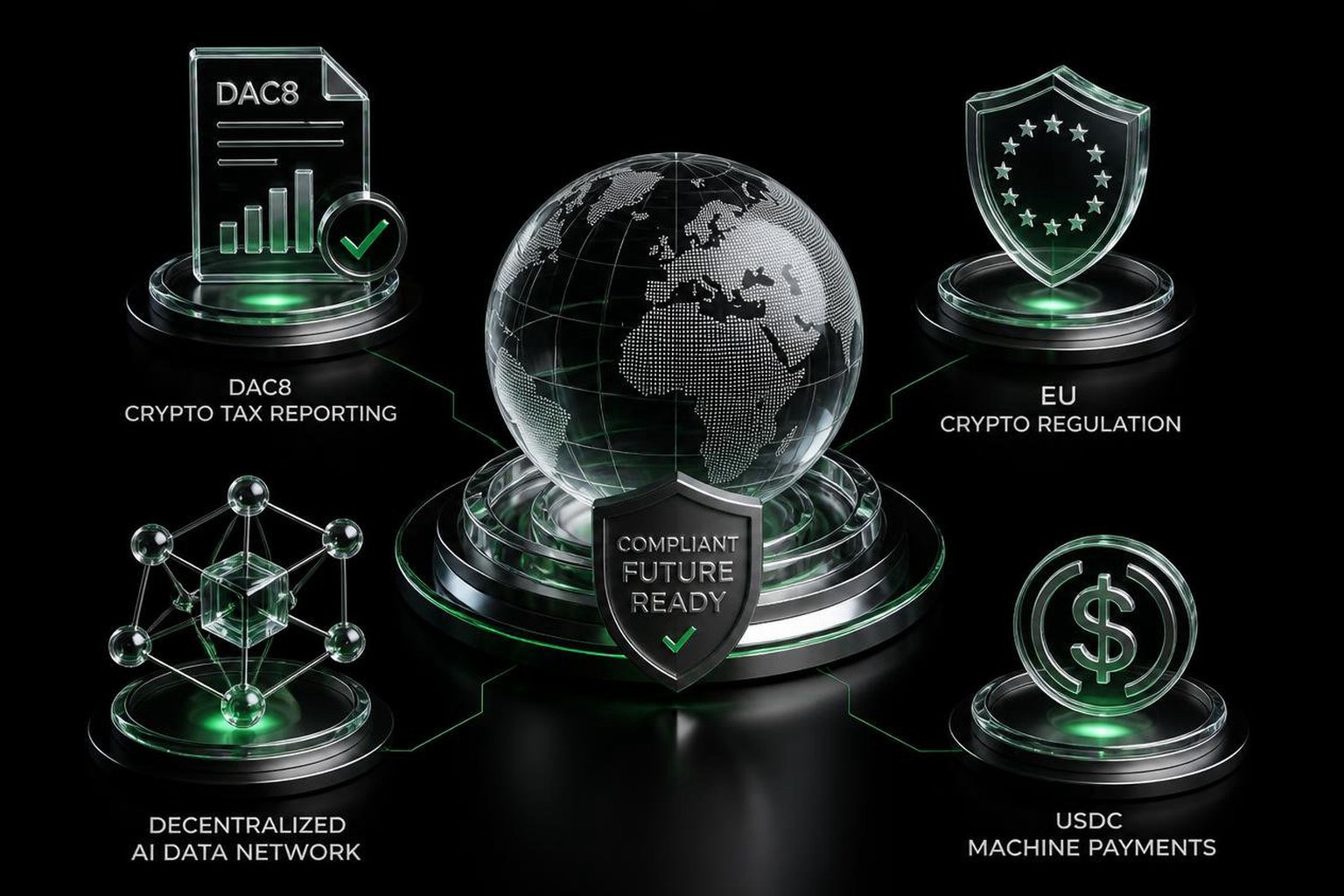
    欧盟数据交换收紧与去中心化AI数据市场的扩张同步发生,合规的能见度与不可见的链上活动正在被重新划界。

    法国潜在应税加密活动
    $94亿
    2025年 · Chainalysis

    2024年申报资本利得
    €3.68亿
    约2.4万人申报

    波兰议会否决翻盘票差
    25票
    三度未过2/3多数

    Silencio语音数据贡献者
    250万+
    覆盖185国 / 1000+语言

    本周欧洲出现两条方向相反的信号。Chainalysis估算法国2025年潜在应税的链上加密活动高达94亿美元,而同年纳税申报里实际披露的资本利得只有3.68亿欧元;另一边,波兰议会连续第三次未能推翻总统对MiCA配套法案的否决,成为欧盟境内唯一没有可运行监管框架的成员国。数据交换机制在收紧,监管版图却留下空洞。

    与这两条监管线并行的是AI与区块链的融合正在欧洲长出实体。柏林孵化器Advanced Blockchain AG旗下Silencio,靠每周用USDC给全球贡献者结算语音数据,把AI实验室紧缺的低资源语言语料变成了可交易的资产,收入季度环比翻了约三倍。

    一、DAC8开启的自动交换:能见度只覆盖14%

    欧盟DAC8指令2026年1月1日起在整个欧盟适用,加密资产服务商开始采集欧盟居民的报税身份与可报告交易信息。按欧盟委员会的时间表,覆盖2026年首个报告期的数据,必须在2027年9月30日前在各成员国税务机关之间完成交换。现有用户原则上须在2027年1月1日前提交有效的税收居民自我认证。

    但Chainalysis的测算给这套机制划了边界。它估算CARF实际能触达的链上活动只占其识别的潜在应税活动的14%,其余86%分布在去中心化交易所、点对点转账、链上收入与支付等没有中心化中介的区域。集中式交易所靠KYC账户能把交易连到人,DeFi协议未必有持有同样识别信息的运营商。

    关键信号:DAC8/CARF是围绕中心化中介搭建的,它显著提升了对交易所和托管钱包的可见度,却默认了自托管、DeFi和P2P的大部分链上行为落在直接报告范围之外。这不是监管失效,而是监管技术路线的一次明确取舍。

    二、法国税基:数字很大,但并非欠税清单

    Chainalysis把法国的94亿美元拆成三块:约25亿美元已实现资本利得、17亿美元收入(挖矿、质押、借贷)、52亿美元加密支付(商户与点对点经济)。研究覆盖比特币、以太坊、Solana、Tron、BNB Smart Chain与Base六条链,且明确提示集中式交易所内部的链下活动并未纳入,因此实际总量可能被低估。

    关键是不能把这94亿直接读成”法国人逃了94亿的税”。Chainalysis用的是”潜在应税活动”这一表述,它对应的是税收意义上可能产生义务的链上经济活动,最终是否计税、按什么税率,取决于法国国内法和个人情况。瑞典监管层曾披露,其抽查的加密用户中超九成未正确申报,但法国并没有公布对等比例。

    2024纳税年度,法国约2.4万名纳税人申报了3.68亿欧元加密资本利得,相比2023年的7700人和1.508亿欧元已有明显增长。这个数字与94亿美元的估算属于不同年度、不同币种、不同口径,不能直接相减。真正的变化会出现在2027年,届时税务机关将第一次能把中介报告、本国申报与他国交换的数据并到一起比对。

    三、波兰:欧盟里唯一的监管空白

    波兰的下议院上周以241票对198票、3票弃权再次试图推翻总统对加密法案的否决,距离所需的266票还差25票。总统纳夫罗茨基坚持他支持加密监管本身,但反对赋予金融监管局KNF无需法院令即可封禁网站的权限,也担心合规成本过高。这是该法案第三次被否决。

    后果很具体。MiCA已在欧盟层面适用,但每个成员国必须指定本国主管机关来落地牌照与执法,波兰至今没有这一机构。想要提供受监管加密服务的华沙公司,无法找本国监管拿MiCA牌照,只能去其他成员国申请,再借助欧盟护照制度回流。外国已获牌照机构反而能无障碍进入波兰市场,形成本地企业被夹在中间的局面。

    这一僵局又和Zondacrypto(前BitBay)的刑事案件纠缠在一起。检方估算该案投资者损失至少3.5亿兹罗提(约9500万美元),已拘留包括波兰奥委会主席在内的五名嫌疑人,其爱沙尼亚运营商被宣告破产,首个债权人会议定于9月17日。总理图斯克把案件当作推动立法的政治杠杆,总统则警告过度监管会逼走合法企业。

    四、深度分析:去中心化的另一面

    1
    合规能见度是有边界的法国税基与DAC8覆盖率的对比说明,围绕中介的自动交换再高效,也只对”留在交易所里”的用户完整。自托管与DeFi用户的选择,是一种降低可观察性的行为,也落在监管技术暂时够不到的地带。

    2
    中心化与去中心化在加速分化欧盟用DAC8把中心化平台的可见度推向极限,而Silencio这类项目用USDC给全球贡献者即时结算,把数据采集本身去中心化。同一周里,监管在收拢能看到的东西,市场在扩张看不到的东西。

    3
    AI数据缺口催生真实支付场景Silencio把英文、普通话之外、几乎无法从公开网络抓取的语料做成了生意。250万贡献者分布185国,覆盖超1000种语言,语音数据超50万小时,2026年两个季度内营收从约10万美元增至30万美元。USDC在这里不是投机工具,而是跨国小额高频结算的实际介质。

    4
    波兰空缺是政策摩擦而非技术失败欧盟统一规则与成员国落地之间的落差,在波兰被放大成三年三次否决。这提醒从业者,MiCA的生效不等于各市场同时开放,牌照策略必须逐个成员国核对实际主管机关与执法节奏。

    五、结论:能见度的经济学

    法国税基与DAC8的14%覆盖率,说明监管透明是有成本的,也是有限度的。对从业者而言,两条值得留意的线,一是2027年第一次DAC8数据交换落地时,税务机关的比对能力将首次被实战检验;二是AI数据市场用稳定币支付建立的全球结算网络,正在把”看不见的链上活动”从监管灰色地带变成一项有明确商业对价的业务。前一条线在收拢能见度,后一条线在创造新的经济事实。

  • Two Roads Diverge: South Korea’s Law-First Tokenized Securities Meet Robinhood’s Speed-First Sprint

    Two Roads Diverge: South Korea’s Law-First Tokenized Securities Meet Robinhood’s Speed-First Sprint

    Two Roads Diverge: South Korea’s Law-First Tokenized Securities Meet Robinhood’s Speed-First Sprint

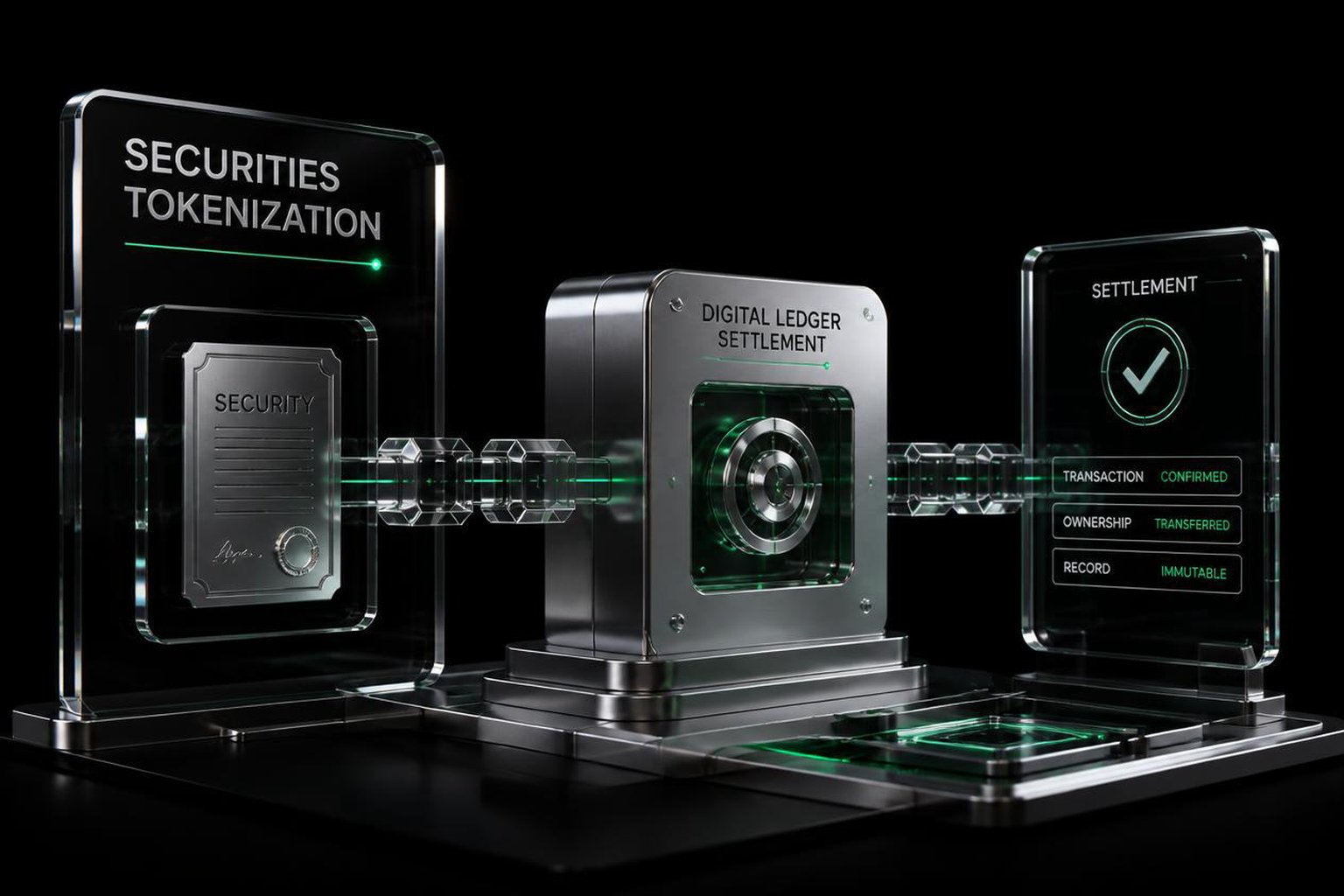
    In the same week, Asia and North America offered two extreme answers to securities tokenization: South Korea wrote the “legal identity” of tokenized securities into securities law, while Robinhood wrapped stocks into offshore debt tokens and pushed them on-chain. The rule fight is turning into an infrastructure race over the authoritative ledger and settlement finality.

    Article Summary

    On September 4, South Korea’s Financial Services Commission (FSC) unveiled a three-phase roadmap for securities tokenization, with the amended Electronic Securities Act taking effect on February 4, 2027, making Korea the world’s first major economy to define the legal status, asset categories, and infrastructure timeline of tokenized securities through dedicated legislation. On the same day, the CEO of AMC publicly condemned Robinhood for tokenizing its stock without authorization, pointing out that the “offshore debt token” structure operates outside securities law. The two paths reveal the heart of the same race: the outcome for tokenized securities no longer hinges on “which assets can go on-chain,” but on “who holds the authoritative shareholder register and how settlement finality is recognized.”

    South Korea’s Roadmap: Writing “Legal Identity” Into Securities Law First

    On September 4, South Korea’s Financial Services Commission (FSC) and the Financial Supervisory Service (FSS) held the third public-private consultative meeting on security tokens at the Seoul office of the Korea Securities Depository (KSD), publishing a three-phase roadmap for securities tokenization. The amendments to the Electronic Securities Act and the Capital Markets Act, passed on January 15, 2026, will take effect on February 4, 2027. The opening paragraph of the roadmap sets out the core principle: token securities are a third form of issuance alongside paper securities and electronic securities, subject to the existing framework for securities registration, information disclosure, and intermediary licensing. This means Korea has chosen to fold tokenization into its existing securities law system rather than create a separate regulatory sandbox for it.

    The first-phase product selection is deliberately restrained to contain operational risk. For funds, only private money market funds (Private MMFs) for institutional investors open first; for bonds, private corporate bonds; for stocks, the entry point is unlisted equity through a trust beneficiary certificate structure, with the underlying shares remaining in the existing registration system and investors holding tokenized trust beneficiary certificates. Fractionalized investment products already offered to the public are also in the first batch. FSC Vice Chairman Kwon Dae-young said authorities would lay foundations for the tokenized issuance and circulation of more traditional securities including stocks, bonds, and funds, with the “ultimate goal of completely transforming and upgrading capital market infrastructures for digital connectivity.”

    “Authorities will seek to lay foundations to facilitate the tokenized issuance and circulation of more traditional types of securities, including stocks, bonds, and funds, with an ultimate goal of completely transforming and upgrading capital market infrastructures for digital connectivity.”
    — Kwon Dae-young, Vice Chairman, Financial Services Commission (FSC), September 4, 2026

    The supporting details are worth noting. Licensed securities firms can operate tokenized securities directly without an additional license; non-financial institutions that want to manage investor accounts for their own token securities must hold paid-in capital of at least KRW 4 billion (about $3 million) and staff dedicated account-management, compliance, and IT personnel. OTC trading platforms must first obtain a consultation license from the Financial Supervisory Service, retail investors face an annual net-purchase cap of KRW 100 million (about $74,000) on OTC platforms, and the single-subscription cap for fractionalized products is KRW 30 million (about $22,000) or 5% of a single issuance, whichever is lower. KSD remains the electronic registrar on the shared ledger and is finalizing technical acceptance standards for securities firms. The FSC plans to release a draft revision of subordinate rules by the end of September for public consultation.

    Phase Timing & Key Scope Settlement Design
    Phase 1 Effective 2027/2/4; private MMFs, private bonds, unlisted shares via trust, fractionalized products KSD as electronic registrar; securities firms manage interest/redemption rights
    Phase 2 Undated; extends to publicly offered securities, KRX leads listed-stock tokenization pilot References NYSE, Nasdaq pilots; depends on Phase 1 stability & cross-ledger interoperability
    Phase 3 Introduces stablecoins as on-chain settlement instrument, securities and cash settle on the same ledger Shift toward T+0; precondition is stablecoin legislation (issuer capital floor KRW 5 billion)

    Neither Phase 2 nor Phase 3 has a fixed date. The FSC listed four variables driving progress: the system stability and operating efficiency of Phase 1, the technical maturity of market participants, interoperability between different distributed ledgers, and the progress of Korea’s stablecoin legislation. The goal of Phase 3 is to build on-chain settlement infrastructure, with securities trading and cash settlement completed simultaneously on the same ledger and stablecoins as the settlement instrument, moving the market from the T+2 cycle toward near-real-time finality. In the roadmap, the FSC cited BlackRock’s BUIDL tokenized fund and Hong Kong’s tokenized green bonds as reference cases. Korea’s stablecoin legislation is advancing separately, with proposals currently requiring stablecoin issuers to hold minimum capital of at least KRW 5 billion (about $3.7 million).

    Robinhood’s Sprint: Wrapping Stocks in Offshore Debt Tokens, Running First and Catching Up Later

    In stark contrast to Korea’s “legislation-first” approach stands Robinhood’s “speed-first.” Robinhood Chain launched on July 1, 2026, and has listed more than 190 stock and ETF tokens, adding 100 in a single batch on August 13. According to The Block, the entire tokenized-stock market has swelled from $2.5 billion at the start of 2026 to $13.4 billion as of September 1. Robinhood’s structure: it wraps stocks into “tokenized debt securities” issued through the offshore Channel Islands entity Robinhood Assets (Jersey) Limited. Holders get price exposure rather than legal ownership, with no voting rights, no shareholder protections, and the tokens cannot be offered to U.S. investors.

    On September 3-4, AMC Entertainment CEO Adam Aron launched a blistering attack on X, calling the practice “contemptible, outrageous, disgusting, detestable, inexcusable, vile,” and threatening a formal complaint to the U.S. Securities and Exchange Commission (SEC) over Robinhood’s unauthorized tokenization of AMC stock. Aron pointed out that AMC spends millions of dollars a year complying with U.S. securities law, while Robinhood issues unregistered tokens through an offshore entity about 3,000 miles away, bypassing the compliance costs issuers must bear. Robinhood CEO Vlad Tenev responded with just four words: “What’s the concern?”

    “How can it possibly be legal? We have no connection to this at all, and do not condone it in any way.”
    — Adam Aron, CEO, AMC Entertainment, on X, September 2026

    The dispute cuts to the most fundamental legal gap in tokenized securities. Aron is not the first opponent: OpenAI rejected a similar Robinhood tokenization of its own shares in 2025 on nearly identical grounds. The AMC fight draws more attention because it owns one of the loudest retail followings on Wall Street: during the 2021 meme-stock era, Aron leveraged retail-driven high prices to issue equity, repay debt, and pull the cinema chain back from insolvency, while token holders generate no issuance proceeds for the company. The conflict exposes the core question: when the company being tokenized itself objects, what is the legal basis for this market? The SEC has so far stayed silent on where tokenized stocks sit under existing securities law, and that silence is exactly the gap in which Robinhood, Kraken, and Coinbase have built their products.

    Global View: The Authoritative Ledger and Settlement Finality Are the Decisive Factors

    Placing Korea’s “legislation-first” and Robinhood’s “sprint” into the same week’s global picture reveals a clearer arc. On September 1, the London Stock Exchange Group (LSEG) announced a partnership with Payward, owner of Kraken, to list tokenized shares of the top 100 UK-listed companies as xStocks on LSE 24, its planned 24-hour trading venue launching in the first half of 2027, while assessing how its Digital Securities Depository could support settlement and asset servicing for tokenized equities. Last week, Japan announced a state-led study group for a blockchain settlement system covering stocks and Japanese government bonds, aiming to compress the stock T+2 and bond T+1 settlement cycles toward near-real time, with potential launch in the early 2030s by tokenizing a portion of banks’ reserve accounts at the central bank into a wholesale CBDC. The EU’s DLT Pilot Regime is also exploring a hybrid path of building infrastructure first, gradually opening permissions, and preserving DeFi composability.

    Boston Consulting Group (BCG) estimates Korea’s tokenized securities market could reach KRW 367 trillion (about $249 billion) by 2030, but that depends on whether Phases 2 and 3 advance on schedule. Each path carries its own cost. Robinhood won scale through speed, reaching roughly $88 million in on-chain tokenized assets within two months and over $1.5 billion in daily DEX trading volume, but it also bought CEO conflict, potential SEC scrutiny, and an unresolved question. Korea is almost certain not to produce an “AMC-style” dramatic scenario, and its cost is speed: a full year from legislation to effect, Phase 1 opening only private products, and a completely undetermined timeline for public securities and on-chain settlement. The race has just begun, but the shape of the track is becoming clear.

    Key Takeaways for Practitioners

    1
    “Legal identity” is the first hurdle for tokenized securities
    Korea offers a clear reference: first confirm through legislation that token securities are a third form alongside paper and electronic securities, then discuss infrastructure and settlement. Any practitioner advancing securities tokenization within a compliant framework should clarify at the product-design stage what legal status the underlying asset holds in the target jurisdiction, whether it is genuine equity or a debt token carrying only price exposure, because that determines every downstream compliance obligation and investor-protection arrangement.

    2
    The legal risk of the sprint model is surfacing
    Robinhood’s “put it on-chain first, catch up later” model won on scale, but the AMC fight shows that when the tokenized company itself objects, the market lacks a solid legal foundation. Offshore debt tokens may sidestep U.S. securities law, but they also give up voting rights and shareholder protections, leaving holders with the structural risk of “price exposure without ownership.” The uncertainty of SEC complaints and regulatory responses facing this model is a tail risk that rapid expansion cannot ignore.

    3
    Infrastructure and settlement layers become the new competitive focus
    From Korea’s KSD electronic registrar, to London’s digital securities depository, to Japan’s central-bank reserve-account tokenization, regulators and exchanges are fighting over “who holds the authoritative ledger and how settlement finality is recognized.” For practitioners, choosing which settlement rail and which depository or registrar to work with will directly shape asset liquidity, cross-border accessibility, and compliance costs. This is no longer a question of “whether to issue tokens,” but of “on whose ledger you settle.”

    4
    Stablecoin legislation is the precondition variable for on-chain settlement
    Korea treats stablecoin legislation as a prerequisite for entering Phase 3 (on-chain settlement), and Japan likewise relies on wholesale CBDC tokens to achieve DvP settlement. The ultimate form of securities tokenization needs a trusted “cash leg.” Until the relevant legislation lands, practitioners should keep flexibility in spot settlement, asset segregation, and cross-chain interoperability, avoiding bets on a single settlement assumption.

  • 两条路线之争:韩国立法先行的代币化证券,撞上 Robinhood 抢跑的速度

    两条路线之争:韩国立法先行的代币化证券,撞上 Robinhood 抢跑的速度

    两条路线之争:韩国立法先行的代币化证券,撞上 Robinhood 抢跑的速度

    同一周,亚洲与北美给出了证券代币化的两种极端答案:韩国用专门立法把代币化证券的”法律身份”写进证券法,Robinhood 却把股票包成离岸债务代币直接上链。规则之争正在变成一场”权威账本与结算终局”的基建竞赛。

    文章解读

    9 月 4 日,韩国金融委员会(FSC)公布证券代币化三阶段路线图,修订后的《电子证券法》将于 2027 年 2 月 4 日生效,韩国由此成为全球首个通过专门立法明确代币化证券法律身份、资产类别与基建时间表的主要经济体。同一天,AMC 首席执行官公开抨击 Robinhood 未经授权代币化其股票,直指其”离岸债务代币”架构游走在证券法之外。两条路线揭示了同一场竞赛的核心:代币化证券的胜负不再取决于”哪些资产能上链”,而是取决于”谁拥有权威的股东名册、结算终局性如何被承认”。

    韩国路线图:先把”法律身份”写进证券法

    9 月 4 日,韩国金融委员会(FSC)与金融监督院(FSS)在韩国证券托管院(KSD)首尔办公室召开证券代币第三次官民磋商会议,公布了证券代币化的三阶段路线图。2026 年 1 月 15 日通过的《电子证券法》与《资本市场法》修正案将于 2027 年 2 月 4 日正式生效。路线图的第一段话点明了核心原则:代币证券是与纸质证券、电子证券并列的第三种发行形态,纳入现有的证券登记、信息披露与中介牌照监管框架之下。这意味着韩国选择把代币化并入现有证券法律体系,而非为它单设一个监管沙盒。

    第一阶段的产品选择相当克制,意在控制操作风险。基金先开放仅面向机构投资者的私募货币市场基金(Private MMF);债券先开放私募公司债;股票先从非上市股权切入,采用信托受益权证书结构,底层股份仍留在现有登记体系,投资者持有的是代币化的信托受益凭证;已面向公众的碎片化投资产品也在首批之列。FSC 副总裁权大勇(Kwon Dae-young)表示,当局将为更传统类型的证券(股票、债券、基金)的代币化发行与流通奠定基础,”最终目标是把资本市场基础设施整体升级为数字互联”。

    “Authorities will seek to lay foundations to facilitate the tokenized issuance and circulation of more traditional types of securities, including stocks, bonds, and funds, with an ultimate goal of completely transforming and upgrading capital market infrastructures for digital connectivity.”
    — Kwon Dae-young, Vice Chairman, Financial Services Commission (FSC), September 4, 2026

    支撑细节同样值得关注。持牌证券公司可直接经营代币化证券,无需额外牌照;非金融机构若想自行管理投资者账户,实缴资本须达 40 亿韩元(约合 300 万美元),并配置专门的账户管理、合规与 IT 人员。OTC 交易平台须先取得金融监督院的咨询牌照,散户在 OTC 平台的年度净买入上限为 1 亿韩元(约合 7.4 万美元),碎片化产品的单次认购上限为 3000 万韩元(约合 2.2 万美元)或单次发行额的 5%,取较低者。KSD 仍作为共享账本的电子登记机构,正在敲定券商接入的技术验收标准。FSC 计划在 9 月底前发布下级法规修订草案征求意见。

    阶段 时间与关键内容 结算设计
    第一阶段 2027/2/4 随修法生效;私募 MMF、私募债、信托结构非上市股、碎片化产品 KSD 作电子登记机构,券商管理利息/赎回等权利
    第二阶段 未定日期;扩展到公开发行证券,KRX 牵头验证上市股代币化试点 参考 NYSE、Nasdaq 试点;取决于第一阶段稳定性与跨链互操作
    第三阶段 引入稳定币作链上结算工具,证券与资金同账本同步完成 向 T+0 转变;前提是稳定币立法落地(发行商资本下限 50 亿韩元)

    第二阶段与第三阶段都没有固定日期。FSC 给出的推进变量包括四个:第一阶段的系统稳定性与运行效率、市场参与者的技术成熟度、不同分布式账本之间的互操作性,以及韩国稳定币立法的进展。第三阶段的目标是建立链上结算基础设施,证券交易与资金结算在同一条账本上同步完成,以稳定币作为结算工具,从而把市场从 T+2 结算周期推向接近实时的终局。FSC 在路线图中引用黑石的 BUIDL 代币化基金和中国香港的代币化绿债作为参考案例。韩国稳定币立法正在单独推进,目前讨论的方案要求稳定币发行商持有至少 50 亿韩元(约合 370 万美元)的最低资本。

    Robinhood 抢跑:把股票包成离岸债务代币,先跑再补课

    与韩国的”立法先行”形成鲜明对比的,是 Robinhood 的”速度优先”。Robinhood Chain 于 2026 年 7 月 1 日上线,已上架逾 190 种股票与 ETF 代币,其中 8 月 13 日单日新增 100 种。据 The Block 数据,整个代币化股票市场的规模已从 2026 年初的 25 亿美元膨胀至 9 月 1 日的 134 亿美元。Robinhood 的架构是:把股票包成”代币化债务证券”,通过海峡群岛的离岸实体 Robinhood Assets (Jersey) Limited 发行,持有人获得的是价格敞口而非法律上的所有权,没有投票权、没有股东保护,且不得向美国投资者发售。

    9 月 3 日至 4 日,AMC 娱乐首席执行官亚当·阿隆(Adam Aron)在 X 平台对此发起猛烈抨击,称这一做法”卑鄙、可耻、令人厌恶、不可原谅、恶劣”,并威胁就 Robinhood 未经授权代币化其股票一事向美国证券交易委员会(SEC)正式投诉。阿隆指出,AMC 每年花费数百万美元遵守美国证券法,而 Robinhood 却通过约 3000 英里外的离岸实体发行未注册的代币,绕开了发行人需承担的合规成本。Robinhood 首席执行官弗拉德·特涅夫(Vlad Tenev)仅以一句”有什么问题?”回应。

    “How can it possibly be legal? We have no connection to this at all, and do not condone it in any way.”
    — Adam Aron, CEO, AMC Entertainment, on X, September 2026

    这一争论直指代币化证券最核心的法律空白。阿隆不是第一个反对者,OpenAI 在 2025 年就以几乎相同的理由拒绝了 Robinhood 对其股份的代币化。AMC 的争议之所以更受关注,是因为它拥有华尔街最响亮的散户拥趸:2021 年 meme 股时期,阿隆靠散户追捧的高股价发行新股、偿还债务、走出破产边缘,而代币持有人却不会为 AMC 产生任何发行收入。这场冲突暴露了”当被代币化的公司本身反对时,这个市场的法律基础在哪里”这一根本问题。SEC 至今未明确表态代币化股票在现有证券法下的定位,而正是这种沉默给了 Robinhood、Kraken 与 Coinbase 留出了产品空间。

    全球视角:权威账本与结算终局才是胜负手

    把韩国的”立法先行”、Robinhood 的”抢跑”放在同一周全球图景里,能看清一条更清晰的脉络。伦敦证券交易所(LSEG)9 月 1 日宣布与 Kraken 母公司 Payward 合作,计划在 2027 年上半年上线的 24 小时交易平台 LSE 24 上挂牌英国前 100 大上市公司的代币化股票 xStocks,并评估其数字证券存管(Digital Securities Depository)如何支撑代币化股票的结算与资产服务。日本则在上周宣布由国家主导、覆盖股票与日本国债的区块链结算体系研究组,目标是把股票 T+2、国债 T+1 的结算周期压缩到接近实时,预计 2030 年代初落地,方法是把银行在央行的部分储备账户代币化为批发型央行数字货币。欧盟的 DLT Pilot Regime 也在探索”先建基础设施、再逐步开放权限、同时保留 DeFi 可组合性”的混合路径。

    波士顿咨询(BCG)估计,韩国代币化证券市场到 2030 年可达 367 万亿韩元(约合 2490 亿美元),但这取决于第二阶段与第三阶段能否如期推进。两条路线各有代价:Robinhood 靠速度拿到了规模,两个月内链上代币化资产约 8800 万美元、日 DEX 交易额超 15 亿美元,但也换来了 CEO 冲突、潜在的 SEC 审查,以及一个悬而未决的问题;韩国几乎不会出现”AMC 式”的戏剧性场景,代价是速度,从立法到生效就隔了一年,第一阶段只开放私募产品,公开证券与链上结算的时间表完全未定。这场竞赛刚刚开始,但赛道的形状正在变得清晰。

    对从业者的一些启示

    1
    “法律身份”是代币化证券的第一道门槛
    韩国的做法给出了一个清晰的参照:先通过立法确认代币证券与纸质、电子证券并列的第三种形态,再谈基建与结算。任何计划在合规框架内推进证券代币化的从业者,都应在产品设计之初就明确底层资产在目标司法辖区的法律地位,是真正的股权,还是只有价格敞口的债务代币,这决定了后续所有的合规义务与投资者保护安排。

    2
    抢跑模式的法律风险正在暴露
    Robinhood 的”先上链、再补课”模式在规模上跑赢了,但 AMC 之争表明,当被代币化的公司本身反对时,市场缺乏坚实的法律基础。离岸债务代币虽规避了美国证券法,却也放弃了投票权与股东保护,让持有人承担了”仅有价格敞口、无所有权”的结构性风险。这类模式面临的 SEC 投诉与监管回应的不确定性,是快速扩张背后不可忽视的尾部风险。

    3
    基础设施与结算层将成为新的竞争焦点
    从韩国的 KSD 电子登记机构、到伦敦的数字证券存管、再到日本的央行储备账户代币化,监管与交易所正在争夺”谁拥有权威账本、结算终局性如何被承认”。对从业者而言,选择哪条结算轨道、与哪家存管/登记机构合作,将直接影响资产的流动性、跨境可及性与合规成本。这不再是”发不发行代币”的问题,而是”在谁的账本上结算”的问题。

    4
    稳定币立法是链上结算的前提变量
    韩国把稳定币立法作为进入第三阶段(链上结算)的前置条件,日本也依赖批发型 CBDC 代币实现 DvP 结算。证券代币化的终极形态需要一条可信的”现金腿”。在相关立法落地前,从业者应在现货结算、资产隔离与跨链互操作上预留弹性,避免押注单一结算假设。

  • US Grants Its First “On-Chain Bank” Charter as South Korea Moves Capital Markets On-Chain

    US Grants Its First “On-Chain Bank” Charter as South Korea Moves Capital Markets On-Chain

    A
    Aurellix
    September 8, 2026
    1 min read

    Today’s Focus
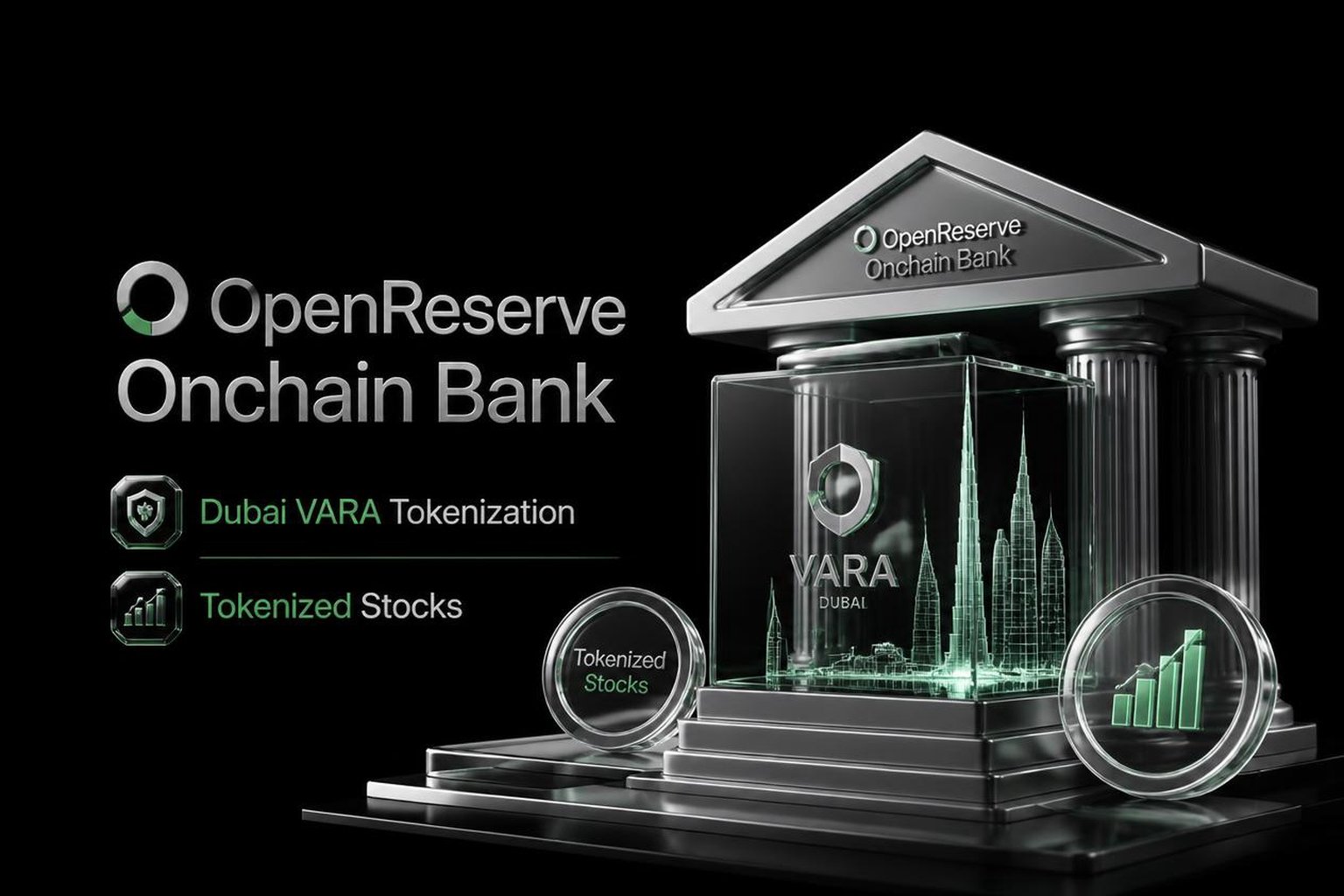
    The US Office of the Comptroller of the Currency (OCC) granted conditional approval for OpenReserve’s national bank charter, making it the first US bank to embed on-chain settlement and tokenized deposits directly into its core account system, with a requirement to raise at least $210 million in paid-in capital within 12 months. Meanwhile, tokenized-stock monthly transfer volume surged 105% to $841 million, and South Korea’s Financial Services Commission and securities depository announced they are moving national capital markets onto Avalanche — tokenization settlement is shifting from pilots to federal regulation and national infrastructure.

    Industry Flash

    10 items

  • OCC Approves OpenReserve National Bank Charter — The first “on-chain bank” charter in the US lands, bringing on-chain settlement and tokenized deposits into the federal-regulated core account system for the first time, with a16z crypto leading the seed round.
  • Tokenized-Stock Monthly Transfers Surge 105% to $841M — Holders grew to 409,000 in August as dozens of Wall Street institutions pilot real on-chain settlement for blue-chip stocks and index ETFs, outpacing the broader RWA market.
  • South Korea Moves National Capital Markets Onto Avalanche — The FSC and securities depository are taking issuance, trading, clearing and settlement fully on-chain, with the Tokenized Securities Framework taking effect in February 2027.
  • Dubai’s VARA Signs MoU With Securitize — The regulator is co-building a regulated tokenization market with an issuance platform across knowledge-sharing, ecosystem and talent, positioning against Singapore and Switzerland as hubs.
  • Polymarket Raises $1B at a $21B Valuation — Led by 1789 Capital, the platform now runs 67 perpetual-contract markets as prediction markets push into the RWA derivatives frontier.
  • 21 Banks Form Joint Stablecoin Venture — Bank of America, Citi, Goldman Sachs, UBS and Wells Fargo are among the group planning a US-dollar stablecoin in H1 2027, aligned with the GENIUS Act’s effective date.
  • Ethereum’s RWA Ecosystem Moves Beyond Stablecoins — Tokenized funds reached $17.5 billion, commodities $5.0 billion and stocks $770.1 million, while stablecoins remain the $163.5 billion foundation — diversification is taking shape.
  • NYLIM High-Yield Bond Fund Gains T+0 On-Chain Exits — The $838 billion asset manager’s high-yield fund integrated RedStone Settle, converting T+3 settlement into instantly liquid, DeFi-collateralizable positions.
  • UK Completes First Digital Bond Settled in GBP Stablecoin — BCP’s $GOVY tokenized US T-bill settled via Archax in tGBP, with on-chain cash and digital securities completing native delivery.
  • Figure Closes $717M Kiavi Acquisition — More than $7 billion in first-lien real-estate credit moves on-chain, pushing tokenized private credit beyond Treasuries and stablecoins, while Bitwise’s PAPY vault lends at 5–6% APY.
  • 美国首张「链上银行」牌照落地,韩国资本市场上链——代币化结算进入国家基建时代

    美国首张「链上银行」牌照落地,韩国资本市场上链——代币化结算进入国家基建时代

    A
    Aurellix
    2026年9月8日
    1 分钟阅读

    今日焦点
    美国货币监理署(OCC)有条件批准 OpenReserve 全国性银行牌照,成为美国首家把链上结算与代币化存款直接嵌入核心账户体系的全能银行,要求 12 个月内筹资至少 $2.1 亿实缴资本。与此同时,代币化股票月转账量单月飙升 105% 至 $8.41 亿,韩国金融委员会与证券托管院宣布将国家资本市场上链 Avalanche——代币化结算正从试点走向联邦监管与国家基建。

    行业速报

    共 10 条

  • OCC 批准 OpenReserve 全国性银行牌照 — 美国首张「链上银行」章程落地,链上结算与代币化存款首次纳入联邦监管核心账户体系,a16z crypto 领投种子轮。
  • 代币化股票月转账量飙升 105% 至 $8.41 亿 — 8 月持有者增至 40.9 万,华尔街数十家机构试点蓝筹股与指数 ETF 真实上链结算,增速跑赢整体 RWA。
  • 韩国国家资本市场上链 Avalanche — 金融委员会与证券托管院推进发行、交易、清算、结算全链路上链,代币化证券框架 2027 年 2 月生效。
  • 迪拜 VARA 与 Securitize 签署 MoU — 监管主动下场与发行平台共建受监管代币化市场,覆盖知识共享、生态与人才五方面,对标新加坡与瑞士枢纽地位。
  • Polymarket 以 $210 亿估值融资 $10 亿 — 1789 Capital 领投,已上线 67 个永续合约市场,预测市场挤入 RWA 衍生品前沿地带。
  • 21 家银行合资发稳定币 — 美银、花旗、高盛、瑞银、富国等联手,拟 2027 上半年推出美元稳定币,对齐 GENIUS 法案生效时点。
  • 以太坊 RWA 生态越过稳定币 — 代币化基金达 $175 亿、大宗商品 $50 亿、股票 $7.7 亿,稳定币 $1635 亿仍是基座,多元化成型。
  • NYLIM 高收益债基金获 T+0 链上退出 — $838 亿资管的高收益债基金接入 RedStone Settle,把 T+3 结算转化为可作 DeFi 抵押的即时流动性。
  • 英国首笔英镑稳定币结算数字债券 — BCP 的 $GOVY 代币化美债经 Archax 以 tGBP 结算,链上现金与数字证券完成原生交割。
  • Figure 以 $7.17 亿收购 Kiavi — 将超 $70 亿第一留置权地产信贷上链,代币化私人信贷突破美债与稳定币边界,Bitwise PAPY 金库同步放贷 5–6% APY。
  • First US “Onchain Bank” Charter Approved, Dubai Regulator Ties Up With Securitize, Tokenized Equity Transfers Double

    First US “Onchain Bank” Charter Approved, Dubai Regulator Ties Up With Securitize, Tokenized Equity Transfers Double

    ISSUE · RWA MORNING BRIEFING

    First US “Onchain Bank” Charter Approved, Dubai Regulator Ties Up With Securitize, Tokenized Equity Transfers Double

    Tokenized Equity Monthly Transfers
    $8.41B
    ▲ 105% (30-day)

    RWA Onchain Market Cap
    $387.6B
    ▲ 1.23% (30-day)

    Tokenized US Treasuries
    $161.7B
    ▲ 80% (YTD)

    Stablecoin Market Cap
    $3056B
    USDT $1834B · USDC $747B

    OCC Approves OpenReserve National Bank Charter: The First Full-Service Bank Putting Onchain Settlement Inside Federal Supervision

    September 2, 2026 · OCC / FinWire / Global Banking Monitor
    The US Office of the Comptroller of the Currency (OCC) has granted preliminary conditional approval for a national bank charter to OpenReserve, a proposed bank in Salt Lake City, Utah, that would be the first full-service commercial bank in the US to embed onchain settlement and tokenized deposits directly into its core account system. Unlike the crypto-friendly trust banks common in the space, OpenReserve plans to accept FDIC-insured deposits, run deposit and lending operations, and share a single account layer between tokenized and conventional deposits.
    • The OCC requires OpenReserve to raise at least $210 million in paid-in capital within 12 months and maintain a Tier 1 leverage ratio of no less than 12% in its first three years
    • The bank plans a wholly owned stablecoin subsidiary for issuing, custodying, converting and processing dollar-reserve stablecoins, but that filing has not yet been submitted and must fully comply with the GENIUS Act
    • Founders Dee Choubey (MoneyLion co-founder) and Rick Correia; seed round led by a16z crypto with Jump, Coinbase Ventures, Wintermute and others
    • This is the second conditional approval for a high-profile fintech charter in the same week, after Revolut, in one of the most permissive US chartering windows in years
    Regulatory Signal
    Onchain settlement is no longer a fringe activity outside the regulated system; it is a legitimate capability inside federal supervision

    Model Divergence
    Compared with stablecoins, tokenized deposits are liabilities of supervised banks and are seen as a sounder foundation for programmable money

    Rollout Bar
    The $210 million capital requirement far exceeds a conventional de novo, putting the business model’s real risk pricing to the test

    Source: OCC · FinWire · September 2, 2026

    Dubai’s VARA and Securitize Sign MoU: Regulators Step In to Build a Regulated Tokenized Market

    September 3, 2026 · Securitize / Fintechly
    Dubai’s Virtual Assets Regulatory Authority (VARA) has signed a memorandum of understanding with Securitize covering five areas of cooperation on regulated tokenized markets. It is a notable case of a regulator proactively joining an issuance platform to co-build an institutional framework, and it reinforces that regulatory certainty plus institutional-grade infrastructure is becoming the core variable in the tokenization race. Securitize’s NYSE-listed shares rose 9.06% on the day of the announcement.
    • The MoU spans knowledge sharing, ecosystem development, regulatory engagement, talent attraction, market education and data-driven research, with no specific product, financial commitment or launch date
    • Securitize manages roughly $5 billion in tokenized assets, runs BlackRock’s BUIDL and Hamilton Lane’s HLSCOPE, and is the only platform operating regulated digital-securities infrastructure in both the US and the EU
    • It extends an existing relationship: Atlas Capital’s USAFi tokenized security, custodied at BNY Mellon, is targeting a Q3 launch under VARA’s Asset Referenced Virtual Asset rulebook
    • Dubai is benchmarking against Singapore’s Project Guardian, Switzerland’s DLT Act and Hong Kong’s SFC tokenization circulars in a bid for global hub status
    Market Impact
    Proactive regulators can compress the institutional adoption window and give compliant capital a clear entry point

    Industry Confirmation
    A strong issuer combined with an active regulator points to tokenization moving from concept to mainstream financial infrastructure

    Regional Race
    The Middle East, leveraging a BlackRock-backed platform, is challenging Singapore and Switzerland for hub leadership

    Source: Fintechly · Securitize · September 3, 2026

    Tokenized Equity Transfers Surge 105% to $841M as Wall Street Pilots Real Onchain Settlement

    September 7, 2026 · Capwolf / RWA.xyz
    The tokenized equities ecosystem expanded sharply in August: monthly transfers jumped 105% to $841 million, distributed value rose 43% to $2.16 billion, and holders grew 17% to 409,000. Meanwhile, Wall Street clearing and settlement organizations are marshaling dozens of institutions to advance tokenized securities pilots focused on blue-chip stocks, index ETFs and government securities.
    • Tokenized equities far outpaced the rest of the RWA sector: tokenized US Treasuries were roughly flat over the same period, while the broader RWA market grew only about 4%
    • One leading platform posted a 935% rise in distributed value over 30 days, and multiple platforms logged triple-digit gains, with competition driving rapid expansion
    • About $846 million in distributed value is concentrated in the leading platform, while challengers are closing in quickly, a healthy competitive dynamic
    • Wall Street pilots adopt a “traditional custody plus onchain record-keeping” model, collecting real market feedback over a three-year framework
    Market Signal
    Demand has moved past early experiments toward real adoption, with both holders and transfer volumes validating genuine utility

    Structural Shift
    Tokenized stocks are becoming a new growth engine, complementing Treasuries’ stable stock with a second wheel

    Institutional Prep
    Pilots focused on highly liquid assets are paving a dual path of regulatory and market readiness for lawful onchain settlement

    Source: Capwolf · RWA.xyz · September 7, 2026

    Polymarket Raises $1B at $21B Valuation Led by 1789 Capital, Prediction Markets Emerge as a New RWA Derivatives Front

    September 1, 2026 · Yahoo Finance / CoinDesk
    Prediction market Polymarket has closed a $1 billion funding round at a $21 billion post-money valuation, up 40% from its $15 billion valuation in April. Venture firm 1789 Capital, linked to Donald Trump Jr., is committing about $300 million as lead investor, bringing its cumulative investment to roughly $500 million; NYSE parent ICE remains the largest shareholder with about 22%. Event-driven trading platforms are fast moving to the frontier of RWA derivatives.
    • Polymarket has launched 67 perpetual markets, expanding into leveraged derivatives, in step with Coinbase’s single-stock perp application to form an “offshore permissionless + onshore regulated” dual-track ecosystem
    • ICE disclosed in July that it had invested $1.6 billion in Polymarket preferred shares, with holdings worth about $2 billion as of June 30
    • Main rival Kalshi was valued at roughly $22 billion in May; the gap is closing fast and sector valuations keep climbing
    • Regulatory pressure persists: more than a dozen US states have sued Polymarket or Kalshi, and JPMorgan ended its banking relationship over compliance concerns on August 14
    Capital Signal
    Prediction markets have won both institutional and political backing, positioning them as core carriers of event-driven derivatives

    Derivatives Track
    Perpetualization and prediction markets are reshaping the RWA derivatives landscape as a dual-track regulatory ecosystem takes shape

    Risks Remain
    Under litigation and banking pressure, the $21 billion valuation prices in high expectations for a future compliant path

    Source: Yahoo Finance · Coinlive · September 1, 2026

  • RWA 早报 | 2026年9月8日

    RWA 早报 | 2026年9月8日

    ISSUE · RWA MORNING BRIEFING

    美国首张「链上银行」牌照落地,迪拜监管牵手 Securitize,代币化股票月转账翻倍

    代币化股票月转账量
    $8.41亿
    ▲ 105% (30天)

    RWA 链上总市值
    $387.6亿
    ▲ 1.23% (30天)

    代币化美债规模
    $161.7亿
    ▲ 80% (年初至今)

    稳定币总市值
    $3056亿
    USDT $1834亿 · USDC $747亿

    OCC 批准 OpenReserve 全国性银行牌照:首个把链上结算放进联邦监管内的全能银行

    2026年9月2日 · OCC / FinWire / Global Banking Monitor
    美国货币监理署(OCC)向 OpenReserve 发出全国性银行章程的初步有条件批准,这家中立州盐湖城的拟设银行将是美国首家把链上结算与代币化存款直接嵌入核心账户体系的全能商业银行。与常见的加密友好信托银行不同,OpenReserve 计划接受 FDIC 承保存款、开展存贷业务,并让代币化存款与传统存款共用一个账户层。
    • OCC 要求 OpenReserve 在 12 个月内筹集至少 $2.1 亿实缴资本,开业前三年维持不低于 12% 的一级杠杆率
    • 银行拟设立全资稳定币子公司,负责美元储备稳定币的发行、托管、兑换与支付,但该子公司申请尚未提交,须完全符合 GENIUS 法案
    • 创始人 Dee Choubey(MoneyLion 联合创始人)与 Rick Correia;种子轮由 a16z crypto 领投,Jump、Coinbase Ventures、Wintermute 等参投
    • 本周为高调金融科技牌照的第二次有条件批准,紧随 Revolut 之后,为美国近年最宽松的银行牌照窗口
    监管信号
    链上结算不再是监管体系外的旁门,而是被纳入联邦监管内的正规银行能力

    模式分野
    相比稳定币,代币化存款是受监管银行负债,被视为可编程货币更稳健的基础

    落地门槛
    $2.1 亿资本要求远超传统新建银行,检验商业模式的真实风险定价

    来源:OCC · FinWire · 2026年9月2日

    迪拜 VARA 与 Securitize 签署 MoU:监管主动参与打造受监管代币化市场

    2026年9月3日 · Securitize / Fintechly
    迪拜虚拟资产监管局(VARA)与 Securitize 签署谅解备忘录(MoU),围绕受监管代币化市场展开五项合作。这是监管机构主动下场与发行平台共建制度框架的标志性动作,也印证了「监管确定性 + 机构级基础设施」正成为代币化竞争的核心变量。Securitize 当日纽交所股价上涨 9.06%。
    • MoU 覆盖知识共享、生态发展、监管互动、人才引进、市场教育与数据研究五方面,不含具体产品或资金承诺,亦非牌照
    • Securitize 管理约 $50 亿代币化资产,运行贝莱德 BUIDL、Hamilton Lane HLSCOPE 等头部产品,是唯一在美欧两地运营受监管数字证券基建的平台
    • 此为其与 VARA 既有合作的延续:Atlas Capital 的 USAFi 代币化证券拟在 Q3 内按 VARA 资产参考虚拟资产规则落地,托管于纽约梅隆
    • 迪拜对标新加坡 Project Guardian、瑞士 DLT Act、香港 SFC 代币化通函,正争夺全球代币化枢纽地位
    市场影响
    监管主动介入可压缩「制度窗口」,为机构资本提供合规入口

    行业印证
    发行端强 + 监管端主动,代币化从概念走向主流金融基础设施的两大引擎已就位

    区域竞争
    中东借力 BlackRock 系平台,挑战新加坡与瑞士的枢纽地位

    落地节奏
    MoU 到可执行框架仍需时间,能否快于竞争对手决定其是否成为转折点

    来源:Fintechly · Securitize · 2026年9月3日

    代币化股票月转账量飙升 105% 至 $8.41 亿,华尔街试点真实上链结算

    2026年9月7日 · Capwolf / RWA.xyz
    代币化股票生态在 8 月迎来爆发式增长:月转账量单月飙升 105% 至 $8.41 亿,分布式价值环比攀升 43% 至 $21.6 亿,持有者增长 17% 至 40.9 万。与此同时,华尔街结算与清算机构正集结数十家机构推进代币化证券试点,聚焦蓝筹股、指数 ETF 与政府证券等高流动性资产。
    • 代币化股票增速显著跑赢其他 RWA 赛道:代币化美债同期基本持平,整体 RWA 市场仅增长约 4%
    • 某头部平台 30 天分布式价值飙升 935%,多平台录得三位数增长,竞争推动生态快速扩张
    • 约 $8.46 亿分布式价值集中在头部平台,追赶者正快速逼近,健康竞争驱动创新
    • 华尔街试点采用「传统托管 + 链上记账」模式,三年框架下收集真实市场反馈再推进
    市场启示
    需求已从早期实验走向实质采用,持有人与转账量双重验证真实效用

    结构分化
    股票代币化成新增长极,与美债的「存量稳定」形成互补双轮

    制度铺垫
    试点聚焦高流动性资产,为代币化证券合法结算铺平监管与市场双重路径

    来源:Capwolf · RWA.xyz · 2026年9月7日

    Polymarket 以 $210 亿估值融资 $10 亿,1789 Capital 领投,预测市场成 RWA 衍生新前线

    2026年9月1日 · Yahoo Finance / CoinDesk
    预测市场平台 Polymarket 完成 $10 亿融资,投后估值达 $210 亿,较 4 月的 $150 亿跃升 40%。与特朗普家族关联的风投 1789 Capital 以约 $3 亿领投,累计投入约 $5 亿;纽交所母公司 ICE 仍是最大股东,持股约 22%。事件驱动型交易平台正快速挤入 RWA 衍生品的前沿地带。
    • Polymarket 已上线 67 个永续合约市场,向杠杆衍生品领域扩展,与 Coinbase 单股永续申请形成「离岸无许可 + 本土受监管」双轨生态
    • ICE 7 月披露已投资 $16 亿 Polymarket 优先股,6 月 30 日持仓价值约 $20 亿
    • 主要对手 Kalshi 5 月估值约 $220 亿,双方差距快速收窄,行业估值持续攀升
    • 面临多州监管压力:逾 12 个州对 Polymarket 或 Kalshi 提起法律诉讼,JPMorgan 8 月 14 日因合规顾虑终止与其银行关系
    资本信号
    预测市场获机构与政治资本双重背书,被视为事件驱动型衍生品的核心载体

    衍生赛道
    永续化 + 预测市场正重塑 RWA 衍生品版图,双轨监管生态渐明

    风险并存
    监管诉讼与银行关系压力下,$210 亿估值隐含对未来合规路径的高预期

    来源:Yahoo Finance · Coinlive · 2026年9月1日