博客

  • RWA 早报 | 2026年9月11日

    RWA 早报 | 2026年9月11日

    华尔街交易所深度介入代币化,机构结算基础设施加速成型

    代币化股票总市值
    $28.9亿
    ▲ 7.4% 月环比 · 286万持有者

    周末代币化股票交易量
    $14.1亿
    89.5 小时传统休市期间

    Citi 2030 代币化市场规模预测
    $5.5万亿
    美股 $2.6 万亿 · 美债 $0.8 万亿

    Bitwise PAPY Vault TVL
    $1326万
    上线8天 从 $63.9万 增长

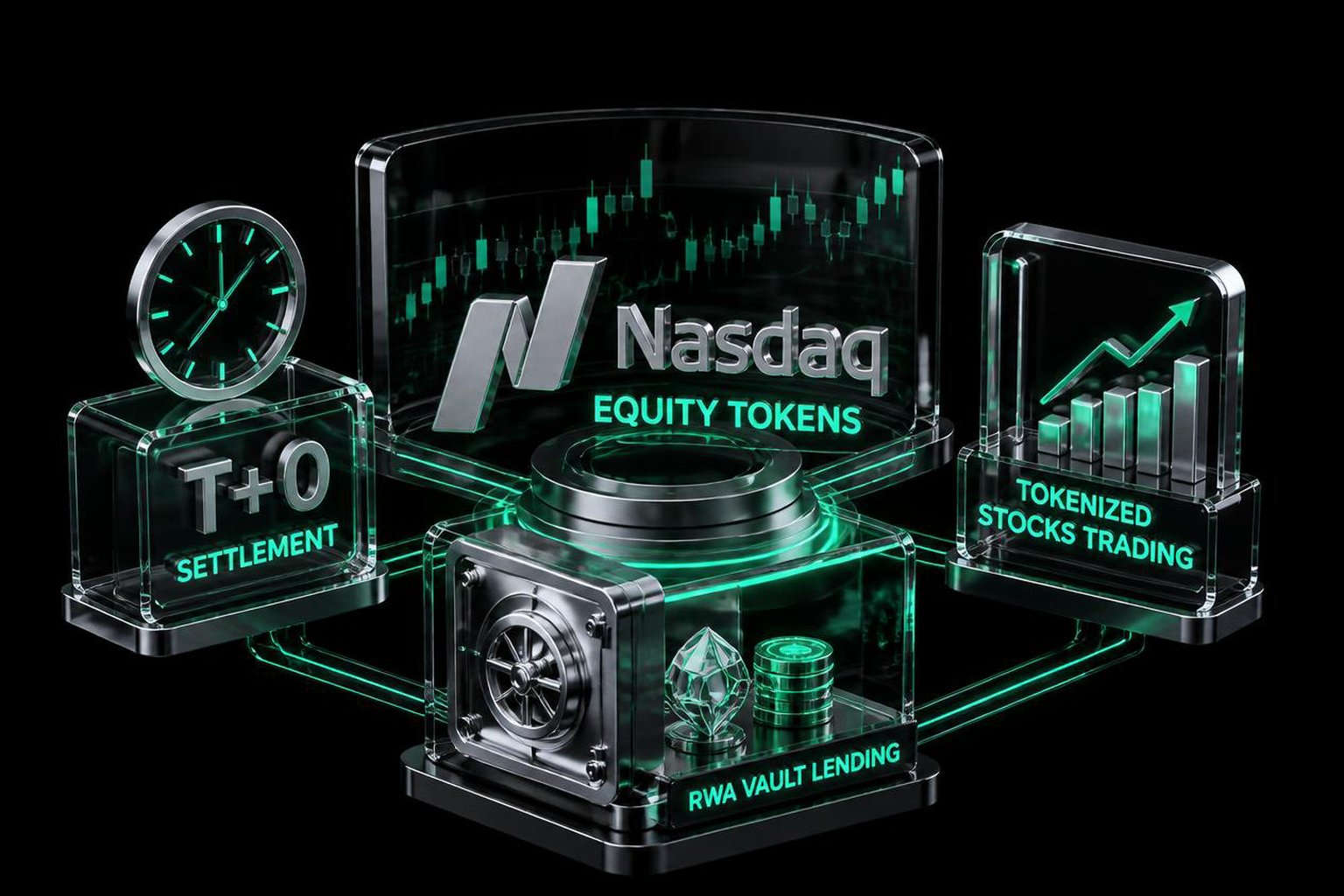
    纳斯达克向 Kraken 母公司注资 1 亿美元,2027 年落地代币化股票交易

    2026年9月10日 · Blockonomi / Wu Blockchain
    纳斯达克旗下风投部门宣布向 Payward(Kraken 母公司)投资 1 亿美元,将其估值推高至 210 亿美元。双方将合作在 Kraken 平台上推出基于纳斯达克上市股票的「Nasdaq Equity Tokens」,在保持完整股东投票权的前提下实现 24/7 交易,并瞄准以 T+0 结算取代沿用数十年的 T+2 周期。此次注资发生在德意志交易所 4 月 2 亿美元投资与 Kraken 与伦敦证交所合作之后,是华尔街交易所拥抱区块链基础设施的标志性动作。
    • Payward 估值 210 亿美元,超过此前约 200 亿美元的目标,交易于 9 月 10 日完成
    • Kraken 将整合纳斯达克的市场监控与合规技术,覆盖加密货币、股票与衍生品全平台
    • 纳斯达克一年前已向 SEC 提交代币化框架,并与 Kraken、Level Markets 联动构建连续交易能力
    • 代币化股票总市值已突破 29 亿美元,月环比 +7.4%
    战略信号
    交易所巨头不再观望,以股权投资深度绑定头部加密交易平台

    结算变革
    T+0 原子结算有望释放数万亿被锁定的资金并降低对手方风险

    股东权益
    代币化股票保留完整投票权,消除机构采用的最大顾虑

    来源:Blockonomi · Wu Blockchain · 2026年9月10日

    代币化股票在 89.5 小时传统休市期间成交 14.1 亿美元,Robinhood Chain 占比 57%

    2026年9月10日 · Gokhshtein Media / CoinGecko
    在美国劳工节周末纽交所休市 89.5 小时(美东周五 16:00 至周二 9:30)期间,代币化股票累计成交 14.1 亿美元,验证了链上 24/7 连续交易能力。其中周六、周日两天成交 10.1 亿美元,几乎追平周五美股全面开盘时的 10.2 亿美元。Robinhood Chain 以 5.728 亿美元占据周六周日合计成交的 57%,其代币化股票持有价值达 1.332 亿美元,换手率显著高于其他平台。
    • 周六 4.903 亿美元、周日 5.169 亿美元、劳工节当天 3.983 亿美元(CoinGecko 覆盖四大平台 42 个代币)
    • Binance bStocks 3.035 亿美元、Backed xStocks 8710 万美元、Ondo 4380 万美元
    • Ondo Global Markets 持有 8.6 亿美元代币化股票,Backed xStocks 6.312 亿美元
    • AI-NVDA 交易对两天成交 1130 万美元,池内流动性 2240 万美元,展现跨资产联动
    连续交易验证
    周末成交逼近工作日,链上 24/7 定价机制得到实证检验

    渠道分化
    Robinhood Chain 以 57% 份额领跑,meme 对带动链上活跃度

    市场结构
    代币化股票总持有价值 28.9 亿美元,分散于 286 万独立持有者

    来源:Gokhshtein Media · CoinGecko · RWA.xyz · 2026年9月10日

    Citi Institute 预测 2030 年代币化市场达 5.5 万亿美元,DTCC、纽交所、纳斯达克嵌入核心流程

    2026年9月10日 · The Global Data Summit / Citi Institute
    Citi Institute 最新报告《Tokenization 2030: Wall Street On-Chain》将 2030 年代币化资产市场预测上调至 5.5 万亿美元,且增长引擎从私募资产转向美国股票、国债与货币市场基金。报告预计美股约 3% 市值(2.6 万亿美元)完成代币化、美债 10% 渗透率(0.8 万亿美元)、货币市场基金 5% 渗透率(0.6 万亿美元)。DTCC 已于 2025 年 12 月获 SEC no-action 救济开展三年试点,纽交所与纳斯达克也在各自推进 24/7 代币化平台。
    • 基准预测 5.5 万亿美元,区间为熊市 2.7 万亿至牛市 8.2 万亿美元
    • DTCC 试点覆盖 Russell 1000、主要指数 ETF 与美债,运行于与 Digital Asset 合作的 Canton Network,10 月全面上线
    • 纽交所 3 月与 Securitize 签署 MoU 共建 Digital Trading Platform;纳斯达克 3 月获 SEC 批准股票与 ETF 代币化发行
    • 稳定币 2030 年发行量预计达 1.9 万亿美元,为代币化结算提供底层
    规模预测
    从私募转向公开市场,机构基础设施是主要驱动

    基础设施
    三大市场基础设施机构将代币化嵌入发行、交易与结算主流程

    监管铺垫
    DTCC no-action 救济 + 纽交所/纳斯达克 SEC 批准构建合规地基

    来源:Citi Institute via The Global Data Summit · 2026年9月10日

    Bitwise PAPY 代币化 RWA 借贷金库上线 8 天 TVL 突破 1326 万美元

    2026年9月10日 · KuCoin News
    Bitwise 旗下 Premium RWA Vault(代码 PAPY)上线仅 8 天,总锁仓价值即突破 1200 万美元,9 月 10 日达 1326.7 万美元。该金库基于以太坊上的非托管借贷协议 Morpho 运行,用户存入 Agora 稳定币 AUSD,协议将其借出换取一篮子代币化 RWA 抵押品,包括 Huma Finance 的跨境支付融资资产 PST(占比约 39.74%)、Hastra 的房屋净值债权 PRIME(26.29%)与支持 GPU 贷款的 sUSDai(21.26%)。目标年化 5-6%,管理费 0.39%,容量上限约 10 亿美元。
    • 9 月 2 日上线时仅约 63.9 万美元,首 24 小时即突破 800 万美元
    • Bitwise 控制治理参数(抵押品准入、LTV、利率模型),但不托管资金
    • 即时净 APY 约 4.27%,7 日平均约 4.07%,管理费 0.39%、无业绩费
    • Bitwise 管理逾 90 亿美元客户资产,AUSD 由短期美债、隔夜回购等流动资产背书
    落地速度
    RWA 抵押借贷从概念走向真实流动性,8 天即吸引千万级资金

    资产类型
    跨境支付、房屋净值、GPU 贷款三类 RWA 抵押品并行验证

    增长空间
    容量上限 10 亿美元,当前 TVL 仅占 1.3%,成长潜力可观

    来源:KuCoin News · 2026年9月10日

  • 沉睡资产上链:新兴市场把代币化和代理式AI写进法律与零售产品

    沉睡资产上链:新兴市场把代币化和代理式AI写进法律与零售产品

    沉睡资产上链:新兴市场把代币化和代理式AI写进法律与零售产品

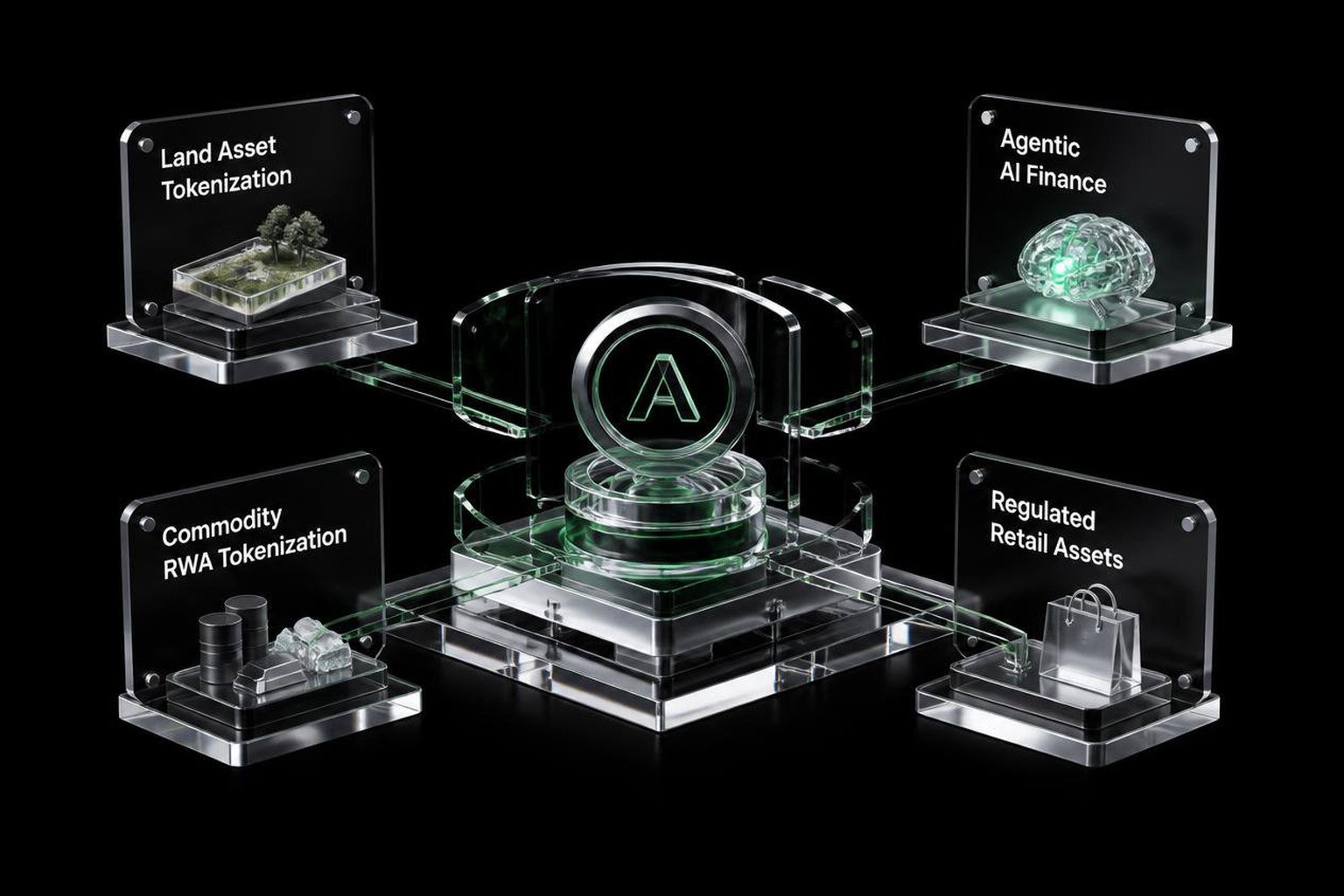
    同一天,印度把土地代币化写进州级法律,迪拜把世界最大银条切成可交易的数字碎片。代币化与代理式AI正从大会主题变成新兴市场的法律条文和货架商品。

    全球链上RWA总值(2026年9月初)
    $38.76B
    持有人超320万

    印度UPI八月交易量
    24.51B笔
    金额约$315B,已接入11国

    迪拜代币化银条
    1,971kg
    吉尼斯纪录,9月7日开放散户

    BCG预估代币化资产市场(2030)
    $16T
    2026年初约$3.5T

    过去一周,两个新兴市场几乎同时把”代币化”从投行路演PPT挪进了法律条文和零售货架。9月9日,印度马哈拉施特拉邦首席部长Fadnavis在孟买全球金融科技节上宣布,邦政府已起草《马哈拉施特拉数字与土地代币资产交换法》(DELTA Act),要成为印度第一个为区块链土地代币化立法的邦。三天前,迪拜DMCC把一块1971公斤的吉尼斯纪录银条代币化,成为DMCC-VARA框架下首个大宗商品实物资产,从9月7日起向合格散户开放认购。两者不在同一国,指向却是同一个方向:新兴市场不再满足于把真实世界资产(RWA)当实验,而是要用法律确定性和受监管产品把它做成生意。

    一、为什么现在关注

    代币化的老话题在2026年出现了新变量。过去机构讲RWA,落脚点是”流动性””普惠”,嘴上说得多、产品落地少。本周两条新闻把同一件事往前推了一步:一个是把土地这种最难确权、最容易被骗的资产写进州法,另一个是把一件有吉尼斯背书的实物商品放进受监管的发行和托管链条。代币化从”能不能做”进入”用什么规则做、卖给谁”的阶段,而这恰好踩中印度金融科技节的主题,代理式AI、代币化、量子被并列为下一轮金融基础设施的三根支柱。

    二、行业现状:两条不同的落地路径

    印度走的是”法律先行”。Fadnavis说,土地在印度世代都是财富,但常常是有价值却没有流动性的财富,一个家庭可能握着值钱的资产却很难据此融资。DELTA Act要做的,是把土地和其他不动产的所有权通过区块链记录、拆分、流转,让”沉睡财富”变成可抵押、可交易的经济机会。他特意强调这不是为了投机,而是为了盘活资产。监管侧,印度储备银行已就AI和机器学习风险提出框架草案,要求银行用董事会批准的政策和内控管住模型。

    迪拜走的是”产品先行”。DMCC把1971公斤银条交给受VARA监管的平台Tokinvest,以资产锚定虚拟资产(ARVA)形式发行数字权益,代币部署在BNB Chain,实物由Brink’s托管、在DMCC Tradeflow登记。认购从9月7日开放,二级市场交易待监管批准后跟进。这套链路最值钱的地方,是每一个环节都放在监管框架内:谁制造、谁托管、谁发行、二级市场怎么开,都摆在明面上。

    三、监管认可才是代币化真正的护城河

    两条路径殊途同归,核心都是把”信任”从单一公司背书转移到可验证的制度结构。大宗商品和土地代币化过去卡在三个环节:托管、审计、监管认可。迪拜银条用吉尼斯纪录背书实物、用Brink’s解决托管、用DMCC Tradeflow解决确权登记,再用VARA的发行牌照解决合法性,等于把每个环节都制度化。印度DELTA Act则更进一步,直接给链上土地确权一个成文法的地基。

    对公链而言,这同样重要。BNB Chain承接一个受监管的大宗商品RWA,等于在合规资产赛道多了一个可引用的落地案例,二级市场一旦打开,代币的流动性将决定这套模式能否从”纪念性发行”变成可持续的资产类别。真正的变量不是链的技术,而是背后的法律和托管是否跟得上。

    四、投资视角

    市场规模在加速。RWA.xyz数据显示,全球分布式RWA价值在2026年9月初已到约387.6亿美元,持有人超过320万。波士顿咨询估测,代币化资产市场到2030年可达16万亿美元,2026年初才约3.5万亿。真正值得留意的信号不是总量,而是参与者的结构变化:迪拜银条向合格散户开放,意味着这类产品从”机构专属”开始向下渗透;印度用州法背书,意味着主权机构把代币化当作基建而非投机。

    五、消费者/用户视角

    对普通用户来说,代币化的门槛正在肉眼可见地降低。迪拜银条把一件几乎不可能被个人拥有的世界纪录资产拆成可认购的碎片;印度DELTA Act试图让农民或中小企业主把难以抵押的土地变成可融资的资产。印度UPI八月处理24.51亿笔交易、约合3150亿美元,已接入11国,占全球实时支付量近一半,这套数字基础设施给了代币化一个现成的用户底座。代理式AI若能在这个底座上帮小微企业读现金流、匹配融资,代币化资产才有真正的使用场景,而不只是投机标的。

    关键信号:新兴市场正用两种方式给代币化上”确定性”:印度用州级成文法固定链上确权,迪拜用受监管的实物产品打通从托管到发行的完整链路。当法律和产品同时到位,RWA代币化才从概念进入可投资的阶段。
    1
    法律先行与产品先行会长期并存印度选成文法,迪拜选受监管产品,路径不同但都在回答同一个问题,怎么让链上资产对应到可执行的线下权利。对从业者而言,真正稀缺的是能同时打通确权、托管、发行三个环节的合规能力,而不是单纯发个代币。

    2
    代理式AI是代币化资产的需求引擎印度把代理式AI、代币化、量子并列为三支柱,逻辑是AI代理需要可编程的资产去做自主决策和结算,代币化资产正好提供这种”可编程的抵押品”。两者互为前提,单讲任何一个都讲不全2026年的故事。

    3
    监管骨架决定这个市场走多快迪拜银条的托管、审计、发行全在监管内,印度用州法背书,都是在降低”信任成本”。谁的规则清楚、执行可预期,谁就能先吸引机构资金。二级市场流动性和零售准入,将是观察这套模式能否规模化的两个指标。

  • The Tokenized Securities Infrastructure Race: Who Builds the Rails

    The Tokenized Securities Infrastructure Race: Who Builds the Rails

    The Tokenized Securities Infrastructure Race: Who Builds the Rails

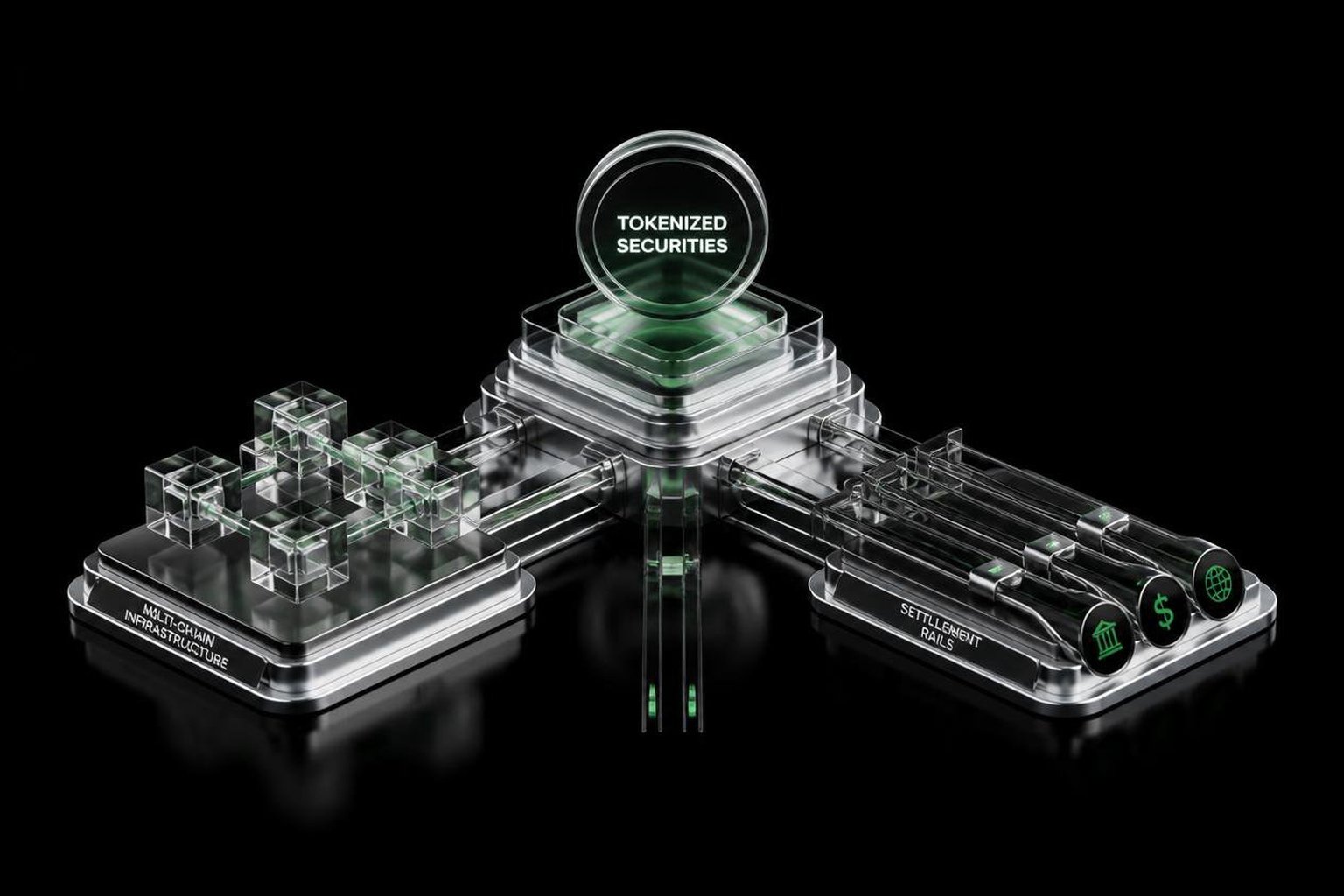
    From Hanwha’s multi-chain platform in South Korea and Broadridge’s DLX in the US to Liqi’s $2 billion credit pipeline in Brazil, the competition in tokenized securities is shifting from “is it legal” to “who builds the rails.” For practitioners, this week marks the end of the speculation phase and the start of the infrastructure-building phase.

    Article Analysis

    Around September 9, the “market plumbing” for tokenized securities entered a period of concentrated deployment: Hanwha built a multi-chain platform on Avalanche ahead of South Korea’s February 4, 2027 legal recognition; Broadridge launched its “always-on” DLX infrastructure in the US; Brazil’s Liqi raised its issuance target with XDC from $500 million to $2 billion; and the European Central Bank’s Pontes settlement bridge goes live on September 21. Legal frameworks (Korea, SEC, MiCA, Taiwan) and institutional infrastructure (DTCC, Canton, Hanwha, tZERO) converged this week, signaling that tokenized securities are moving from “pilot narrative” to “who can build usable rails.”

    Hanwha Bets on Multi-Chain: A Korean Broker Builds a Trading Platform Before the Law Lands

    On September 9, Seoul Economic Daily reported that South Korea’s Hanwha Investment & Securities, together with blockchain firm FairSquare Lab, had built a tokenized securities platform supporting Avalanche. The significance lies not simply in “using blockchain” but in the fact that the system is designed as a multi-chain architecture, running simultaneously on Avalanche and enterprise chains such as Hyperledger Besu.

    The timing is highly signal-laden. South Korea passed the tokenized securities law amendments in January 2026, allowing distributed ledgers to serve as legally recognized securities registers; those amendments take effect on February 4, 2027. The amendments do not create a separate category of securities. Instead, they permit conventional securities to use blockchain as the official record of ownership and issuance. In other words, Hanwha wants to have a workable platform running before the legal recognition goes live.

    The Korea Securities Depository (KSD) is also preparing infrastructure capable of connecting to multiple distributed-ledger systems, with a planned architecture spanning Avalanche, Hyperledger Besu and Hyperledger Fabric. This is not a closed single-consortium-chain game; it is an open route where regulators explicitly support “multi-chain in parallel, unified registration.”

    “The legal change does not create a separate category of securities. Instead, it permits conventional securities to use distributed ledgers as an official record of ownership and issuance.”
    — Catenaa / Seoul Economic Daily, September 9, 2026

    Hanwha Group’s tokenization footprint runs deep: group affiliates hold roughly a 9.6% stake in tokenization firm Securitize, making it the largest shareholder; in July, Hanwha Investment & Securities also invested 30 billion won (about $22.3 million) in Digital Asset, which operates Canton Network, an institutional blockchain for tokenized assets and regulated financial infrastructure.

    Connect the dots: Hanwha is a Securitize shareholder, an investor in Canton operator Digital Asset, and simultaneously built its own Avalanche/Besu multi-chain platform. It is not betting on any single chain; it is laying out interoperable infrastructure across the board. This precisely captures the theme of this phase: the chain itself no longer matters as much as the “rails” that can plug into official registration and settlement.

    Broadridge Launches DLX: Making “Always-On” the Operating System of Tokenized Securities

    On the same day, US-based Broadridge (NYSE: BR) launched DLX, an “always-on” infrastructure platform covering the full lifecycle of tokenized assets. Positioned as “the operating system for tokenized finance,” DLX combines multi-chain enablement, a programmable smart-contract composer, 24/7 transaction capability, and institutional-grade workflow orchestration across traditional and on-chain markets.

    DLX does not start from scratch. It builds on Broadridge’s Distributed Ledger Repo (DLR) capability, which processes more than $350 billion in daily collateral mobility and securities-financing activity. DLX extends this production-verified foundation across bonds, equities, funds, private markets and money-market instruments, covering issuance, trading, settlement, servicing, custody, governance and distribution.

    DLX launches with the ability to connect to the DTCC Tokenization Service (via Canton and other networks). The deep logic here is that tokenized securities must connect with the existing custody and clearing system to enter the mainstream, and DTCC happens to be the hub of global securities clearing. Broadridge Global Head of Digital Innovation Horacio Barakat is direct about the positioning: DLX gives market participants an accelerated pathway to operating on-chain without sacrificing the controls, connectivity and operating models they rely on today.

    “Tokenization is increasingly becoming the foundation of more programmable, connected and always-on financial markets. DLX gives market participants an accelerated pathway to operating on chain without sacrificing the controls, connectivity, and operating models they rely on today.”
    — Horacio Barakat, Global Head of Digital Innovation, Broadridge, September 9, 2026

    Also on September 9, Eddid Securities USA, the US subsidiary of Hong Kong’s Eddid Financial, announced a partnership with tZERO to provide trading, clearing and custody for digital asset securities through a correspondent clearing arrangement under FINRA Rule 4311, with access to the tZERO Securities ATS. Though smaller in scale, this news completes the same picture as Hanwha and Broadridge: regulated broker-dealers are packaging digital asset securities into existing brokerage experiences “as a service” rather than building their own full technology stacks.

    Brazil’s Credit-Side Breakout: Liqi Puts $2 Billion of Structured Credit On-Chain

    While Korea and the US build “trading and settlement rails,” Brazil is opening another path through structured credit. On September 9, Brazilian tokenization platform Liqi Digital Assets renewed its partnership with XDC Network for two more years, raising the targeted issuance from $500 million to $2 billion (through 2028).

    The increase rests on faster-than-expected execution. Liqi and XDC originally signed in April 2025, targeting up to $500 million of real-world assets over 24 months; it was reached in about 15 months, nine months ahead of schedule. Liqi has become the largest issuer of yield-bearing assets on XDC, having deployed roughly $835 million of tokenized assets on XDC mainnet across 386 series, 60 asset pools and 378 smart contracts.

    “We signed the first agreement with a target that looked aggressive: half a billion dollars in two years. We delivered in fifteen months, because Brazil’s structured credit market was already there – what was missing was the infrastructure. We tripled the commitment because demand tripled. What we are building is not a blockchain pilot: it is the rail that regulated banks and originators run credit through.”
    — Daniel Coquieri, CEO & co-founder, Liqi Digital Assets, September 9, 2026

    Assets Liqi has issued on XDC include trade receivables, payroll-deductible loans, debentures, corporate credit and Brazilian receivables certificates, involving institutions including Itaú BBA, Banco BV, Banco ABC Brasil and Creditas. XDC Head of LATAM Diego Consimo stresses that these are “structured credit operations, originated within the regulated financial market, that now use blockchain as an effective part of their infrastructure.”

    Regulation is tracking in parallel. In July, Brazil’s securities regulator CVM created a dedicated Tokenization Working Group to study DLT-based registration, custody, trading and settlement of securities, and to propose an experimental regulatory regime for tokenized securities. The group spans 14 internal areas and has begun discussions with ANBIMA, ABCripto, ABToken and other market participants. Brazil’s central bank is separately exploring tokenized finance through Drex, a DLT environment for regulated financial intermediaries.

    On the data side, tokenization is moving beyond a single US-Treasury narrative toward a broader credit picture. RWA.xyz data as of September 9 shows roughly $7.82 billion of distributed tokenized credit and another $37.73 billion of represented credit assets across more than 2,500 assets, spanning corporate credit, structured credit, specialty finance and other non-sovereign debt. By blockchain, Ethereum leads distributed RWA value at about $17.6 billion, followed by BNB Chain, Solana and Stellar.

    Why This Week Matters: Legal Recognition and Infrastructure Land at the Same Time

    Placing the events around September 9 on a timeline reveals a clear structural inflection. Fitch Ratings captured it in its September 9 commentary: as regulatory rules in major financial markets become clearer, securities firms’ opportunities to expand digital-asset business are increasing, with legal and operational uncertainty around digital-asset custody, tokenized product issuance and distribution, and stablecoin payment and settlement all declining.

    Jurisdiction Legal / Infrastructure Milestone Timing
    South Korea Tokenized securities law amendments take effect 2027-02-04
    EU ECB Pontes DLT settlement bridge goes live 2026-09-21
    US Broadridge DLX launches, connects to DTCC Tokenization Service 2026-09-09
    South Korea Hanwha multi-chain tokenized platform built (Avalanche + Besu) 2026-09-09
    Brazil Liqi × XDC issuance target raised to $2 billion 2026-09-09
    Taiwan, China NTD corporate/financial bond and physical gold tokenization pilot New rules in progress

    What this timeline reveals is a deep shift: the debate over tokenized securities has moved from “whether regulation allows it” (legal recognition) to “who provides the usable issuance, custody, trading and settlement rails” (infrastructure). Legal recognition answers “can it be done”; infrastructure answers “who builds it, how it runs, and how it connects to existing systems.” Fitch also notes that multiple jurisdictions’ legal recognition of blockchain-based ownership is boosting securities firms’ ability to issue and distribute tokenized securities and funds through existing brokerage and wealth-management platforms, directly echoing Hanwha, Broadridge and tZERO’s moves this week.

    Implications for Practitioners

    1
    Bet on the “rails that plug into official registration and settlement,” not on a single chain
    Hanwha simultaneously invested in Securitize, Digital Asset (Canton) and built its own Avalanche/Besu multi-chain platform, while Broadridge’s DLX also stresses multi-chain and DTCC connectivity. This makes clear that chains are no longer scarce; interoperability with existing custody and clearing systems is. When choosing a technology stack, prioritize the ability to connect to custodians, clearinghouses and central bank money.

    2
    The “effective date” of legal recognition is your engineering schedule
    Hanwha built its platform a year and a half before Korea’s February 4, 2027 effective date; the ECB’s Pontes goes live September 21; SEC, MiCA and Taiwan rules are advancing. For institutions entering regulated tokenized markets, treat each jurisdiction’s effective date as a hard milestone and back-schedule technology, compliance and custody buildout accordingly, rather than waiting for rules to fully settle before acting.

    3
    Structured credit is a faster growth curve than US Treasuries
    Liqi completed $500 million in 15 months and raised its target to $2 billion, backed by Brazil’s pre-existing structured-credit demand that simply lacked infrastructure. RWA.xyz tracks $7.82 billion of distributed tokenized credit. For issuers and platforms, building issuance and settlement capability around receivables, corporate debt and consumer credit could be the fastest route to realizing demand today.

    4
    “Infrastructure as a service” is lowering the entry barrier for broker-dealers
    Eddid + tZERO enter digital asset securities through FINRA correspondent clearing, and Broadridge’s DLX lets institutions operate without building their own technology stacks. For smaller brokers and wealth managers, leveraging mature custody, clearing and ATS infrastructure to launch quickly is more realistic than heavy self-build; regulatory frameworks (such as the proposed US off-balance-sheet custody) will further reduce capital drag.

    5
    Emerging markets are not “lagging”; they are a fast lane
    Brazil’s credit tokenization, Korea’s multi-chain platform, and Taiwan’s gold and bond pilots are all advancing by “skipping legacy systems and building regulated new rails directly.” For practitioners, folding emerging-market regulators (CVM, FSC, Taiwan’s regulators) into the compliance map may realize commercial opportunities earlier than waiting on US legislation such as the CLARITY Act.

  • 代币化证券的”轨道竞赛”:当法律承认与基础设施同时在9月落地

    代币化证券的”轨道竞赛”:当法律承认与基础设施同时在9月落地

    代币化证券的”轨道竞赛”:当法律承认与基础设施同时在9月落地

    从韩国韩华的多链平台、到美国 Broadridge 的 DLX、再到巴西 Liqi 的 20 亿美元信贷,代币化证券的竞争焦点,正在从”是否合法”转向”谁在修路”。对从业者来说,这一周意味着押注期结束,轨道建设期已开始。

    文章解读

    9月9日前后,代币化证券的”市场管道”进入集中落地期:韩国韩华在 Avalanche 上建成多链交易平台,为2027年2月4日的法律承认做准备;美国 Broadridge 发布”永续在线”的 DLX 基础设施;巴西 Liqi 把与 XDC 的发行目标从5亿美元上调到20亿美元。与此同时,欧洲央行 Pontes 结算桥将在9月21日上线。法律框架(韩国、SEC、MiCA、台湾)与机构基础设施(DTCC、Canton、韩华、tZERO)在这一周交汇,意味着代币化证券正从”试点叙事”转向”谁能修好可用的轨道”。

    韩华押注多链:韩国券商在法律落地前抢建交易平台

    9月9日,据 Seoul Economic Daily 报道,韩国韩华投资证券与区块链技术公司 FairSquare Lab 合作,建成了一套支持 Avalanche 的代币化证券平台。这套系统的关键不只在于”用了区块链”,而在于它被设计成**多链**架构,同时运行在 Avalanche 与 Hyperledger Besu 等企业级网络上。

    韩华的时机选择极具信号意义。韩国在2026年1月通过了代币化证券法律修正案,允许分布式账本作为法定的证券登记簿;这些修正案将于**2027年2月4日生效**。修正案没有为代币化证券创建独立类别,而是允许传统证券使用区块链作为所有权记录与发行的官方载体。换句话说,韩华要在法律承认生效前,先把可用的平台跑起来。

    韩国证券托管院(KSD)也在同步准备连接多个分布式账本系统的底层设施,规划架构涵盖 Avalanche、Hyperledger Besu 与 Hyperledger Fabric。这不是单一联盟链的封闭游戏,而是监管层明确支持”多链并行、统一登记”的开放路线。

    “The legal change does not create a separate category of securities. Instead, it permits conventional securities to use distributed ledgers as an official record of ownership and issuance.”
    — Catenaa / Seoul Economic Daily, September 9, 2026

    韩华集团在代币化上的布局早已纵深展开:集团关联公司持有代币化公司 Securitize 约**9.6%**的股份,是最大股东;韩华投资证券还在7月向 Digital Asset 投资了**300亿韩元(约2230万美元)**。Digital Asset 运营着 Canton Network,一个用于代币化资产与受监管金融基础设施的机构级区块链。

    把这条线索串起来看:韩华既是 Securitize 的股东,又投资了 Canton 的运营方 Digital Asset,同时自己搭建 Avalanche/Besu 多链平台。它不是在赌某一条链,而是在同时布局互操作的基础设施,这恰恰反映了当前阶段的主旋律:**链本身不重要,能接入官方登记与结算的”轨道”才重要**。

    Broadridge 发布 DLX:把”永续在线”做成证券的代币化操作系统

    同一天,美国 Broadridge(纽交所代码 BR)发布了 DLX,一个覆盖代币化资产全生命周期的”永续在线”基础设施平台。DLX 被定位为”代币化金融的操作系统”,集合了多链接入、可编程智能合约组合器、24/7交易能力、以及跨传统与链上市场的机构级工作流编排。

    DLX 并非从零起步。它建立在 Broadridge 分布式账本回购(DLR)能力之上。DLR 每天处理超过**3500亿美元**的抵押品流动与证券融资交易。DLX 把这一经过生产验证的基础扩展到债券、股票、基金、私募市场与货币市场工具,覆盖发行、交易、结算、服务、托管、治理与分销。

    DLX 上线即具备连接 **DTCC 代币化服务(通过 Canton 等网络)** 的能力。这里的深层逻辑是:代币化证券要真正进入主流,须与既有的托管清算体系打通。DTCC 恰好是全球证券清算的枢纽。Broadridge 全球数字创新负责人 Horacio Barakat 的定位很直白:DLX 让市场参与者在不上链也能获得既有控制、连接与运营模式的前提下,加速进入链上运营。

    “Tokenization is increasingly becoming the foundation of more programmable, connected and always-on financial markets. DLX gives market participants an accelerated pathway to operating on chain without sacrificing the controls, connectivity, and operating models they rely on today.”
    — Horacio Barakat, Global Head of Digital Innovation, Broadridge, September 9, 2026

    同样在9月9日,香港富乔金融的美国子公司 Eddid Securities USA 宣布与 tZERO 达成合作,通过 FINRA 第4311条规则下的对应清算安排,为客户的数字资产证券提供交易、清算与托管服务,接入 tZERO 证券 ATS。这则新闻虽然体量较小,却与韩华、Broadridge 形成同一图景:**受监管券商正在以”基础设施即服务”的方式,把数字资产证券装进既有的经纪体验里**,而非自建整套技术栈。

    巴西的信贷侧突围:Liqi 把20亿美元结构化信贷摆上链

    当韩国和美国在修”交易与结算轨道”时,巴西正在用**结构化信贷**打开另一条路。9月9日,巴西代币化平台 Liqi Digital Assets 与 XDC Network 续约两年,把目标发行量从5亿美元大幅上调至**20亿美元(通过2028年)**。

    这一上调建立在超预期执行之上。Liqi 与 XDC 最初于2025年4月签约,设定24个月内发行最多5亿美元真实世界资产的目标;实际仅用约**15个月**完成,提前9个月。Liqi 已成为 XDC 上最大的收益型资产发行方,累计在 XDC 主网部署约**8.35亿美元**代币化资产,涉及386个系列、60个资产池、378个智能合约。

    “We signed the first agreement with a target that looked aggressive: half a billion dollars in two years. We delivered in fifteen months, because Brazil’s structured credit market was already there – what was missing was the infrastructure. We tripled the commitment because demand tripled. What we are building is not a blockchain pilot: it is the rail that regulated banks and originators run credit through.”
    — Daniel Coquieri, CEO & co-founder, Liqi Digital Assets, September 9, 2026

    Liqi 在 XDC 上发行过的资产包括应收账款、工资扣款贷款、公司债、企业信贷与巴西应收凭证,涉及机构包括 Itaú BBA、Banco BV、Banco ABC Brasil 与 Creditas。XDC 拉美负责人 Diego Consimo 强调,这些都是”起源于受监管金融市场、以区块链作为有效基础设施”的结构化信贷操作。

    监管侧同步跟进。今年7月,巴西证券交易委员会(CVM)成立了专门的代币化工作组,研究基于分布式账本的证券登记、托管、交易与结算,并承担提出代币化证券实验性监管制度的任务;工作组涵盖 CVM 内部14个领域,已与 ANBIMA、ABCripto、ABToken 等市场机构展开讨论。巴西央行也在通过 Drex 探索面向受监管金融机构的代币化融资环境。

    数据上,代币化正在从美债单一叙事走向更宽的信货图景。RWA.xyz 在9月9日的数据显示,分布式代币化信贷规模约**78.2亿美元**,另有约**377.3亿美元**的代表性信贷资产,覆盖超过2500项资产,类别包括公司信贷、结构化信贷、专业金融等非主权债务。在区块链排名上,以太坊以约**176亿美元**的分布式 RWA 价值领先,其后是 BNB Chain、Solana 与 Stellar。

    为什么这一周很关键:法律承认与基础设施的”同频落地”

    把9月9日前后的事件放在一张时间表上,能看出一个清晰的结构性拐点。惠誉评级在9月9日的评论中概括了这一拐点:随着各主要金融市场的监管规则日趋明晰,证券公司拓展数字资产业务的机会正在增多,受监管平台上的数字资产托管、代币化产品发行分销、稳定币支付结算,其法律与运营不确定性都在下降。

    司法管辖区 法律 / 基础设施节点 时间
    韩国 代币化证券法律修正案生效 2027-02-04
    欧盟 央行 Pontes DLT 结算桥上线 2026-09-21
    美国 Broadridge DLX 发布,连接 DTCC 代币化服务 2026-09-09
    韩国 韩华多链代币化平台建成(Avalanche + Besu) 2026-09-09
    巴西 Liqi × XDC 发行目标上调至 20 亿美元 2026-09-09
    中国台湾 新台币公司债 / 金融债 / 实物黄金代币化试点 监管新规推进中

    这一时间表揭示的深层转变是:代币化证券的争论焦点,已经从**”监管是否允许”(法律承认)**,切换到了**”谁在提供可用的发行、托管、交易与结算轨道”(基础设施)**。法律承认解决的是”能不能做”,基础设施解决的是”谁来修、怎么跑、和既有系统怎么打通”。惠誉还特别指出,多个司法辖区对基于区块链的所有权给予法律认可,正在提升证券公司通过现有经纪与财富管理平台发行、分销代币化证券和基金的能力,这直接回应了韩华、Broadridge、tZERO 这一周的动作。

    对从业者的一些启示

    1
    别押注单条链,押注”能接入官方登记与结算的轨道”
    韩华同时投资 Securitize、Digital Asset(Canton)并自建 Avalanche/Besu 多链平台,Broadridge 的 DLX 也强调多链与 DTCC 打通,这明确提示:链本身不再稀缺,稀缺的是与既有托管清算体系的互操作性。选择技术栈时,应优先评估其接入托管人、清算所与央行货币的能力。

    2
    法律承认的”生效日期”就是你的工程排期表
    韩华在韩国2027年2月4日法律生效前提前一年半建平台,欧洲央行 Pontes 在9月21日上线,SEC、MiCA、台湾新规都在推进。对计划进入受监管代币化市场的机构,应把各地法律生效日期当作硬性里程碑反向倒排技术、合规与托管建设,而不是等规则完全落地后再动手。

    3
    结构化信贷是比美债更快的代币化增长曲线
    Liqi 用15个月完成5亿美元、目标上调至20亿美元,背后是巴西本已存在的结构化信贷需求,只是缺基础设施。RWA.xyz 追踪的分布式代币化信贷已达78.2亿美元。对发行方与平台而言,围绕应收账款、公司债、消费信贷等真实信贷资产搭建发行与结算能力,正是当前需求兑现最快的路径。

    4
    “基础设施即服务”正在降低券商入场门槛
    Eddid + tZERO 通过 FINRA 对应清算接入数字资产证券,Broadridge 提供 DLX 让机构不必自建技术栈。对中小券商与财富管理机构,借助成熟的托管、清算与 ATS 基础设施快速上线,比重金自建更现实;监管框架(如美国表外托管提案)将进一步降低资本占用。

    5
    新兴市场不是”落后”,而是”弯道”
    巴西的信贷代币化、韩国的多链平台、台湾的黄金与债券试点,都在以”跳过传统存量系统、直接建立受监管新轨道”的方式推进。对从业者来说,把新兴市场的监管机构(CVM、FSC、台湾监管机构)纳入合规版图,或比等待美国立法(如 CLARITY 法案)更早兑现商业机会。

  • Tokenized Asset Holders Hit Record 3.67 Million as Dubai Silver Bar and Stablecoin Credit Go Live

    Tokenized Asset Holders Hit Record 3.67 Million as Dubai Silver Bar and Stablecoin Credit Go Live

    A
    Aurellix
    September 10, 2026
    1 min read

    Today’s Focus
    Tokenized asset holders hit a 3.67 million record in August, up about 2,500% since May 2025, yet tokenized-stock monthly transfer volume fell 50.96% to $13.14B and active addresses roughly halved — “buy-and-hold” is displacing high-frequency trading. Dubai’s DMCC tokenized a 1,971kg Guinness silver bar, and Tether teamed with Fasanara on a $400M stablecoin private-credit fund as commodities and real-world credit accelerate on-chain.

    Industry Flash

    10 items

  • Record holders but cooling trading, tokenized stocks drive 80% of growth — Tokenized-stock holders reached 2.96 million, or 80.58% of all distributed holders; represented value rose to $386.9B (+3.63%) but distributed value sits at just $39.15B, leaving liquidity the key bottleneck and 3.67M counting on-chain addresses rather than individuals.
  • Dubai DMCC tokenizes 1,971kg Guinness silver bar — The first commodity RWA under the DMCC-VARA framework, issued by Tokinvest as fractional ARVA on BNB Chain with Brink’s custody and DMCC Tradeflow verification, open to qualified institutions and retail from September 7.
  • Tether and Fasanara launch $400M stablecoin private-credit fund — The StableFund evergreen vehicle settles in USD₮ and targets up to $300M in third-party capital, deploying across fintech lenders in 60+ countries into SME and consumer credit, moving stablecoin settlement infrastructure into private credit.
  • Oria unveils Oria.xyz strategy, $100 minimum to reach retail RWA — The Hong Kong platform integrates account, verification, subscription and holdings into one ecosystem, backing Mexican SOFOM consumer credit with a senior/subordinated structure that forces the originator to share risk, distributed via EX.IO and Bitget Wallet.
  • BUIDL retakes tokenized-treasury crown near $2.8B — Roughly 18.5% of the $15.1B tokenized-Treasury market, narrowly ahead of Circle’s USYC; the two traded the lead within the same week as institutions shop competing products rather than defaulting to one issuer.
  • Stellar leads non-US sovereign debt as U.S. Bank completes stablecoin pilot — Stellar holds roughly $490M in tokenized non-US government debt, ahead of Ethereum; U.S. Bank moved real money between its US and European branches on the public Stellar network via its USBDC stablecoin, with freeze and clawback controls.
  • DTCC commercial launch near in October — DTCC ran live production trades in July using tokenized DTC-held securities with 30+ firms, and is targeting a broader October rollout covering Russell 1000 stocks, major-index ETFs and Treasuries, paving the way for securities settlement on-chain.
  • ECB Project Pontes confirmed for September 21 — The European Central Bank’s distributed-ledger settlement bridge links tokenized securities platforms to central-bank money settlement, with Clearstream completing end-to-end tests and legal finality landing first in the T2 real-time gross settlement system.
  • Bitrue lists 16 Ondo tokenized stocks — Covering NVIDIA, Apple, Tesla and others plus S&P 500 and Nasdaq-100 ETFs, layered on LSEG×Kraken’s planned tokenized UK shares, as tokenized-stock distribution keeps expanding.
  • Stablecoins enter the institutional settlement era — Global stablecoin market cap has surpassed $300B, Singapore’s MAS is pushing Project BLOOM to deploy tokenized money, 21 international banks committed to a joint dollar stablecoin venture (H1 2027), and Swift is testing tokenized-deposit cross-border settlement with 17 banks.
  • 代币化资产持有者破 367 万创新高,迪拜吉尼斯银条与稳定币信贷双线落地

    代币化资产持有者破 367 万创新高,迪拜吉尼斯银条与稳定币信贷双线落地

    A
    Aurellix
    2026年9月10日
    1 分钟阅读

    今日焦点
    代币化资产持有者 8 月达到 367 万历史峰值,较 2025 年 5 月暴增约 2500%,但代币化股票月转账量回落 50.96% 至 $131.4 亿,活跃地址同步下滑近半——「买持有」正取代「高频交易」。迪拜 DMCC 完成 1971 公斤吉尼斯银条代币化,Tether 联手 Fasanara 推 $4 亿稳定币私人信贷基金,大宗商品与真实信贷加速上链。

    行业速报

    共 10 条

  • 持有者创纪录但交易降温,代币化股票贡献八成增量 — 代币化股票持有者达 296 万、占全部 80.58%,代表价值升至 $3869 亿(+3.63%),但分布式价值仅 $391.5 亿,流动性仍是瓶颈,367 万为链上地址而非自然人。
  • 迪拜 DMCC 代币化 1971 公斤吉尼斯银条 — 首个 DMCC-VARA 框架大宗商品 RWA,由 Tokinvest 以 ARVA 发行碎片化权益、BNB Chain 部署,Brink’s 托管、DMCC Tradeflow 验证,9 月 7 日起对机构与散户开放认购。
  • Tether 携手 Fasanara 推 $4 亿稳定币私人信贷基金 — StableFund 常青基金以 USD₮ 结算,目标吸引最多 $30 亿第三方资金,经 60+ 国金融科技放贷网络投向 SME 与消费信贷,稳定币结算基建正式进入私人信贷。
  • Oria 发布 Oria.xyz 战略,$100 起投撬动零售 RWA — 香港平台整合账户、验证、认购与持仓,底层为墨西哥 SOFOM 消费信贷,优先/次级分层强制发起方共担风险,已接入 EX.IO 与 Bitget Wallet 双渠道分发。
  • BUIDL 重夺代币化美债桂冠,逼近 $2.8 亿 — 约 18.5% 的 $15.1 亿代币化美债市场份额,略超 Circle USYC;BUIDL 与 USYC 同周交替领先,反映机构在竞品间比价而非默认一家。
  • Stellar 领跑非美主权债,U.S. Bank 完成稳定币试点 — 链上持约 $4.9 亿非美政府债务,超越以太坊;U.S. Bank 完成 USBDC 稳定币首次实盘试点,在公共 Stellar 网络移动真实资金,内置冻结与撤回控制。
  • DTCC 十月全面商业上线在即 — 7 月已用代币化 DTC 托管证券跑通生产交易(30+ 机构参与),10 月扩大上线,覆盖 Russell 1000、主流指数 ETF 与美债,铺平传统证券结算的链上迁移之路。
  • ECB Project Pontes 确认 9/21 上线 — 欧洲央行分布式账本结算桥连接代币化证券平台与央行货币结算,Clearstream 完成端到端测试,法律终局性先在 T2 实时全额结算系统落地。
  • Bitrue 上线 16 只 Ondo 代币化股票 — 覆盖英伟达、苹果、特斯拉等龙头及标普 500、纳指 100 ETF,叠加 LSEG×Kraken 计划推出的代币化英国股票,代币化股票渠道持续扩容。
  • 稳定币迈入机构结算时代 — 全球稳定币市值突破 $3000 亿,新加坡 MAS 推进 Project BLOOM 落地代币化货币,21 家国际银行承诺共建美元稳定币公司(2027 H1 推出),Swift 17 行测试代币化存款跨境结算。
  • Tokenized Asset Holders Hit Record 3.67 Million as Accumulation Outpaces Trading

    Tokenized Asset Holders Hit Record 3.67 Million as Accumulation Outpaces Trading

    Tokenized Asset Holders Hit Record 3.67 Million as Accumulation Outpaces Trading

    Tokenized Asset Holders
    3.67M
    ▲ ~2,500% (since May 2025)

    Tokenized Stock Monthly Transfer
    $13.14B
    ▼ 50.96% MoM

    RWA Perpetual Monthly Volume
    $122B
    ▼ 13.5% (July record $141B)

    Represented Asset Value
    $386.9B
    ▲ 3.63% (30-day)

    Tokenized Asset Holders Hit Record 3.67 Million as Trading Volume and Active Addresses Retreat

    September 9, 2026 · RWA.xyz / Finobird
    According to RWA.xyz data, tokenized asset holders reached an all-time high of 3.67 million in August, surging roughly 2,500% since May 2025. But the growth masks a sharp divergence: monthly transfer volume for tokenized stocks fell 50.96% to $13.14 billion, and monthly active addresses dropped 48.36% to 760,000. Real-world-asset perpetual volume also retreated 13.5% to $122 billion from July’s record $141 billion. The holder surge is driven largely by tokenized stocks and ETFs distributed through platforms like Robinhood, but it has not yet translated into sustained onchain activity.
    • Tokenized stock holders reached 2.96 million, or 80.58% of all tokenized asset holders, serving as the primary growth engine
    • Represented asset value rose to $386.92 billion (+3.63%), but distributed value grew only 1.54% to $39.15 billion, with liquidity still the bottleneck
    • Leading platforms: Ondo $860M, xStocks $631.2M, bStocks $627.5M; US Treasury products have only ~73,000 holders, high value but low distribution
    • Analysts note the 3.67 million figure counts blockchain addresses rather than individuals, and one investor holding multiple addresses may inflate retail participation
    Market Structure
    Rising holders with cooling trading reflect a shift from high-frequency trading toward buy-and-hold

    Data Nuance
    The $387B represented value is not all freely tradeable onchain; issuance and liquidity must be distinguished

    Industry Signal
    Retail distribution is succeeding but depth is lacking; the next phase depends on the register and settlement layers restoring trading volume

    Source: Finobird · RWA.xyz · September 9, 2026

    Dubai DMCC Tokenizes Guinness World-Record 1,971kg Silver Bar, First Commodity RWA Under VARA Framework

    September 9, 2026 · Forbes Middle East / WAM
    Dubai Multi Commodities Centre (DMCC) has completed the tokenization of the world’s largest silver bar — a Guinness World Record asset weighing 1,971 kilograms with 99.9% purity — making it the first commodity RWA launched under the DMCC-VARA tokenization framework. Manufactured in the UAE by SAM Precious Metals to commemorate the founding of the UAE in 1971, the bar is registered and verified through DMCC Tradeflow and held in secure custody by Brink’s. VARA-regulated platform Tokinvest issues fractional interests as an Asset-Referenced Virtual Asset (ARVA), with tokens deployed on BNB Chain, opening subscription to eligible institutional and retail investors from September 7.
    • Functions are split across specialists: VARA regulates, Tokinvest issues, Brink’s holds custody, DMCC Tradeflow verifies — avoiding single-point concentration
    • Fractional ownership lets retail investors hold digital interests in the 1,971kg bar without buying the entire asset
    • Regulated secondary-market trading is expected after the initial issuance, providing an exit channel for early subscribers
    • DMCC ecosystem: 1,500+ precious metals firms, 4,000+ tech companies, 750+ Crypto Centre members, validating the full commodity-onchain pipeline
    Compliance Blueprint
    Custody, audit and oversight are all in place, validating the manufacturering-to-custody-to-issuance-to-secondary pipeline

    Ecosystem Impact
    BNB Chain hosts a regulated commodity RWA, offering a replicable case for compliant asset issuance

    Regional Trend
    Alongside the Digital Dirham and a regulated gold T+0 spot contract, Dubai’s commodity digital infrastructure is accelerating

    Source: Forbes Middle East · Dubai City Guide · September 9, 2026

    Tether and Fasanara Capital Launch a $400M Stablecoin Private-Credit Fund Targeting $3B

    September 9, 2026 · Tether / Fasanara Capital
    Stablecoin issuer Tether and London-based asset manager Fasanara Capital have jointly launched StableFund, an evergreen private-credit vehicle anchored by $400 million in co-investment and targeting up to $3 billion in third-party institutional capital. The fund uses USD₮ as its settlement basis, deploying through Fasanara’s fintech lending network across more than 60 countries into short-duration, asset-backed SME and consumer credit. The global private-credit market stands at roughly $3 trillion and is projected to reach $5 trillion by 2029; the SME financing gap is estimated at $5.7 trillion.
    • Tether acts as co-sponsor, Originator and Advisor, sourcing USD₮-linked financing opportunities and providing stablecoin settlement infrastructure including on/off-ramps and treasury rails
    • Fasanara acts as Investment Manager with over $6 billion AUM, deploying short-duration asset-backed credit through fintech lenders in 60+ countries
    • The evergreen structure can scale flexibly with third-party institutional participation, extending stablecoin settlement to real-economy lending
    • Positioning: stablecoins move beyond payments and trading into private credit and real financial systems with more efficient cross-border flows
    Category Significance
    Stablecoin settlement infrastructure formally enters private credit, one of the fastest-growing RWA segments

    Capital Flows
    Institutional capital reaches SMEs and consumer credit underserved by traditional finance through stablecoin rails

    Ecosystem Extension
    Tether advances from trading and payments toward real-world financial systems

    Source: Tether · September 9, 2026

    Oria Unveils Oria.xyz Strategy, Bringing RWA One-Click Investing to Retail from $100

    September 9, 2026 · Oria / Tencent News
    Real-world-asset investment platform Oria announced on September 9 in Hong Kong a product strategy built around Oria.xyz, evolving from a pure asset issuer into a comprehensive digital-asset investment ecosystem spanning account registration, identity verification, product subscription and position tracking. Oria.xyz targets individual users by integrating dollar-denominated, yield-generating RWA-backed investment products, with eligible users able to start investing from a minimum of $100. Underlying assets include Mexican consumer-credit receivables originated by Revnoc Operaciones, managed by a Mexican SOFOM, structured with a senior/subordinated tranche to protect senior investors.
    • Low entry threshold and a standardized interface lower the cognitive and operational barrier to RWA, bridging traditional finance and crypto
    • Senior/subordinated tranching: the originator must retain the subordinated tranche to absorb initial losses, aligning sponsor and investor interests
    • Has established an institutional partnership with EX.IO and integrated its native dApp into Bitget Wallet, expanding licensed channels and wallet distribution
    • Oria’s market lead notes stablecoins solved the convenience of holding and transferring dollar assets, but evaluating investment opportunities remains a barrier; Oria.xyz aims to simplify the process
    User Reach
    A $100 minimum plus new-user rewards moves RWA from institution-only toward retail inclusion

    Risk Structure
    Senior/subordinated tranching forces the originator to share risk, creating an effective isolation mechanism

    Distribution Network
    Dual channels of licensed exchange and wallet dApp accelerate the institutional and retail ecosystem

    Source: Tencent News · ME News · September 9, 2026

  • RWA 早报 | 2026年9月10日

    RWA 早报 | 2026年9月10日

    代币化资产持有者突破 367 万,持仓暴增与交易降温并存

    代币化资产持有者
    367万
    ▲ 约 2500%(自 2025年5月)

    代币化股票月转账
    $13.14B
    ▼ 50.96% MoM

    RWA 永续月交易量
    $122B
    ▼ 13.5%(7月纪录 $141B)

    代币化资产代表价值
    $386.9B
    ▲ 3.63%(30天)

    代币化资产持有者创纪录 367 万,但交易量与活跃地址同步回落

    2026年9月9日 · RWA.xyz / Finobird
    据 RWA.xyz 数据,代币化资产持有者 8 月达到 367 万的历史峰值,较 2025 年 5 月暴增约 2500%。但增长背后出现明显分化:代币化股票月转账量环比下降 50.96% 至 $131.4 亿,月度活跃地址下滑 48.36% 至 76 万;RWA 永续月交易量也从 7 月纪录的 $1410 亿回落 13.5% 至 $1220 亿。持有者激增主要由 Robinhood 等平台推动的代币化股票与 ETF 分销带动,但尚未转化成持续的链上活跃度。
    • 代币化股票持有者达 296 万,占全部代币化资产持有者的 80.58%,是增长主引擎
    • 代币化资产代表价值升至 $3869.2 亿(+3.63%),但分布式价值仅 +1.54% 至 $391.5 亿,流动性仍是瓶颈
    • 领先平台:Ondo $8.6 亿、xStocks $6.31 亿、bStocks $6.28 亿;美债持有者仅约 7.3 万,价值权重但持有分散度低
    • 分析提示 367 万是区块链地址数而非自然人,一人多地址可能放大零售参与观感
    市场结构
    持有者增长与交易降温并存,反映「买持有」正取代「高频交易」

    数据口径
    代表价值 $387B 并非全部链上可交易,需区分「发行量」与「流动性」

    行业信号
    零售分销成功但深度不足,下一阶段看注册与结算层能否带动交易量回归

    来源:Finobird · RWA.xyz · 2026年9月9日

    迪拜 DMCC 代币化吉尼斯纪录 1971 公斤银条,首个大宗商品 RWA 落地 VARA 框架

    2026年9月9日 · Forbes Middle East / WAM
    迪拜多元商品交易中心(DMCC)正式完成全球最大银条——重达 1971 公斤、纯度 99.9% 的吉尼斯世界纪录资产——的代币化,成为 DMCC-VARA 代币化框架下首个大宗商品 RWA。银条由阿联酋 SAM Precious Metals 制造,以纪念 1971 年阿联酋建国,经 DMCC Tradeflow 注册验证并由 Brink’s 安全托管。受迪拜 VARA 监管的平台 Tokinvest 以资产锚定虚拟资产(ARVA)形式发行碎片化权益,代币部署在 BNB Chain,9 月 7 日起面向合格机构与散户开放认购。
    • 发行端、托管端、注册端职能分离:VARA 监管、Tokinvest 发行、Brink’s 托管、DMCC Tradeflow 验证,无单点集中风险
    • 碎片化模式让零售投资者可持有 1971 公斤银条的部分数字权益,而无需买下整块
    • 受监管二级市场交易预计在首次发行后开启,为早期认购者提供退出通道
    • DMCC 生态:1500+ 贵金属企业、4000+ 科技公司、750+ Crypto Centre 成员,验证大宗商品上链完整链路
    合规样本
    托管、审计、监管三方齐全,验证「制造—托管—发行—二级市场」全链路的合规可行性

    生态意义
    BNB Chain 承接受监管大宗商品 RWA,为公链合规资产赛道提供可复制案例

    区域趋势
    与 Digital Dirham、黄金 T+0 现货合约同周落地,迪拜大宗商品数字基建加速成型

    来源:Forbes Middle East · Dubai City Guide · 2026年9月9日

    Tether 携手 Fasanara Capital 推出 $400M 稳定币私人信贷基金,目标 $30 亿

    2026年9月9日 · Tether / Fasanara Capital
    稳定币巨头 Tether 与伦敦资产管理公司 Fasanara Capital 联合推出 StableFund 常青私人信贷基金,由双方共同投入 $4 亿美元种子资本,目标吸引最多 $30 亿第三方机构资金。基金以 USD₮ 为结算基础,通过 Fasanara 覆盖 60 多个国家的金融科技放贷网络,投向短期、资产背书的 SME 与消费信贷。全球私人信贷市场规模约 $3 万亿,预计 2029 年达 $5 万亿;中小企业融资缺口据估达 $5.7 万亿。
    • Tether 任共同发起人兼顾问,负责挖掘 USD₮ 关联融资机会并提供出入金与国库轨道等稳定币结算基建
    • Fasanara 任投资管理人,管理约 $60 亿 AUM,在 60+ 国家通过金融科技放贷机构部署短期资产支持信贷
    • 常青结构可随第三方机构参与灵活扩容,把稳定币结算能力延伸至真实经济放贷
    • 定位:稳定币从支付与交易扩展到私人信贷等真实金融系统,跨境资金流动更高效
    赛道意义
    稳定币结算基建正式进入私人信贷,成为 RWA 增长最快的细分之一

    资金流向
    机构资本经稳定币渠道直达传统金融体系难以覆盖的中小企业与消费信贷

    生态延伸
    Tether 从「交易与支付」向「真实经济金融系统」的定位再进一步

    来源:Tether · 2026年9月9日

    Oria 发布 Oria.xyz 产品战略,$100 起投推动零售 RWA 一键投资

    2026年9月9日 · Oria / 腾讯新闻
    现实世界资产投资平台 Oria 于 9 月 9 日在香港公布以 Oria.xyz 为核心的产品战略,从单纯资产发行方转型为集账户注册、身份验证、产品认购与持仓追踪于一体的综合数字资产投资生态。Oria.xyz 面向个人用户,整合美元计价、由产生收益的 RWA 支持的投资产品,合格用户最低 $100 即可起投。底层资产包括由墨西哥多用途金融公司(SOFOM)管理、Revnoc Operaciones 发起的墨西哥消费信贷资产,并采用优先/次级分层结构以保护优先级投资者。
    • 低门槛 + 标准化界面降低普通用户进入 RWA 的认知与操作成本,打破传统金融与加密壁垒
    • 优先/次级分层:资产发起方必须保留次级权益,先行吸收组合初始损失,绑定发起方与投资者利益
    • 已与 EX.IO 建立机构合作,并将钱包原生 dApp 接入 Bitget Wallet,拓展持牌渠道与钱包分发
    • Oria 市场负责人指出,稳定币解决了美元资产持有与转移便捷性,但投资机会评估仍有门槛,Oria.xyz 致力于简化流程
    用户触达
    $100 起投 + 新用户奖励,把 RWA 从机构专属推向零售普惠

    风控结构
    优先/次级分层强制发起方共担风险,构建有效风险隔离机制

    分发网络
    持牌交易所 + 钱包 dApp 双渠道,加速机构与个人生态布局

    来源:腾讯新闻 · ME News · 2026年9月9日

  • 韩国三阶段代币化路线图落地:机构资金与AI核账押注Avalanche

    韩国三阶段代币化路线图落地:机构资金与AI核账押注Avalanche

    韩国三阶段代币化路线图落地:机构资金与AI核账押注Avalanche

    首尔为股票、债券、基金上链定下2027年2月死线,KSD作为中央节点筛链,而POSCO的贸易应收款已靠AI对账先行上链。

    法规生效日
    2027.2.4
    电子证券法修订

    散户单场所年购上限
    ₩1亿≈$7.4万
    投资者保护

    韩华持有Securitize
    9.6%
    最大股东

    BCG预测代币化市场
    ₩367万亿
    2030年

    9月4日,韩国金融委员会与韩国证券存管院(KSD)公布了一张三阶段路线图,把股票、债券和基金的上链拆成可执行的日程,法规生效日定在2027年2月4日。这不是又一份愿景文件,而是把分散式账本正式写进《电子证券法》后,监管机构第一次给出明确的分期表。

    同一周,韩华投资证券确认在Avalanche上建好代币化证券平台,POSCO国际的贸易应收款也已在Intain搭建的Avalanche底层上落地。Avalanche主动把自己定位成这套基建的结算层,但FSC的路线图和KSD的建设合同都没有指定唯一链。

    一、三阶段拆解:先机构、后全量、再稳定币结算

    FSC副主席权大荣的表态很直白:不让代币化证券停留在碎片化投资工具的层面。第一阶段从2027年2月4日启动,覆盖四类资产:面向机构的私募货币市场基金、面向机构的私募公司债、信托结构下的未上市股份,以及公开发行的分数化投资证券。韩国交易所还会参与交易所交易股票的试点,监管层明确说要参考纽约证券交易所和纳斯达克的试点经验。

    第二阶段把代币化扩至所有公开发行证券,第三阶段则建立链上支付基础设施,让稳定币能结算代币化证券。路线图没有给后两阶段设定具体时间表,第三阶段的落地还卡在韩国央行与FSC关于稳定币发行权的分歧上。

    牌照沿用现有经纪与交易授权,不再单设代币化证券牌照。散户投资者在任何单一场外场所的年度净买入被限制在1亿韩元(约7.4万美元),托管账户管理公司需至少40亿韩元自有资本并配置账户管理、内控与IT专业人员。二级法规修订案计划在9月底前备妥。

    关键信号:韩国的做法与多数市场不同,它不靠单独牌照试点,而是让现有持牌机构在既有授权内承接代币化,由KSD统一充当中央节点筛链。这相当于把上链装进现有清算结算框架,而不是另起一套金融体系。

    二、生态收敛:机构、链与AI核账同时押注

    路线图给出的是制度确定性,真正的筹码来自参与机构。韩华投资证券用Avalanche加Hyperledger Besu的双链架构搭好平台,自身又是Securitize最大股东(约9.6%),并通过对Dunamu 5978亿韩元的增资把Upbit持股提到9.84%。它不是在做一笔区块链实验,而是在代币化金融的完整链条上布点。

    管理约3160亿美元资产的未来资产环球投资(Mirae Asset Global Investments)与Ava Labs签了代币化基金MOU,覆盖投资者报告、分红和过户代理。POSCO国际在Intain的Avalanche底层上做贸易应收款代币化,渣打创投旗下的Olea出资承接,Intain用AI对发票和运输单据做核验后再上链。支付处理器NHN KCP则用AvaCloud搭韩国第一条支付专用链,2025年它处理了约51.5万亿韩元交易。

    Avalanche把黑石BUIDL跨过9亿美元、VanEck VBILL和富兰克林BENJI在网络上运行当作背书,日本Progmat上月把旗下4520亿日元资产的安全代币平台整个迁到Avalanche L1。但KSD准备的是多链架构,覆盖Avalanche、Hyperledger Besu和Hyperledger Fabric,Avalanche是选项之一,不是被指定的答案。

    三、深度分析:制度先行与AI核账的交叉点

    1
    制度先行,链是执行层韩国的推进顺序是先把《电子证券法》改掉、让分散式账本成为法定证券登记簿,再让机构按现有牌照承接。KSD筛链、单场所散户限额、账户管理公司资本门槛,都是围绕既有监管结构做的加法。链在这里是执行层,不是政策目标本身。

    2
    AI核账是上链的前置条件POSCO国际的案例里,Intain先用AI对发票与运输单据做一致性核验,再决定是否把应收款记上链。这条逻辑正在变成行业通用做法:先解决数据可信,再谈资产上链。对贸易金融和供应链这类单据密集的场景,AI核账的价值可能比账本本身更早兑现。

    3
    与美国的对照韩国这边有明确日期、有统一存管机构、有机构在共同死线下建设;美国那边CLARITY法案9月15日面临终结辩论投票(Polymarket通过率约17%),GENIUS法案执行悬崖没有一条最终规则落地,七个联邦监管机构错过了7月规则制定期限。两个市场在代币化的节奏上已经拉开身位。

    四、投资视角

    对二级市场而言,值得盯的是2027年2月4日这个锚点。韩华、未来资产、POSCO这些名字给出的信号是:大资金已经按这个日期倒排建设,而非等待监管再起步。Avalanche相关项目在本轮叙事中占位靠前,但KSD的多链设计意味着单一链的绑定并不存在,落地要看第一批上线资产的发行规模与结算量。

    散户限额与账户管理资本门槛抬高了参与成本,这会压缩碎片化投资的想象空间,把代币化的主战场锁定在机构市场。BCG对2030年约367万亿韩元的预测能否兑现,取决于第二阶段全量证券化与第三阶段稳定币结算何时打开。

    五、结论

    韩国把代币化从概念推进到有日期、有机构、有中央节点的执行阶段,Avalanche借机构项目卡位,AI核账则成为资产上链的数据可信层。对从业者而言,两条线值得跟进:一是2027年2月首批上线资产的规模与结算机制,二是AI对账如何定义链上资产的质量门槛。

  • Fund Shares Move On-Chain as ARK Leads SEC Case-by-Case Exemption, RWA Market Tops $3.9B

    Fund Shares Move On-Chain as ARK Leads SEC Case-by-Case Exemption, RWA Market Tops $3.9B

    A
    Aurellix
    September 9, 2026
    1 min read

    Today’s Focus
    On-chain RWA market cap crossed $3.92 billion, with holders up 112.8% in 30 days to 3.68 million and tokenized equities topping $310 million at a fresh high, while BlackRock BUIDL reclaimed the tokenized treasury crown at about $2.8 billion. Regulation and primary markets are breaking ground in tandem: ARK is seeking an SEC case-by-case exemption to put its fund shares directly on-chain, and CZ predicts IPOs will move on-chain. On-chain adoption is shifting from “issuance” toward turning funds themselves into registerable on-chain assets.

    Industry Flash

    10 items

  • ARK seeks SEC case-by-case exemption to put fund shares directly on-chain — Cathie Wood’s ARK Venture Fund is seeking to amend its exemption to add a “tokenized share” class recorded via DLT and transferable through whitelisted wallets, with a September 18 hearing deadline; approval would make it the first US asset manager to tokenize via case-by-case exemption.
  • CZ says IPOs will move on-chain as France’s ST Group completes the world’s first fully tokenized issuance — The Binance founder posted “IPOs will move on chain”; French aerospace supplier ST Group has already issued 113,525 shares at EUR 18.25 each on Paris-based Lise, raising EUR 2.07 million, with underwriting costs potentially cut by more than 70%.
  • On-chain RWA market cap tops $3.92 billion with holders doubling in a month to 3.68 million — Tokenized Treasuries around $1.59 billion and tokenized credit about $800 million lead; tokenized equity market cap broke $310 million at a record; the 30-day holder jump of 112.8% points to widening participation rather than a few large mints.
  • BlackRock BUIDL retakes the tokenized treasury crown ahead of Circle USYC — BUIDL moved back above USYC at about $2.8 billion (18.5% market share) in a roughly $1.59 billion tokenized Treasury market; the category is shifting from a single issuer toward full competition, with Sky uSDS also near the top.
  • 21 global banks join forces on a stablecoin company targeting a H1 2027 dollar launch — Goldman Sachs, Bank of America, Citi, UBS, Deutsche Bank and others across five continents plan to form a joint venture in H2 to issue a USD stablecoin aimed at wholesale, institutional and retail settlement, aligned with the GENIUS Act and MiCA.
  • Solana leads all chains with $348 million in 30-day RWA net inflows — Distributed RWA reached about $4.23 billion with roughly 399,000 holder addresses as BlackRock, Franklin, VanEck, Circle and Ondo products come on-chain, leading 30-day net flows across networks.
  • Chainlink says cumulative on-chain RWA topped $340 billion — Covering sovereign debt, money market funds, commodities and fiat-backed securities, with McKinsey projecting a $2-4 trillion tokenized market by 2030; CCIP weekly volume once exceeded $1.3 billion.
  • DTCC’s DTC tokenization service goes commercial in October — After production-grade testing with about 40 firms in July and an SEC no-action letter, the broader service launches in October to improve collateral utilization, moving DTCC from development into production.
  • Datavault AI launches IDE on September 15, bringing a data-asset tokenization exchange to market — The Nasdaq-listed firm is launching Information Data Exchange covering identification, certification, valuation, tokenization and trading of data and RWAs, plus athlete-rights platform NILv, with the CEO noting “tokenization itself doesn’t create a market.”
  • Stablecoin market stands at $303 billion with $7.17 trillion in monthly transfers, up 48.8% — USDT at roughly $183.3 billion and USDC at about $73.4 billion lead as bank consortia and open alliances enter on both fronts; stablecoins are evolving from trading medium into the reserve and collateral base for tokenized settlement.